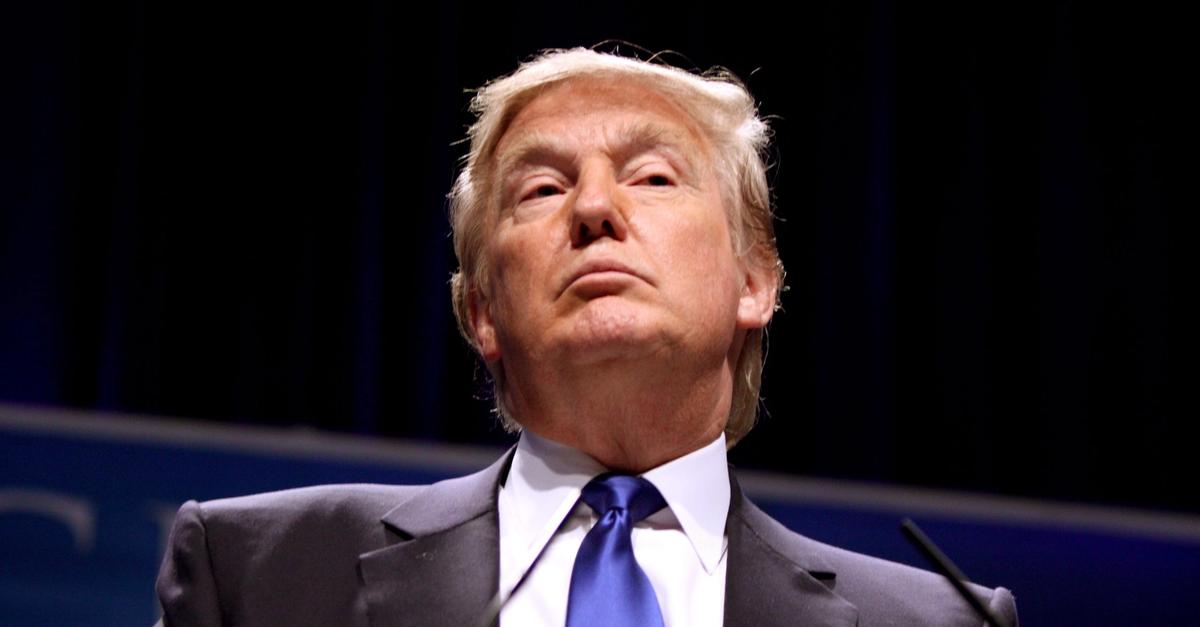
So, here we are again. The Supreme Court justices, those august arbiters of justice, are gathering for their private huddle. And you’d think, with a case as high-profile as Donald Trump’s appeal of that $5 million jury verdict in the E. Jean Carroll defamation case, they’d have something to say. Nope. This petition, fully briefed since January, won’t even get a proper look-in this week.
It’s the same old song and dance. Carroll, remember, sued Trump back in 2022. Her accusation: a 1996 sexual assault in a Manhattan department store dressing room, followed by Trump’s rather colorful denial on social media, calling it a “Hoax.” The jury bought Carroll’s story and slapped Trump with a $5 million penalty. A federal appeals court, bless its cotton socks, backed them up.
Trump, naturally, took it to the Supremes last November. His big play? Argue that Carroll’s lawyers shouldn’t have been allowed to trot out testimony from other accusers or that infamous “Access Hollywood” tape. You know, the one where he bragged about his… shall we say, enthusiastic approach to women’s anatomy. Fair point, maybe, if you’re trying to get a verdict tossed. Carroll’s side, meanwhile, just told the court to deny review, arguing the evidence, even if questionable, wouldn’t have changed the outcome because her case was just that strong.
When did this game of hot potato begin? The court “distributed” the case for consideration on January 28th. Then, one day before the Feb. 20th conference, poof, it was rescheduled. No explanation, of course. That’s how the docket works. Just a little notation, a subtle hint that the justices are… thinking. Or, more likely, punted.
And punted they have. This latest postponement marks the eleventh time the case has been rescheduled. Eleven. It’s starting to feel less like careful deliberation and more like a prolonged game of musical chairs. What’s really going on behind those hallowed chambers? Nobody’s saying. But the smart money is on it being tied to another Carroll defamation case, the one where Trump’s facing an $83 million verdict.
This is where it gets interesting—and frankly, a little absurd.
Is This Just Legal Jiggery-Pokery?
Trump’s team has signaled they want the Supreme Court to review that larger verdict too. And here’s the kicker: he’s trying to get the U.S. government to step in and take his place in that lawsuit. Why? Because he was president when he made the statements that landed him in hot water in the first place. This whole maneuver feels less like a genuine legal defense and more like an elaborate stalling tactic. If the government takes over, it often changes the legal landscape dramatically—potentially shielding him from personal liability or at least adding layers of procedural complexity.
The fact that the court keeps rescheduling the $5 million case, a case that’s already been heard by juries and upheld by lower courts, smells suspiciously like they’re waiting to see how the $83 million case plays out, or perhaps how this government-substitution gambit unfolds. It’s a strategic delay, plain and simple. They’re not deciding; they’re waiting for the other shoe to drop, or perhaps for Trump to engineer a situation where the decision becomes moot or significantly altered.
This isn’t about wrestling with complex legal precedents on evidence admission. This is about whether the highest court in the land is being manipulated by sheer procedural maneuvering and the immense pressure of a presidential figure. The real question isn’t if they’ll consider the verdict, but when and under what circumstances, and whether those circumstances will be of Trump’s own making.
It makes you wonder: Who benefits from this endless deferral? Not the pursuit of justice, that’s for sure. It’s all about buying time, muddying the waters, and potentially escaping accountability through sheer, unadulterated legal wrangling. And that, my friends, is the dirty secret of high-stakes litigation.
Why Is This Delay So Unusual?
Rescheduling a case once or twice might be standard procedure for a court grappling with an overflowing docket or a particularly thorny legal question. But eleven times? That’s not standard. That’s deliberate. It suggests a level of internal disagreement, strategic waiting, or perhaps a desire to see how other related legal battles conclude before committing to a definitive ruling. For a court that usually prided itself on swift justice (or at least, timely process), this is an extended pause that raises eyebrows, especially when one party is a former president.
And let’s be frank, when a case involves a former president, the pressure cooker intensifies. The optics of ruling one way or another can be immense. Perhaps the justices are trying to navigate a minefield of political implications, using the rescheduling as a way to avoid making a premature, potentially explosive decision. Or maybe they’re simply waiting for the dust to settle on other Trump-related legal entanglements.
Whatever the reason, the consistent deferral transforms a legal proceeding into a spectacle of prolonged uncertainty. It’s a proof to the power of procedure, and perhaps, the power of political weight, to delay accountability. It’s a fascinating, if frustrating, case study in how the legal system can be bent, stretched, and stretched again.
The jury’s verdict: $5 million.
The Supreme Court’s decision: TBD. (Again.)
🧬 Related Insights
- Read more: Generative AI and Copyright: Legal Implications of AI-Created Works
- Read more: Border Security Expo: AI’s Invisible Hand and Shifting Policies
Frequently Asked Questions
What exactly is Trump appealing?
Trump is appealing the $5 million jury verdict awarded to E. Jean Carroll in a defamation and sexual abuse case. He argues that the evidence presented, particularly testimony from other accusers and the “Access Hollywood” tape, should not have been allowed.
Why has the Supreme Court rescheduled the case so many times?
The Supreme Court has rescheduled Trump’s appeal an unprecedented 11 times. While the court does not provide explanations for such delays, speculation suggests it may be related to a separate, larger defamation case against Trump involving Carroll, or potentially due to a maneuver to have the U.S. government assume liability in that case.
Will this delay affect the $83 million verdict?
While the $5 million verdict and the $83 million verdict stem from different incidents and legal arguments, the repeated delays in the $5 million case may indicate a strategic waiting game by the Supreme Court. They might be waiting to see how the larger case, and Trump’s attempt to have the government take over liability, plays out before making a decision that could set precedents for other pending litigation.