Look, we’ve been so focused on what AI can do—automate legal research, draft contracts, even mimic human lawyers. But what about what AI enables? What if the most profound impact isn’t about efficiency, but about control? Because that’s where Rainey Reitman’s sharp new book, Transaction Denied, plunges us headfirst. This isn’t just about tech; it’s about power, and who wields it when your ability to earn a living, or even speak your mind, hinges on a digital ledger controlled by a handful of companies.
Think about it. You’re an online educator teaching Persian poetry. Seems harmless, right? Wrong. Suddenly, your PayPal account is frozen. Why? Sanctions. Sanctions meant for rogue states, snagging a poet. Or a city councilwoman can’t get paid because her transaction notes mention a restaurant. A niche erotic storytelling platform loses its payment processor. People fighting for drug legalization find their bank accounts vanishing. These aren’t isolated incidents; they’re data points in a disturbing trend, a quiet digital purge happening right under our noses.
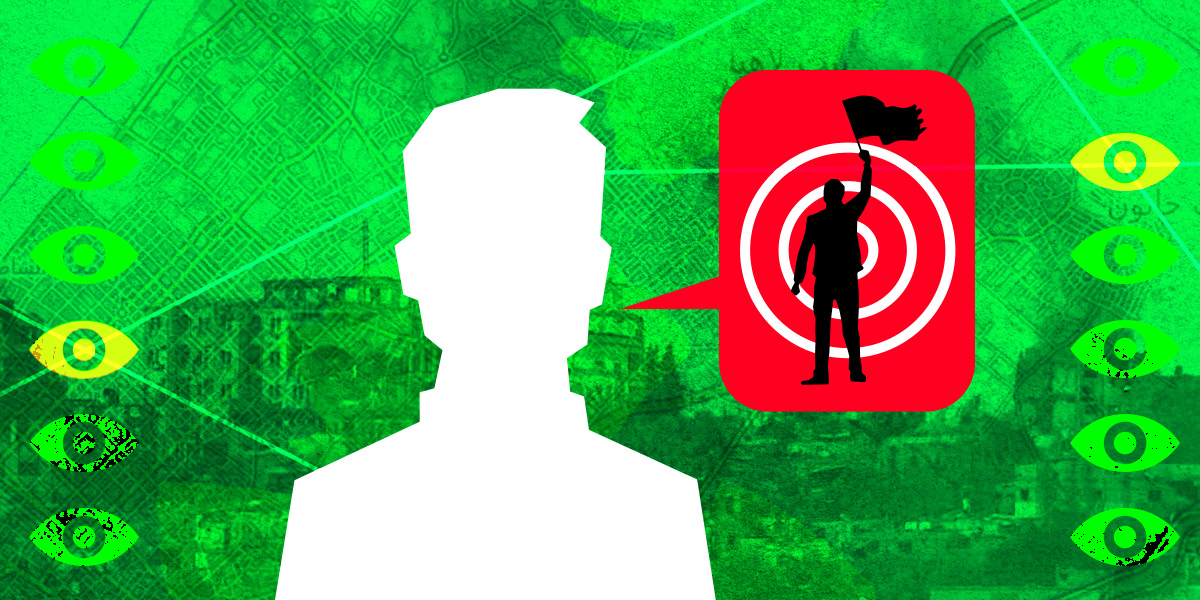
Reitman, who honed her activism chops at the Electronic Frontier Foundation (EFF), isn’t just recounting horror stories. She’s laying bare a fundamental platform shift. Financial intermediaries—the PayPal’s, the Venmo’s, the Stripe’s of the world—are evolving from simple transaction facilitators into de facto arbiters of online speech and association. This is the Big Kahuna of platform power, far more insidious than a social media company flagging a post because it’s a matter of dollars and cents, not just likes and shares.
Is Your Bank Account Becoming a Censor?
This is the question that hangs heavy in the air after reading Transaction Denied. Reitman paints a vivid picture of individuals blindsided, their access to funds—and thus, their ability to function in modern society—severed with little transparency or recourse. It’s like the internet’s plumbing suddenly has a corporate overlord deciding which water flows where, based on their own opaque risk assessments or, worse, external pressure. She shows how broad interpretations of sanctions, or even just vague corporate policies, can disproportionately silence marginalized communities, particularly Muslims caught in the crosshairs of geopolitical anxieties.
But here’s the electrifying part: this isn’t just a lament. Reitman, with her background as a storyteller and an advocate, weaves in threads of hope and a clear roadmap for resistance. She chronicles successful campaigns—restoring accounts for erotic story hubs, fighting for independent authors on platforms like Smashwords. This isn’t about fighting windmills; it’s about understanding the architecture of control and learning how to dismantle it, piece by piece.
Reitman makes her case about the impact of financial institutions and payment intermediaries shutting down accounts and inhibiting transactions through compelling individual stories, some of which have not been shared before.
It’s a crucial distinction. We’re not just talking about free speech in the abstract; we’re talking about economic freedom, the ability to participate in the digital economy without fear of arbitrary censorship. The parallel I keep coming back to is the old gatekeepers of information—the printing presses, the broadcast licenses. Now, the gatekeepers wear suits and process credit card payments.
The Hidden Engines of Control
What struck me most forcefully is how these financial “denials” act as a far more potent form of censorship than outright bans. A deleted tweet can be reposted. A frozen bank account? That’s a death knell for many creators, small businesses, and activists. It’s the financial equivalent of being excommunicated. And the reasons are often laughably arbitrary, or terrifyingly broad. A Muslim councilwoman’s payment gets blocked because her note mentions a Bangladeshi restaurant. This isn’t about detecting fraud; it’s about a system interpreting context in the most risk-averse, and therefore, speech-chilling way possible.
Reitman’s work is a clarion call, a deep dive into the often-invisible machinery that shapes our online lives. It’s a powerful reminder that the platforms we interact with are not neutral conduits; they are active participants with the power to amplify or silence, to enable or deny. And when those conduits are financial, the stakes are astronomically high.
This book is essential reading for anyone who believes in the promise of an open internet, for anyone who fears the quiet creep of corporate power over individual expression. It’s a proof to the fact that advocacy, even against seemingly monolithic systems, can yield results. Reitman doesn’t just diagnose the problem; she offers a prescription.
🧬 Related Insights
- Read more: Section 230: The Unsung Hero of the Open Social Web
- Read more: Elon Musk’s Robotics Regulation Call: Why We Should Be Skeptical
Frequently Asked Questions
What does Rainey Reitman’s book Transaction Denied discuss?
Transaction Denied explores how financial intermediaries like PayPal and Venmo are increasingly acting as censors by blocking or freezing accounts and transactions, often for reasons related to online expression or perceived risk.
Who is most affected by this financial censorship?
The book highlights how authors, journalists, politicians, and activists—particularly those from marginalized communities—can be disproportionately impacted when their access to funds is abruptly cut off.
Can advocacy help combat financial censorship?
Yes, Reitman’s book details successful advocacy campaigns that have helped restore payment accounts and emphasizes that fighting for free speech rights extends to economic participation.