Shopping. Now.
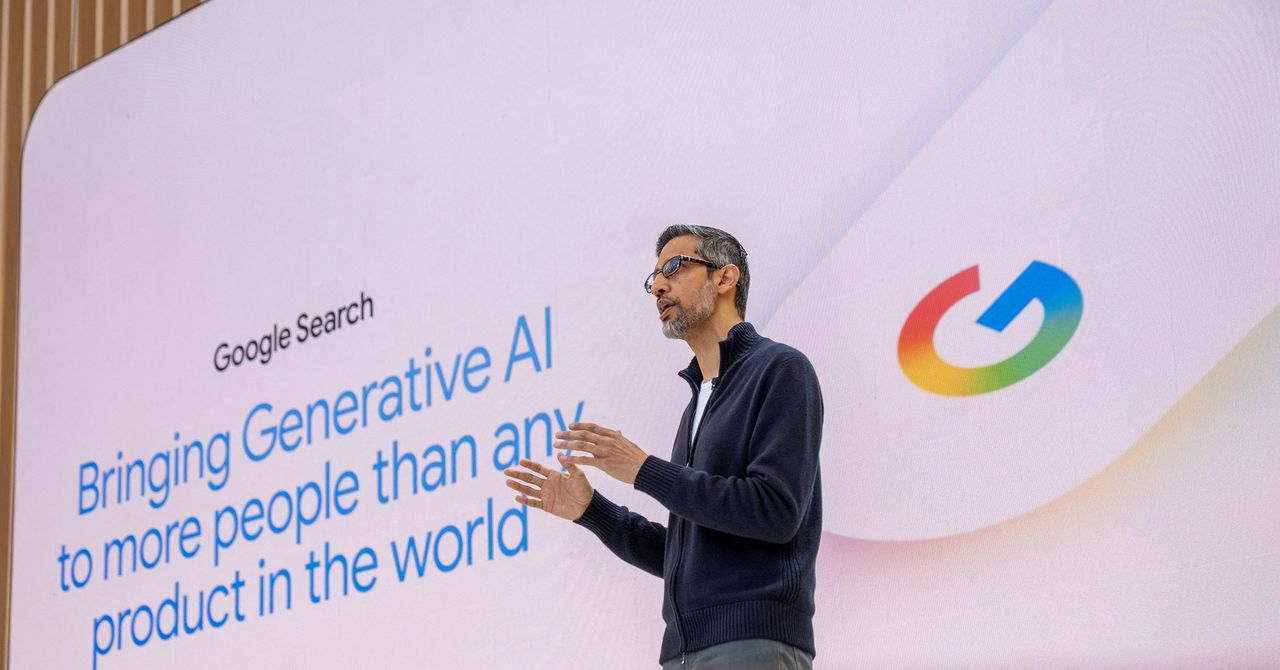
Google wants to own it. All of it. At its recent I/O shindig, the tech titan unveiled Universal Cart, a supposed one-stop shop for… well, everything you’d ever want to buy. It’s an agentic hub, they say. Sounds ominous. And it’s rolling out now, with more features bleeding into Gemini, YouTube, and Gmail soon.
Here’s the grubby truth: this isn’t about making your life easier. It’s about Google planting its flag firmly in the middle of every single transaction. They’re not just recommending products anymore; they’re building the infrastructure for AI agents to buy them. For you. With your money.
Universal Cart lets you dump items from anywhere on Google into one virtual basket. Search results, Gemini chats, YouTube videos, even those soul-crushing Gmail promotions. Once it’s in the cart, Google promises to babysit prices, watch for stock, and even tell you when your desired widget finally drops below your budget. This, they claim, is built on the fact that we all shop across devices and retailers, often over days. Shocking, I know. Who knew people didn’t just buy things instantly in a single click from one perfect store?
And it gets richer. Need to build a PC? Throw all the parts in the cart. Google will supposedly flag compatibility issues. Trying to maximize airline miles? It’ll tap into Google Wallet for “hidden savings.” This is less a shopping cart and more a digital consigliere.
The real kicker, though? Agent Payments Protocol, or AP2. This is where the gloves really come off. Google’s now building the plumbing for AI agents to make payments on your behalf. You set limits, define brands, and poof, the agent buys it. They’re planning to bake this into their own products, giving them an unprecedented view into what you discover, consider, and buy. Every retailer and payment processor will be watching this like a hawk. It’s a direct play for control.
Under the hood, AP2 creates a transparent, verifiable link between the user, the merchant, and the payment processor, with encryption protecting user data throughout.
Sure, they talk about transparency and encryption. And tamper-proof records. Sounds great on paper. But let’s be honest, this is Google. They’ve always been good at making complex systems feel simple, all while collecting more data than a black hole.
This isn’t just about convenience; it’s about Google solidifying its position as the gatekeeper of online commerce. They want to be the intermediary for discovery, decision-making, and — crucially — payment. Retailers who’ve already been squeezed by Amazon’s dominance just got another giant to worry about.
What’s the unique insight here? This is the logical, albeit terrifying, conclusion of Google’s decades-long quest to organize the world’s information. Information about what you search for, what you watch, what you email, and now, what you buy. They’re not just following your shopping journey; they’re trying to lead it. And AP2 means they’ll be holding the reins.
Why Does This Matter for Merchants?
Merchants already grapple with rising customer acquisition costs and the sheer power of platforms. Universal Cart and AP2 offer a potential shortcut to Google’s vast user base. However, it’s a double-edged sword. Direct integration means tapping into a massive audience, but it also means Google has even more use. Will merchants become mere fulfillment centers for Google’s AI-driven commerce empire? It’s a real possibility. The UCP (Universal Commerce Protocol) is touted as open, but history shows that “open” often means “open on Google’s terms.”
Is This Just More Google Hype?
Google is notorious for announcing grand visions that take years to materialize, if they ever do. But with Universal Cart and AP2, the foundational technology is already in place. They have search, YouTube, Gmail, Wallet, and a burgeoning AI assistant ecosystem. The pieces are there. The question isn’t if they’ll build it, but how aggressively they’ll push it and how much control they’ll ultimately wield. This isn’t just a feature; it’s a strategic overhaul of how people shop online.
🧬 Related Insights
- Read more: Musk’s OpenAI Lawsuit Fizzles: The Real Story of Trust & Tech
- Read more: Cognichip’s $60M Gamble: Will AI Finally Crack Chip Design’s Black Box?
Frequently Asked Questions
What does Google Universal Cart actually do? Google Universal Cart is a centralized system that lets users add products from various Google services into one shopping cart. It tracks deals, monitors price drops, and alerts users when items are back in stock, aiming to manage the entire online shopping journey.
Will Google’s AI agents make purchases for me? Yes, with the Agent Payments Protocol (AP2), Google plans to enable AI agents to make secure payments on your behalf within limits you define, such as spending caps and specific brands.
How does this impact online retailers? For retailers, Universal Cart offers a potential new channel to reach Google’s vast user base. However, it also increases Google’s influence over the shopping process and could shift more power away from individual merchants and towards the platform.