Collaboration breeds innovation. But at what cost?
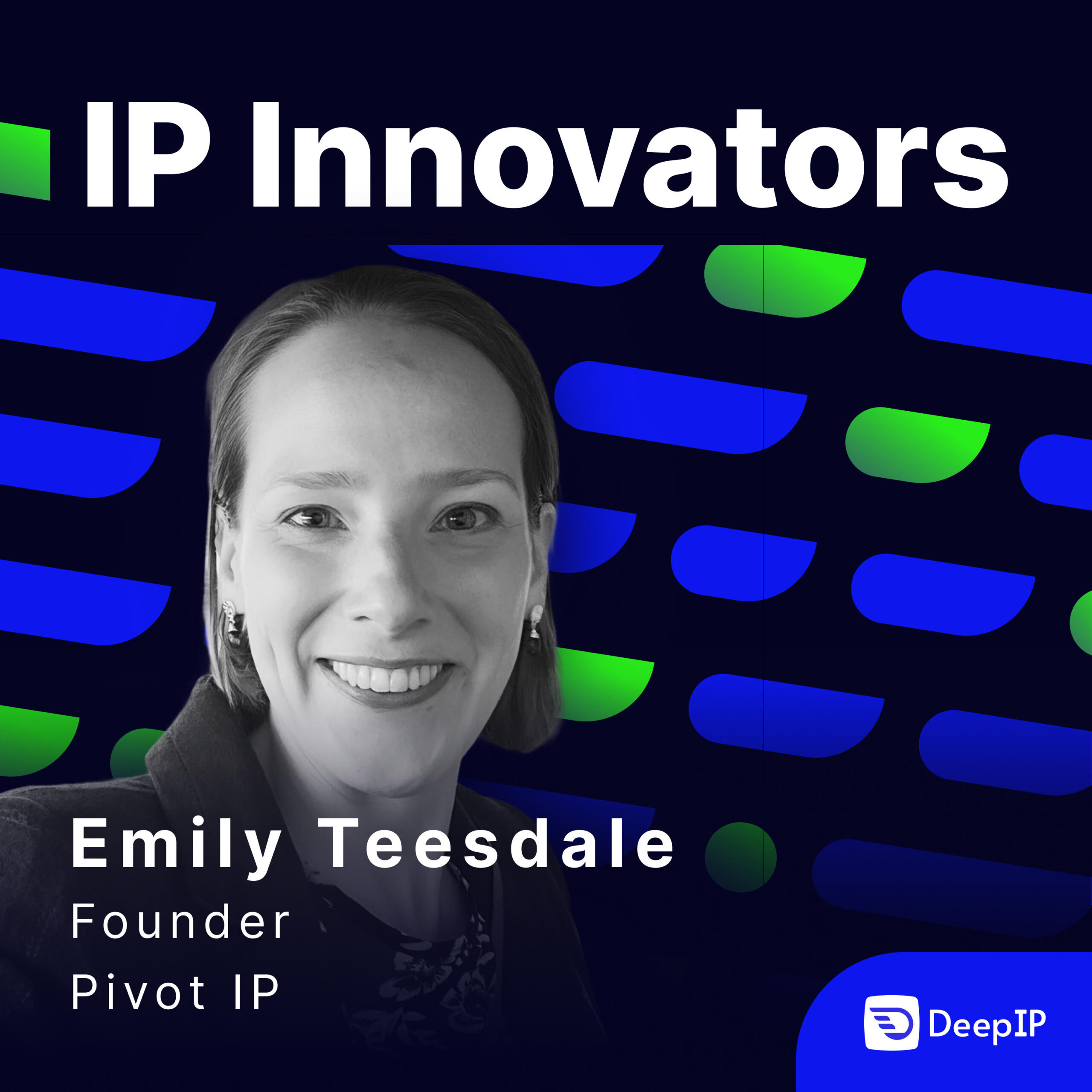
IP strategy gaps loom large. When engineering firms embark on joint development, the laser focus is on the project’s success, naturally. What often gets relegated to a secondary concern, however—a potentially catastrophic oversight—is the fate of confidential information shared throughout that venture once the partnership inevitably dissolves. This is the stark reality articulated by Emily Teesdale, founder of Pivot IP.
The Prosecution-Versus-Strategy Chasm
Teesdale, a seasoned UK Chartered and European Patent Attorney with two decades at aerospace giants like Airbus and GKN, identifies a fundamental disconnect. It’s the difference between the tactical pursuit of patent rights and the overarching strategic architecture that should underpin them. “What I’m not trying to do is to replace the company’s existing patent attorneys helping them out with their inventions and drafting and prosecuting those patent applications,” she clarifies. “What I bring is something quite different to that. That’s the strategy side.” For smaller engineering outfits, this strategic layer isn’t just missing; it’s often an unacknowledged void. Outside counsel dutifully handles the prosecution; legal departments manage contracts. But the vital function connecting IP assets to long-term business objectives—the ‘where do we want to be in ten years, and does our IP portfolio support that?’ conversation—lacks a clear custodian.
The Confidential Information Time Bomb
Collaboration inherently involves information exchange. Teesdale’s critical insight is that this shared data doesn’t simply vanish post-project. It remains embedded within the receiving company’s systems, and the contractual obligations attached to it persist indefinitely.
Picture this: a company developing a novel component partners with a supplier specializing in a niche metallic alloy manufacturing process. During the collaboration, the development company’s engineers absorb crucial insights into the alloy’s production. The project concludes, the product advances, but that proprietary manufacturing knowledge still resides within their systems.
“It’s very important to make sure that you’re not just having it sit there and being used as if it’s your company information. You’ve received that confidential information under some contract, and [you have to make] sure that you effectively toe the line in terms of what that contract allows you to do with that information.”
This isn’t typically malicious intent. “Engineers, when they’ve got access to the information, they want to use it. That’s a wonderful natural trait of engineers,” Teesdale observes. But when that information was provided under restrictive NDAs or collaboration agreements, leveraging it without regard for those terms invites substantial legal jeopardy. Litigation surrounding the misuse of confidential information is on the rise, with increasingly hefty damage awards for plaintiffs. Teesdale’s low-cost, high-use solution? Education. Ensuring those with access to third-party confidential data fully grasp its usage limitations.
Is Future-Proofing Collaboration Agreements Actually Achievable?
Beyond the immediate concern of confidential data, Teesdale’s thesis is that collaboration agreements must be viewed as strategic blueprints, not mere legal formalities. The time to meticulously scrutinize their terms is before the ink dries. “Everyone wants these projects to go well,” she notes. “But you do have to bear in mind that this is a collaboration between two companies that have quite often different business objectives. They are not a single entity, they don’t have the same mission in mind of where they want to go, and sometimes they can conflict.” She offers a further hypothetical: two entities agree to co-own jointly developed IP. Five years later, one party wishes to launch a product heavily reliant on both sets of IP but is stymied by the lack of a license or ongoing cooperation from the former partner. Rewinding the clock, Teesdale asks, would the negotiating party have foreseen their future needs and potential entanglements?
Teesdale’s Practical Playbook
For IP professionals navigating collaborative landscapes, Teesdale proposes a three-pronged approach:
- Elevate internal awareness: Ensure personnel understand the nuances of handling third-party confidential information.
- Strategic alignment in agreements: Embed future commercialization and IP exploitation clauses from the outset.
- Proactive risk assessment: Conduct thorough due diligence on potential partners’ IP practices.
This isn’t about stifling innovation; it’s about ensuring that the intellectual scaffolding supporting that innovation is sound, sustainable, and strategically aligned with long-term business aspirations. The data is clear: companies neglecting these foundational IP strategy elements in collaborative ventures are setting themselves up for significant financial and legal headaches down the road.
🧬 Related Insights
- Read more: 2025 Sees Unprecedented Internet Blackouts in Africa
- Read more: Supreme Court Sharpens Knife on Gun Control’s Who, What, Where
Frequently Asked Questions
What does Pivot IP do? Pivot IP offers strategic intellectual property guidance and advisory services, particularly for engineering and technology companies, focusing on IP strategy and risk management in areas like collaboration and joint development.
Will this affect my company’s existing patent attorneys? No, Teesdale emphasizes that her role complements, rather than replaces, existing patent prosecution services. She focuses on the strategic layer above patent drafting and filing.
What are the biggest risks in joint development agreements? The primary risks highlighted by Teesdale include the misuse of confidential information shared during the project and poorly defined IP ownership and licensing terms that can impede future commercialization.