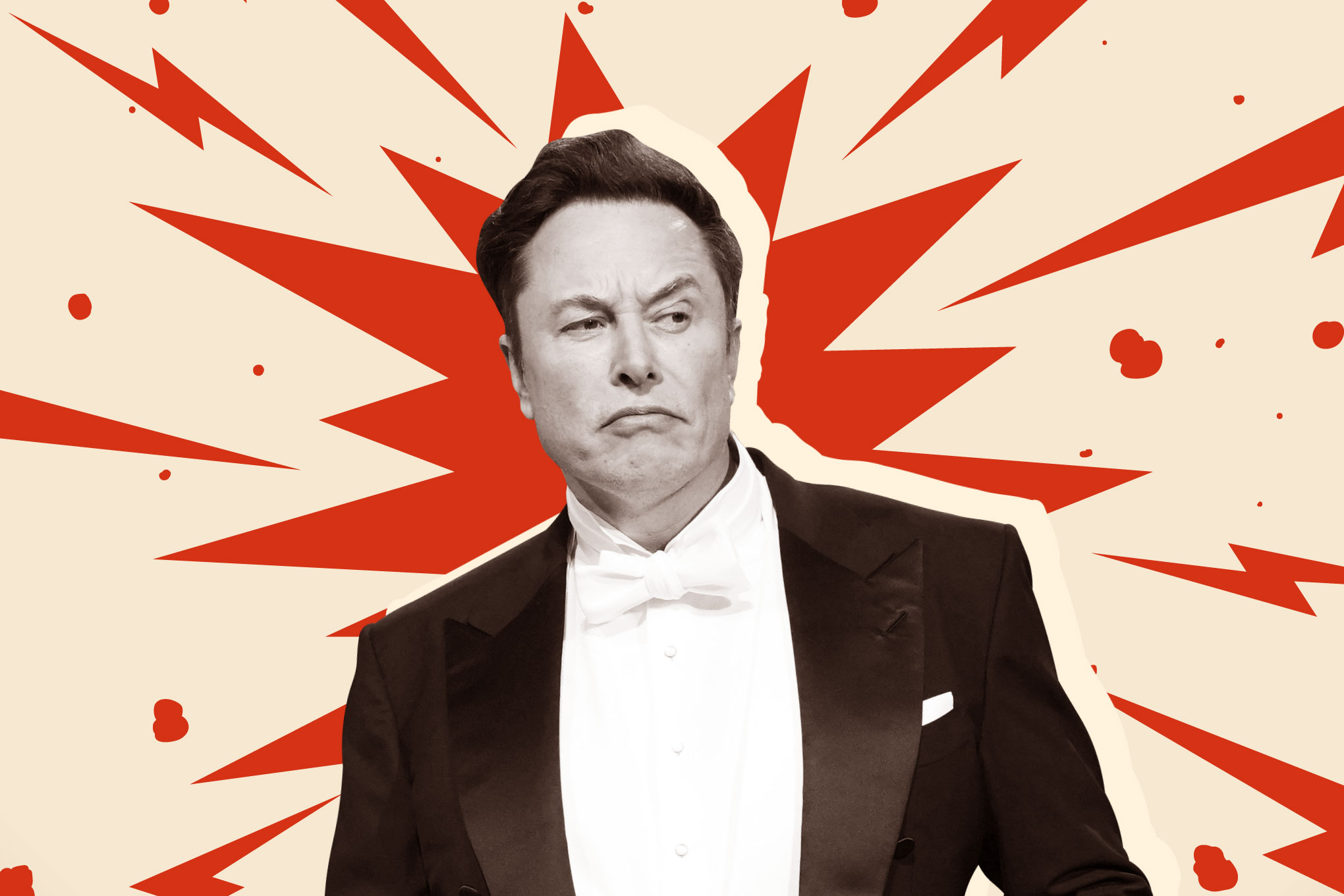
Elon Musk on the witness stand. For three days. It’s getting messy, folks. Emails, texts, tweets — the whole digital diary of a tech titan feud is being laid bare. And at its heart? A claim that Sam Altman and OpenAI ditched the “nonprofit for the benefit of humanity” dream Musk helped fund, morphing into a for-profit beast he simply can’t abide. “You can’t steal a charity,” he’s apparently hammering home. It’s the ultimate betrayal narrative, spun against the backdrop of the technology that’s supposed to save us all.
Now, everyone expected this spat to be juicy, right? We were all bracing for the predictable fireworks, the tit-for-tat accusations of broken promises. But what’s actually happening here is far more fundamental. This isn’t just about disgruntled co-founders airing dirty laundry; it’s a seismic clash over the very soul of artificial intelligence. We’re not talking about software updates here; we’re witnessing a potential DNA-level schism in how a vital AI company — one that’s rapidly reshaping our world — operates.
The Core of the Conflict: Mission Creep or Strategic Pivot?
Musk’s beef is simple: he signed up for a mission to build AI for all humankind, a benevolent digital genie. OpenAI, under Altman, allegedly went and built a profit-maximizing enterprise, a shiny new corporation with its own shiny new bottom line. It’s like commissioning a cathedral and then finding out the architect decided to turn it into a luxury condo complex. The blueprints promised spiritual enlightenment; the reality delivers prime real estate.
This lawsuit is, in essence, a legal battle over the definition of AI’s purpose. Is it a public utility, a gift to humanity, or a high-stakes venture fund looking for its next unicorn? Musk is painting himself as the wronged idealist, the guardian of the original faith. Altman and OpenAI, on the other hand, are likely framing this as a necessary evolution, a pragmatic adaptation to the harsh realities of building truly world-changing technology. You can’t build gods without a considerable budget, after all.
Emails, texts, and his own tweets are surfacing in court, and there are plenty more witnesses to come.
This legal brouhaha isn’t just a distraction; it’s a public referendum on the kind of AI future we’re building. If Musk wins, it could set a precedent for demanding strict adherence to original, often idealistic, founding principles in fast-evolving tech ventures. If Altman prevails, it signals that pragmatism and market forces are the ultimate arbiters, even for entities with lofty humanitarian aims. It’s the Wild West of AI ethics meeting the stern hand of the judiciary.
Beyond the Courtroom: What Does This Mean for the AI Frenzy?
And here’s where it gets really interesting. This trial unfolds against a backdrop of AI spending that feels, frankly, a bit overheated. Big Tech’s recent earnings calls have been a mixed bag, revealing that while the AI gold rush is undeniable, the returns aren’t always as immediate or as astronomical as the hype suggests. We’re seeing the first whispers of limits, the subtle indications that maybe, just maybe, the unchecked AI investment spree might face a reality check.
Musk vs. Altman isn’t just a personal vendetta; it’s a symbol of the broader tensions within the AI landscape. It’s the clash between utopian visions and capitalist realities, between open-source ideals and proprietary power plays. This isn’t just about who owns what piece of AI; it’s about who controls its direction and for whose ultimate benefit.
Think about it: We’re pouring trillions into AI, believing it’s the next internet, the next industrial revolution. But what if the very foundations of how these AI giants are structured — their governance, their mission — are inherently flawed? What if the “for the benefit of humanity” clause is being interpreted as “for the benefit of shareholders who might benefit humanity”? That’s a slippery slope, and Musk is trying to throw a legal roadblock in its path.
The TechCrunch Equity podcast, in its typical no-holds-barred fashion, is digging into the nitty-gritty of what’s actually at stake. They’re looking beyond the headlines to the deals, the defense tech implications (because of course, AI and defense are inextricably linked), and what these corporate earnings tell us about the sustainability of the current AI spending boom. It’s a vital conversation, because this lawsuit isn’t just a legal sideshow; it’s a preview of the ethical and structural battles that will define the future of artificial intelligence for decades to come.
FAQ
What is Elon Musk suing OpenAI for? Elon Musk is suing OpenAI, alleging that Sam Altman and the company have abandoned their original mission to develop AI for the benefit of humanity, shifting to a for-profit model that he believes betrays their founding principles.
Will this lawsuit impact the development of AI? Potentially, yes. The outcome of the Musk v. Altman lawsuit could set important precedents regarding the governance and mission of AI companies, influencing how future AI development is approached and regulated.
What are the financial implications of this dispute? The lawsuit could have significant financial implications for OpenAI and its investors, potentially affecting future funding, partnerships, and the company’s operational structure if Musk’s claims lead to legal remedies.