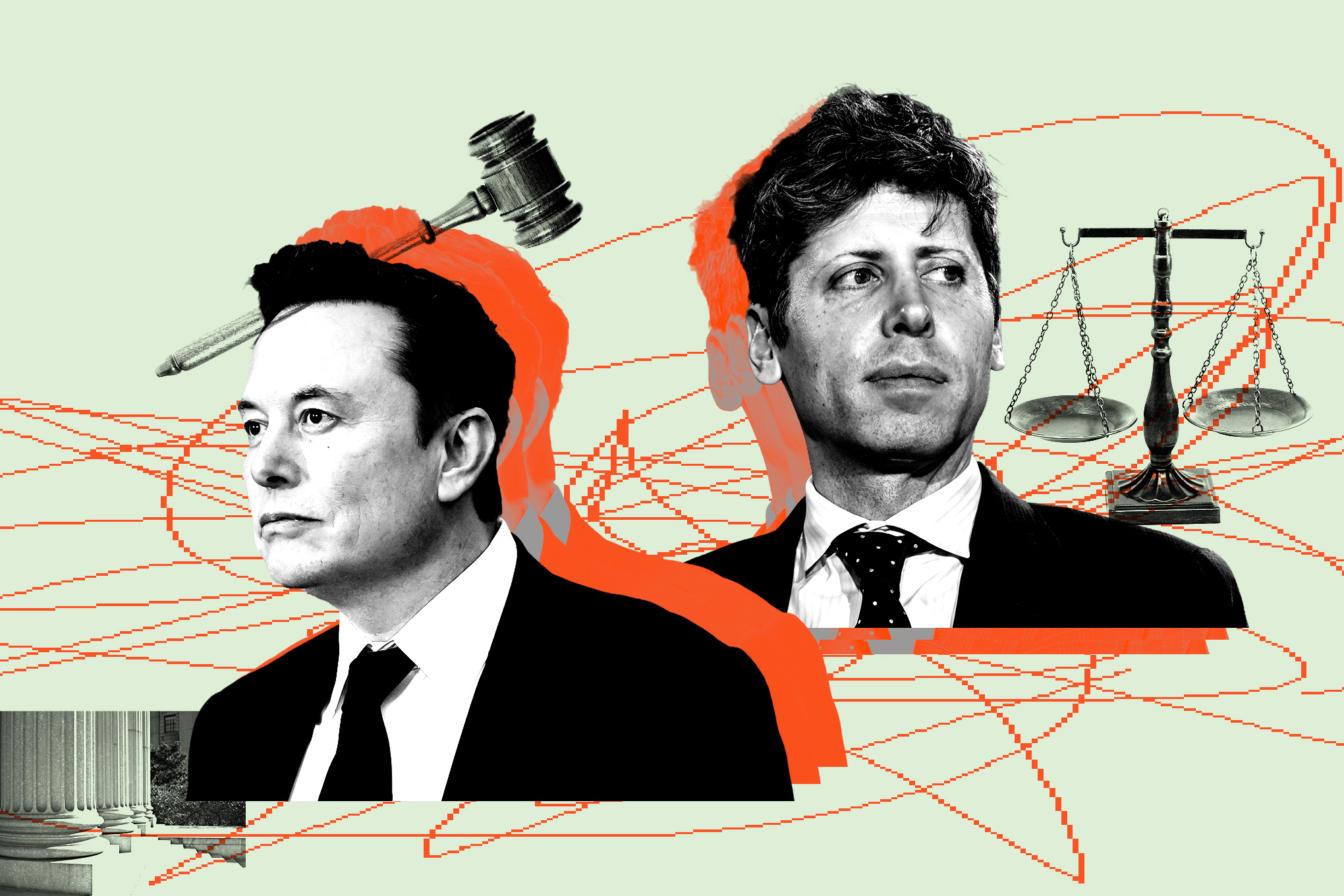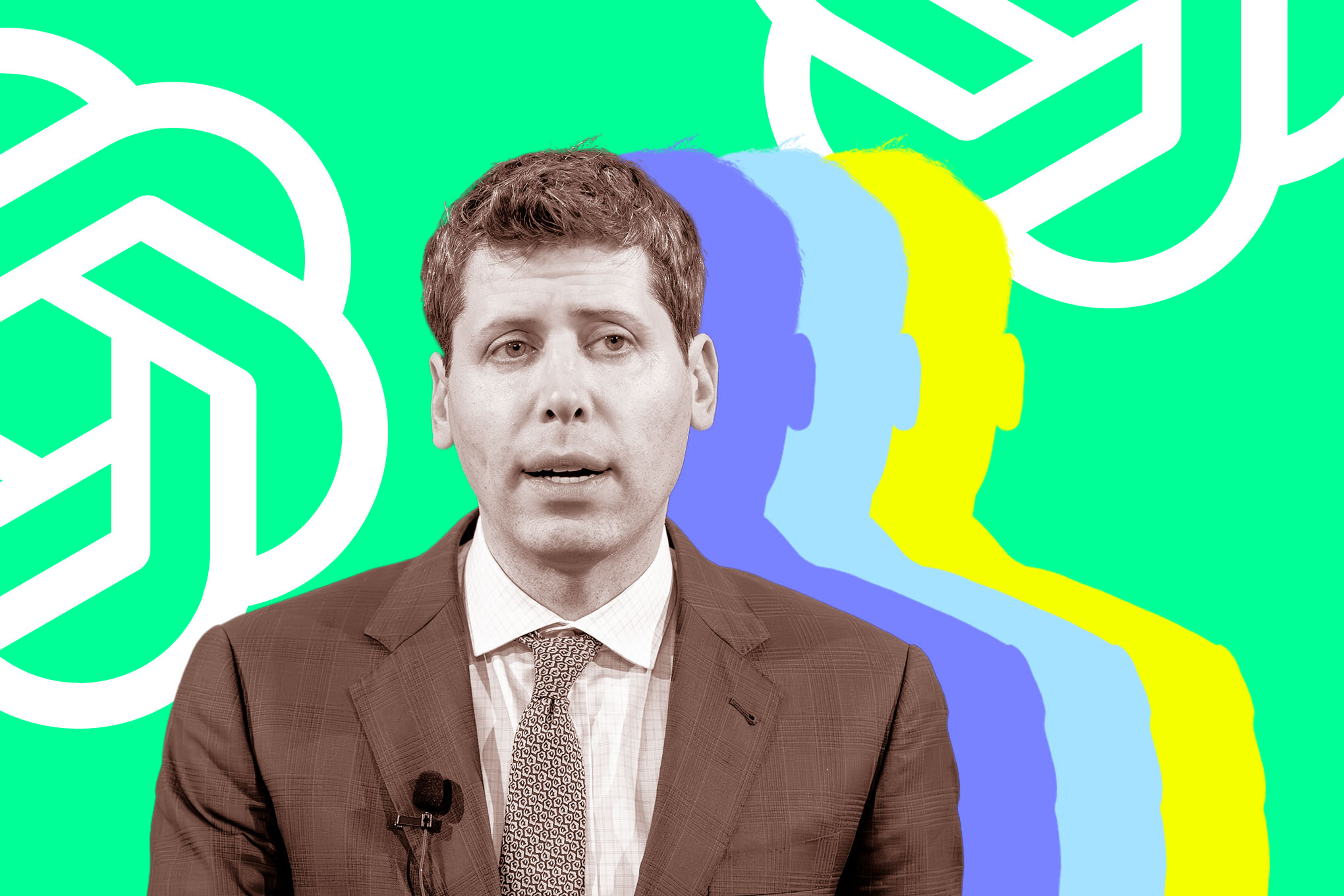
Altman testifies now.
This isn’t just another tech spat. It’s a courtroom battle. Sam Altman, the face of OpenAI, is laying out his case against Elon Musk. He’s the latest in a parade of tech titans to grace the California federal courtroom. We’ve already heard from OpenAI’s president, Microsoft’s CEO. It’s quite the spectacle.
Altman and Greg Brockman. They’re the main defendants. Musk brought this suit. All three were there at the start. Musk even kicked in cash, up to $38 million. But relationships soured. Musk left. He started his own rival, xAI. Now, they’re slinging mud and lawsuits. Most of Musk’s legal attacks? They’ve fizzled out. This one, however, is still alive.
We’ve heard from Brockman, of course. Satya Nadella, Microsoft’s captain, chimed in. Shivon Zilis, a former OpenAI board member and mother to some of Musk’s kids, also testified. And Mira Murati, former OpenAI CTO, now running her own AI outfit. Musk wants the court to yank Altman and Brockman from their posts. He also wants OpenAI’s for-profit shift undone. It’s a bold demand.
But let’s be honest. This trial is about more than just old grudges. It’s a proxy war over AI’s soul. Musk rails against OpenAI’s alleged betrayal of its founding principles. He claims they’ve gone too commercial. Too closed off. Altman, naturally, argues they’re advancing AI for humanity. They need funding. They need structure. It’s the classic startup drama, amplified by billions of dollars and the fate of future intelligence.
What’s missing from the official narrative? The sheer irony. Musk, the champion of disruption, is suing a company he helped birth because it’s… successful. And commercial. He founded Tesla, SpaceX. Both are highly profitable, aggressively commercial ventures. Yet here he is, seemingly aghast that OpenAI might be, you know, making money and operating like a serious business. It’s a head-scratcher. A convenient amnesia. This isn’t about open source ideals; it’s about control and perceived slights.
The stakes are immense. If Musk wins, it could send shockwaves through the AI industry. It could legitimize claims that AI companies owe a debt to their original, often more idealistic, backers. It could complicate future funding rounds. Imagine investors second-guessing every move. The precedent this sets could be… messy. Very messy.
But I wouldn’t hold my breath for Musk’s laundry list of demands to be met. Courts tend to focus on contractual obligations, not founder feuds. And OpenAI’s current structure, while controversial to some, is how it’s managed to attract the capital needed to compete. Without that commercial engine, we might not have ChatGPT. Or DALL-E. Or whatever comes next. It’s a complex dance, and Musk seems to be trying to change the music mid-waltz.
This trial is a fascinating case study. It’s about ambition, betrayal, and the very definition of progress. Altman’s testimony will be crucial. But the real winner might be the narrative itself. And perhaps, the lawyers.
Musk is calling for a number of remedies, including asking the court to strip both Altman and Brockman of their roles and to unwind OpenAI’s for-profit restructuring.
Why Is This Lawsuit Happening Now?
The relationship between Musk and OpenAI fractured years ago. Musk was a co-founder and early investor. He felt OpenAI strayed from its non-profit mission. He left and founded xAI, a direct competitor. The lawsuits have followed, often dismissed, but this one, concerning OpenAI’s initial founding agreement and commercial pivot, has gained traction. It’s a public airing of deeply personal and professional grievances, amplified by the massive hype surrounding AI.
Can Musk Actually Undo OpenAI’s For-Profit Structure?
That’s a steep climb. OpenAI’s restructuring into a capped-profit company was a strategic move, necessary to attract significant investment for ambitious AI development. Courts typically uphold corporate structures that have been legally established and adhered to by all parties involved. While Musk can ask for remedies, convincing a judge to dismantle a functioning, albeit controversial, corporate entity based on what many see as a founder’s dispute is a long shot. It’s more likely this trial will focus on specific alleged breaches rather than a wholesale dismantling.