The air in the room, or at least the digital ether where this USPTO PTAB Listening Session unfolded, crackled with the usual blend of earnest reformist fervor and the low hum of corporate lobbying. You’ve got your panel of patent attorneys, academics, and judges, all nodding along, talking about “consistency” and “transparency” like they’re some kind of holy grail. It’s enough to make a jaded tech journalist — and believe me, I’ve seen enough pivots and rebrands to qualify for sainthood — reach for the nearest decaf.
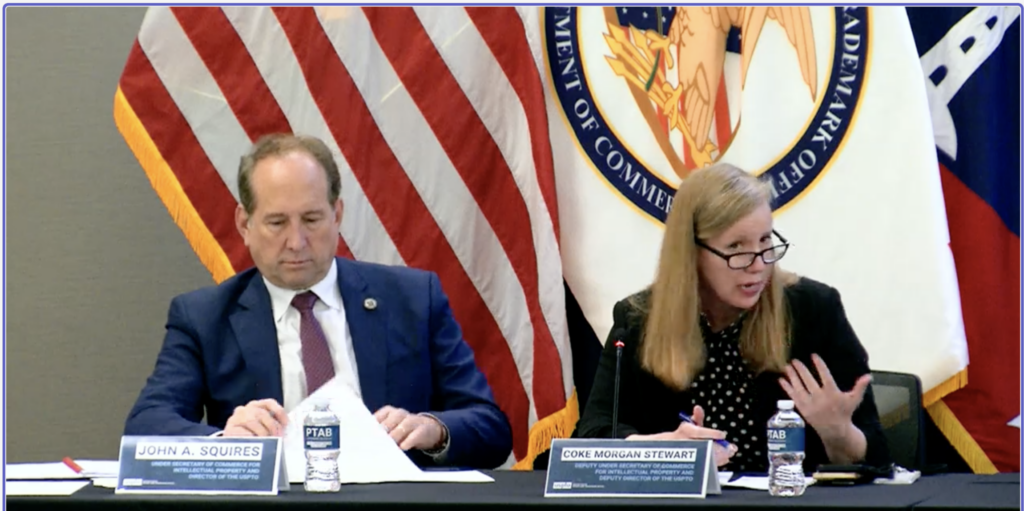
Director Squires and Deputy Director Stewart are out there, asking the tough questions, or at least what passes for tough questions these days. They’re probing into standards, like the whole ‘preponderance of the evidence’ versus ‘clear and convincing evidence’ kerfuffle. It’s a classic legal tug-of-war: one side wants it easier to knock down patents, the other wants a higher bar. And the USPTO’s trying to thread that needle.
What’s really going on here? It’s a dance. The petitioners — the folks looking to invalidate patents, often big tech companies tired of getting sued — want a clear, predictable path to victory. The patent owners want stability, the ability to defend their turf without endless procedural whack-a-mole. It’s all very polite, very reasoned, wrapped in the language of “business impact” and “justification and planning.”
But let’s cut through the polite jargon. What does “consistency and transparency” actually mean when you peel back the layers? For businesses, it means predictability. It means you can budget. It means you know, with some level of certainty, whether your R&D investment is going to get wiped out by a late-stage challenge. HP’s Chief IP Counsel, Ceyda Maisami, hit the nail on the head: “What serves the business is having that stable, consistent, transparent path that we are able to justify and plan for.” That’s the money talk, right there.
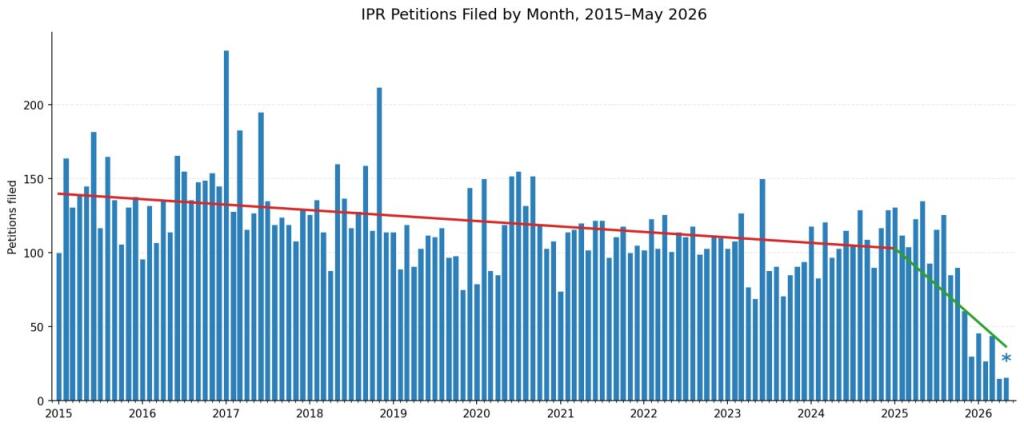
Then you’ve got the issue of serial challenges. You know, where the same patent gets kicked around like a hacky sack at a hackathon. “Nearly half of all petitions still involve repeat challenges,” we’re told. And a whopping 16% are third or later petitions. A former judge, Paul Michel, even recalled a patent being challenged seven times. Seven! It’s like Groundhog Day for patent attorneys, and you know who’s footing the bill for all that extra time? The companies involved, naturally.
The Expert Reliance Problem
And here’s where things get interesting, especially when you hear old-school judges like Paul Michel lamenting. He tossed out a line that, frankly, is the real story: “It looks to me like, over the years, there’s been a creeping reliance…on experts to substitute for something really findable on the face of the prior art.”
Translation: Too many legal battles are being won or lost based on hired guns with fancy slides, rather than just plain old solid evidence that should have been obvious from the get-go. This isn’t just about the PTAB; it’s a symptom of a legal system that can get bogged down in complexity, where the ‘truth’ becomes whatever the best-paid expert can convince you it is. And guess who’s paying those experts? Yep, the same businesses wrestling with patents.
What’s the unique insight here? It’s the historical echo. The PTAB was supposed to be a faster, cheaper alternative to district court litigation. It was born out of a desire to streamline the patent system, to cut through the Gordian knot of endless lawsuits. But what we’re seeing is the system slowly, almost inevitably, developing its own layers of complexity and expense. It’s like trying to drain a swamp only to realize you’ve created a new, albeit slightly smaller, swamp. The reliance on experts Michel decries is a classic sign of this bloat – a problem that plagued traditional litigation and now seems to be creeping into its supposed alternative.
And the push for Director discretion? It’s a double-edged sword. Sure, it can weed out frivolous cases. But it also introduces another layer of uncertainty, another point where subjective decisions can sway outcomes. It’s a power, yes, but a power that needs to be wielded with… dare I say it… consistency and transparency. The irony isn’t lost on me.
Look, everyone wants a smoother ride. Nobody enjoys spending a fortune fighting over patents. But as these “listening sessions” churn out more calls for guidelines and memos, I keep asking myself: who is actually making money off this current system, and who stands to gain the most from the proposed changes? The lawyers, the expert witnesses, the consultants helping companies navigate the bureaucracy? Or the innovators who just want to build things?
The Memos vs. The Law
Judge Michel’s point about the USPTO leaning on memos rather than codifying rules is a classic bureaucratic tell. When an agency starts issuing guidance via memos, it often means they’re reacting, improvising, and, frankly, creating more ambiguity. It’s easier to write a memo than to enact solid rules that stand up to scrutiny. This isn’t just about paperwork; it’s about the fundamental legal framework. If the PTAB’s operations are being shaped more by informal directives than by clear, codified regulations, it only adds to the very uncertainty that panelists claim to want to eliminate.
So, while the official line is all about improving the IP system for everyone, remember who’s really in the arena: the companies with deep pockets. They’re the ones who can afford the armies of lawyers and experts. And they’re the ones who will most likely benefit from any reforms that simplify their path to invalidating patents or defending them. The rest of us get to read about it and wonder if all this talk will actually lead to anything more than another round of legal fees.
Is this just the legal system adapting, or is it succumbing to the very inefficiencies it was meant to escape? We’ll see. Or maybe we won’t, and that’s part of the problem.
Is the PTAB Actually Faster Than District Courts Now?
Historically, the Patent Trial and Appeal Board (PTAB) was established to offer a faster and more cost-effective alternative to traditional district court litigation for challenging patent validity. While it generally remains quicker, the increasing complexity of challenges, the rise of serial filings, and the procedural nuances discussed at these listening sessions suggest that the efficiency gains are not as pronounced as they once were. The goal remains speed, but the reality is a system that, like any, can be gamed and thereby slowed down.
Why Do Businesses Want PTAB Reform?
Businesses, particularly those operating in fast-moving technology sectors, seek PTAB reform primarily for predictability, consistency, and stability. Patent disputes are costly and time-consuming. A reformed PTAB that offers a more transparent and reliable process allows companies to better plan their R&D investments, manage their legal budgets, and avoid the crippling uncertainty associated with frequent, serial, or unpredictable patent challenges. This stability is seen as essential for fostering innovation and ensuring fair competition.
🧬 Related Insights
- Read more: Opus 2 Touts AI Integration: But Who’s Buying?
- Read more: Justices Face Senate Scrutiny: Budget, Security, and the 5th Circuit’s Shadow
Frequently Asked Questions
What is the PTAB? The Patent Trial and Appeal Board (PTAB) is an administrative tribunal within the U.S. Patent and Trademark Office (USPTO). It hears challenges to the validity of issued patents through proceedings like Inter Partes Review (IPR) and Post Grant Review (PGR). It was created to provide a more efficient and cost-effective alternative to district court litigation for patent disputes.
What are the main criticisms of the PTAB? Panelists at the USPTO’s listening session highlighted concerns about a “creeping reliance on experts,” a lack of consistency and transparency in decision-making, and the continued prevalence of serial and multiple challenges to the same patents. There’s also a debate about the appropriate legal standards for patentability and the extent of Director discretion in instituting reviews.
Will PTAB reform make it harder to get patents? The stated goal of PTAB reform, as discussed by panelists, is not necessarily to make it harder to get patents, but rather to ensure the validity of issued patents is rigorously and consistently reviewed. The emphasis is on striking a balance that benefits the U.S. IP system by providing clarity and stability, which could indirectly affect the landscape of patent enforcement and challenge.