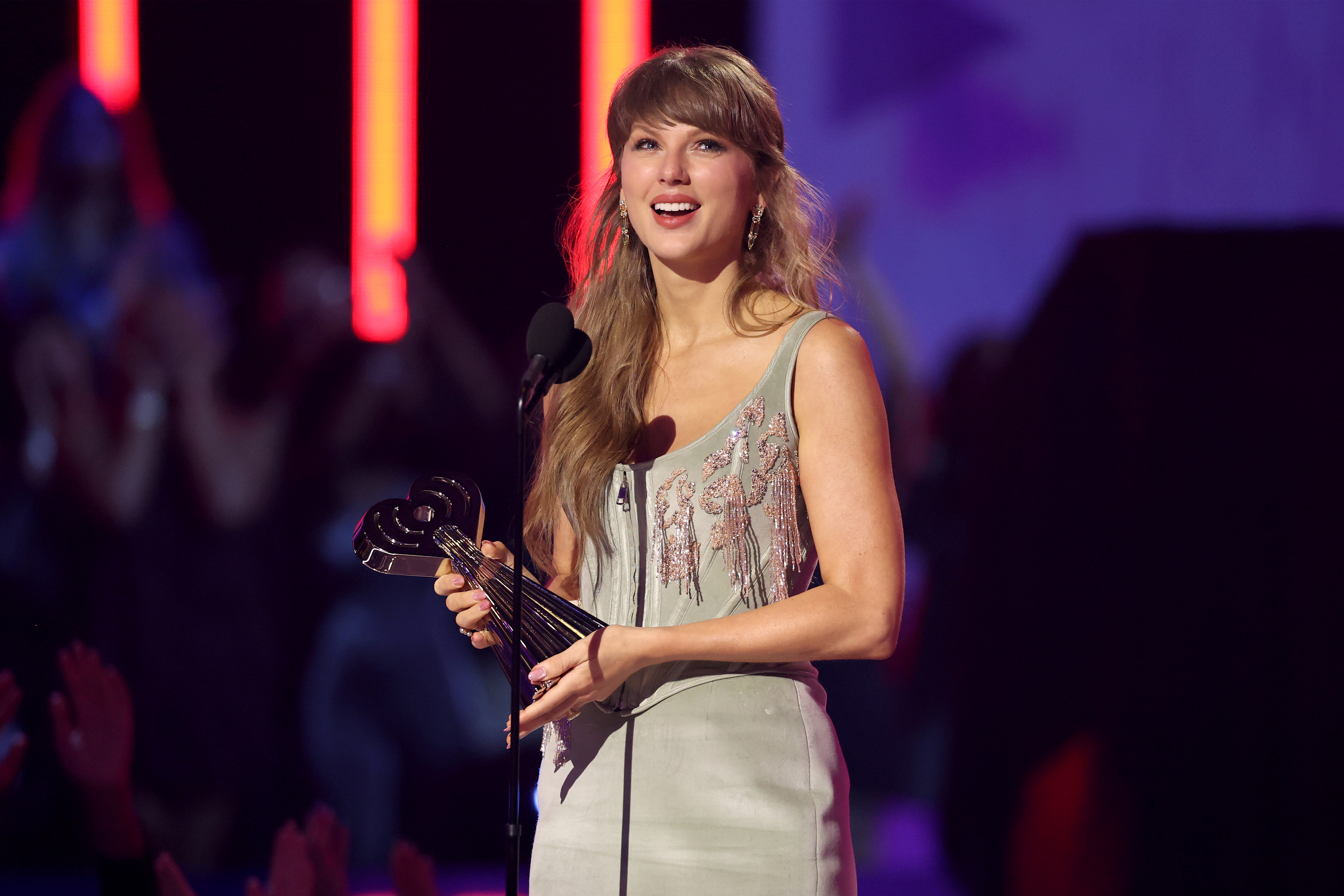
Everyone expected AI to be a legal minefield. But celebrity voices? That’s a newer, messier battlefield. Taylor Swift, bless her glittery heart, is now the latest high-profile figure aiming her legal artillery at AI imitators. She’s not just swatting at flies; she’s eyeing the whole damn swarm.
What was the grand plan before? Copyright, mostly. Artists could protect their songs, sure. But their voices? Their unique sound? That’s been a gaping hole. And boy, has AI exploited it.
Swift’s team has filed trademark applications for two specific phrases: ‘Hey, it’s Taylor Swift’ and ‘Hey, it’s Taylor.’ They even submitted audio clips. The goal? To shut down AI fakes. It’s a no-brainer, really. After the nightmare of sexualized deepfakes and AI music ripoffs, this is Swift playing defense. Big time.
Think about it: copyright only guards the notes. Not the singer. So, clever legal minds have had to improvise. Universal Music Group, for instance, went after a Drake AI track. Their angle? A producer tag. Petty? Maybe. Effective? That’s the million-dollar question.
Is This a Trademark Slam Dunk?
IP attorney Josh Gerben chimes in, suggesting trademarks could bridge this voice-shaped gap. It’s not just about stopping exact copies. It’s about catching anything ‘confusingly similar.’ Like an AI image that looks almost like Swift. Matthew McConaughey already snagged trademarks for his vocal clips. His famous ‘Alright, alright, alright’ is now officially protected. Imagine that.
But don’t pop the champagne just yet. Professor Alexandra Roberts, sharp as ever, is decidedly unconvinced. She’s calling it a ‘long shot.’ Her point? The USPTO usually wants to see a soundmark that stands alone. Think the NBC chimes. Not a phrase embedded in a longer marketing spiel. Swift’s team might get a chance to submit better ‘specimens’ if the initial applications get shot down. Fingers crossed.
“If the USPTO [US Patent and Trademark Office] does issue preliminary refusals, Taylor’s team will have a chance to provide different specimens that might do a better job satisfying the use requirement.”
This isn’t necessarily about winning in court. Law professor Xiyin Tang points out the ‘warning off’ effect. A federal registration number can spook less sophisticated infringers. ‘Just stop,’ it implicitly says. ‘We’ve got the paperwork.’ Whether it holds up under fire is another story.
Swift’s already got other tools. Right of publicity laws in various states. Federal laws against false advertising and endorsements. And, of course, her existing trademarks for her name. If someone uses ‘Taylor Swift’ carelessly, that’s a lawsuit waiting to happen.
But AI is a different beast. Tennessee, bless its heart, is one of the few states with a specific law targeting AI voice copycats. YouTube’s own deepfake tool? It only covers faces right now. The tech outpaces the law. As usual.
The Wild West of AI Voice Mimicry
This move by Swift is more than just PR. It’s a desperate reach into an ever-expanding legal void. It’s akin to trying to lasso a runaway train with a piece of string. The technology is evolving faster than our ability to regulate it. What this signals is that celebrities and artists are going to get increasingly creative—and potentially desperate—in their attempts to protect their digital selves. We might see more artists applying for soundmarks, even if they’re legally dubious. It’s a signal flare to the industry: we’re coming for the AI copycats. Even if the legal tools are still being forged in the fires of innovation.
This isn’t just about Taylor Swift’s voice. It’s about every artist whose unique vocal identity is suddenly up for grabs. It’s a preview of the legal skirmishes to come. And frankly, it’s going to be a wild ride.
What does this mean for the rest of us?
It means the definition of ‘likeness’ is expanding. It means intellectual property law is scrambling to catch up. And it means that the legal battles over AI are just getting started. Swift’s move is less a definitive win and more a strategic skirmish. A very public one.
🧬 Related Insights
- Read more: What is AI Governance?
- Read more: Bakugan Makers Sue Over Transformable Toys [Patent Fight]