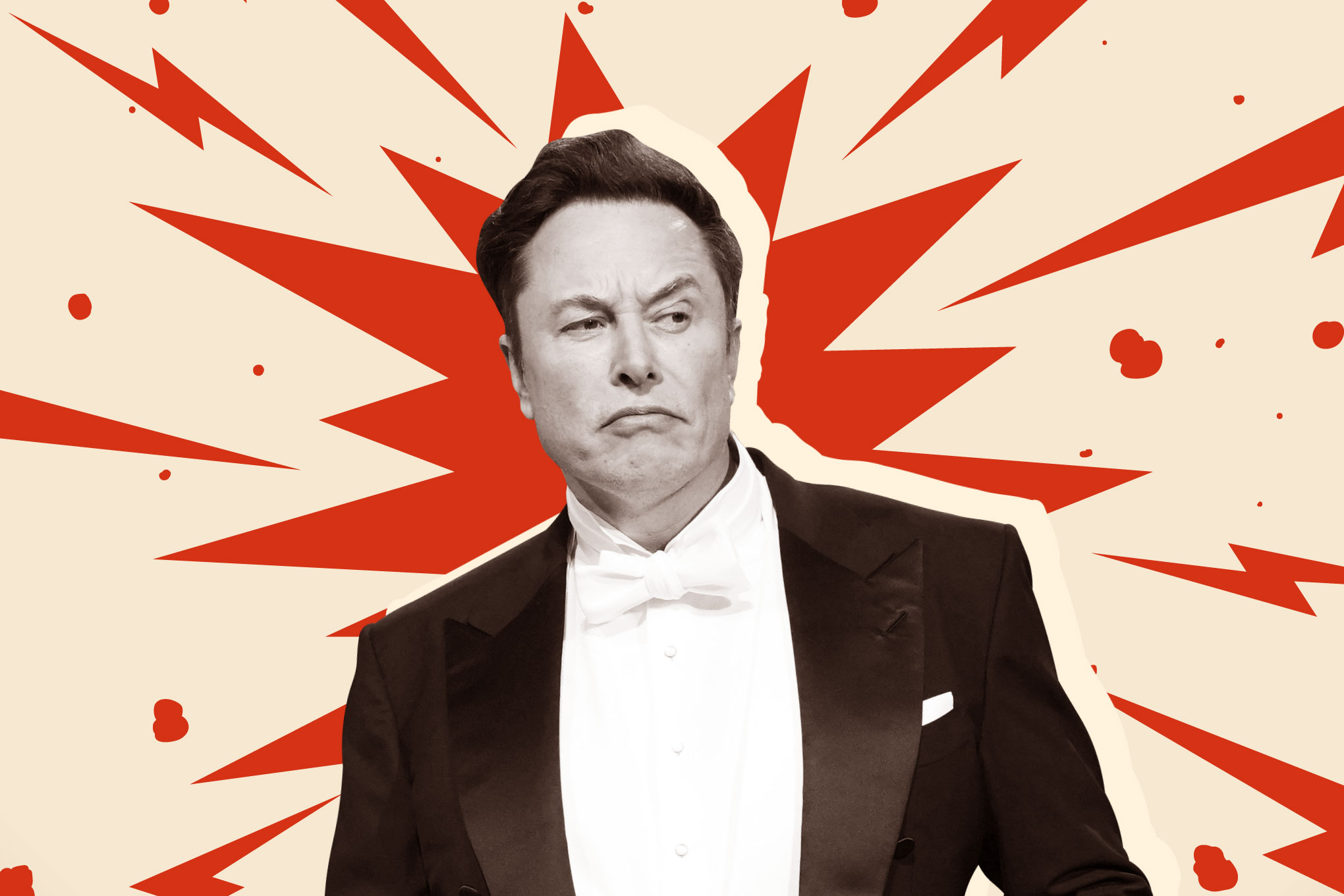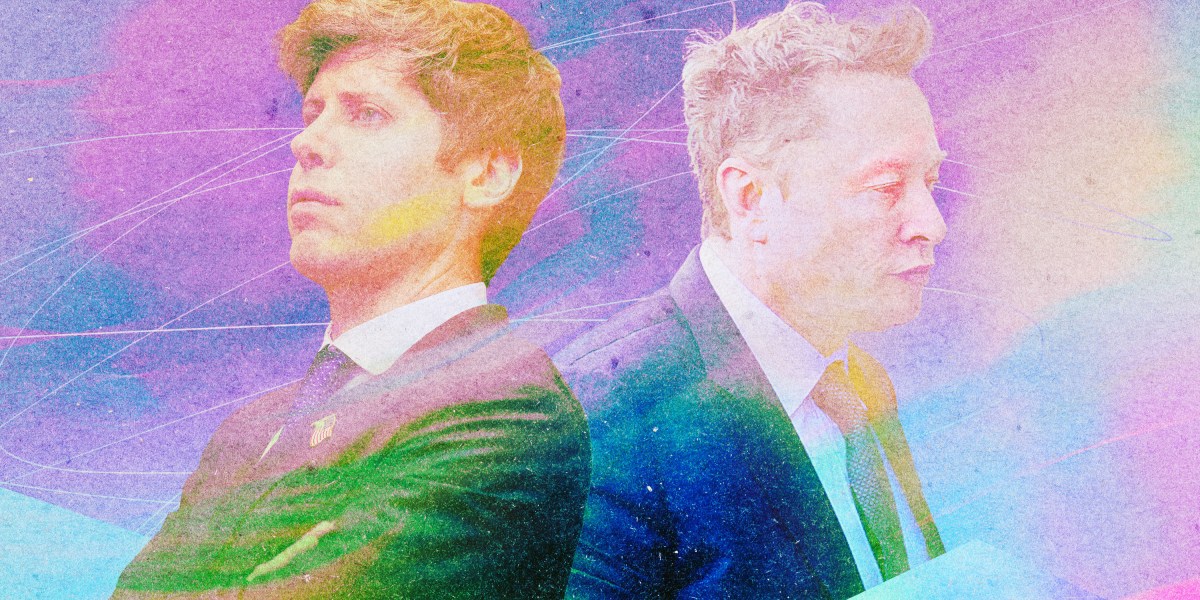
The courtroom buzz is deafening, but it’s not about the latest product launch. This week, the legal battle between Elon Musk and OpenAI CEO Sam Altman isn’t just about who gets to call the shots; it’s a stark interrogation of OpenAI’s entire identity. As the company eyes its IPO, this trial could decide if it even gets to exist as the for-profit entity it’s become. Musk, an OpenAI founding father, claims he was sold a bill of goods, and he’s not asking for a refund—he wants $134 billion, Altman’s head, and a return to its non-profit roots. Talk about a messy divorce.
The missing step between hype and profit
This whole AI circus feels an awful lot like that classic South Park bit with the underpants gnomes. You know the one: Phase 1: Collect underpants. Phase 2: ???. Phase 3: Profit. It’s a pitch deck that perfectly encapsulates the current state of artificial intelligence. We’ve got the tech built, sure. We’ve got the breathless pronouncements of societal transformation. But the actual, you know, how we get to profit? Still a giant, gaping question mark.
Is this the new dot-com bubble, Part Deux?
Having watched Silicon Valley for two decades, I’ve seen this movie before. Companies pour billions into some shiny new technology, fueled by venture capital and a frantic fear of missing out. They promise to disrupt everything. But often, the infrastructure for actual monetization lags woefully behind. We’re seeing it again with AI. The models are impressive, the demos are slick, but the business plans? They often feel like they’re still stuck in the “collect underpants” phase.
And don’t even get me started on the buzzwords. Every other press release talks about “leveraging synergies” and “unlocking value,” usually for a product that does little more than automate a task a human has been doing perfectly well for years. Who’s actually making money here? Right now, it looks a lot like the VCs and the early investors who can cash out before the music stops.
Weaponized deepfakes are here.
Meanwhile, the darker side of this AI explosion is already here. For years, we’ve heard the dire warnings about deepfakes, and guess what? They’re not just theoretical anymore. Cheap, readily available AI models are churning out disturbingly realistic fake images and videos. We’re talking sexually explicit content, political propaganda designed to incite violence, and a general erosion of trust that’s disproportionately harming women and marginalized communities. It’s a digital Wild West, and the sheriffs are nowhere to be found.
Experts are genuinely alarmed. They see this not just as a nuisance, but as a fundamental threat to critical thinking. When you can’t trust what you see or hear, how do you make informed decisions? How do you even function in society?
OpenAI’s Shifting Alliances and a Missing Partnership
In a move that’s raised eyebrows across the industry, OpenAI has reportedly ended its exclusive partnership with Microsoft. This means they can now cozy up to rivals like Amazon. While Microsoft will still get to license OpenAI’s tech, the exclusivity is gone. This comes at a time when OpenAI is reportedly missing key growth targets ahead of its much-anticipated IPO. It’s a bit like a star athlete suddenly ditching their main sponsor right before the big game.
Google’s Pentagon Deal Raises Eyebrows
Not to be outdone, Google has inked a classified AI deal with the Pentagon. The agreement allows for AI use in “any lawful government purpose.” This, unsurprisingly, has sparked dissent from within Google, with over 600 employees reportedly calling for a block on the deal. It highlights the tricky tightrope AI companies walk between technological advancement and ethical considerations, especially when national security is involved.
Why the EU is Telling Google to Open Up
Over in Europe, regulators are cracking down. The EU has told Google to open up its Android platform to AI rivals, aiming to curb Gemini’s built-in advantage. Google, predictably, calls it an “unwarranted intervention.” A final decision is expected by the end of July, and it could have significant implications for how AI is integrated into mobile devices.
Other News You Can Use (or Worry About):
- AI-First Smartphones? TechCrunch reports OpenAI is working on an AI-first smartphone designed to replace apps with agents.
- Brain Implants for Depression: A brain implant for depression is moving into human testing after FDA approval. BCIs have historically struggled to gain market traction.
- Rural AI Backlash: A populist backlash against AI is gaining momentum in rural America, with voters pushing back against the technology.
- Cheaper AI Models: DeepSeek has priced its new model a staggering 97% below OpenAI’s GPT-5.5, aiming to lure enterprise clients.
- AI and the Web: A study found that AI now generates a third of new websites, making the web seemingly more cheerful and less verbose.
- Talent Drain: Top talent is reportedly leaving Big Tech giants like Meta, Google, and OpenAI to launch their own AI startups.
- Celebrity IP: Taylor Swift is trademarking her voice and image, joining a growing list of celebrities fighting AI-generated content with intellectual property protections.
“The reality is people don’t like him.”
-- Judge Yvonne Gonzalez Rogers on prospective jurors’ views of Elon Musk.
The Musk-Altman trial isn’t just about a bruised ego or a soured partnership; it’s a litmus test for the very structure of AI development. It forces us to confront whether the promised utopia can coexist with the messy realities of profit motives and control. And frankly, after years of chasing the next big thing, it’s a conversation long overdue. The underpants gnomes are still fumbling for Phase 2.