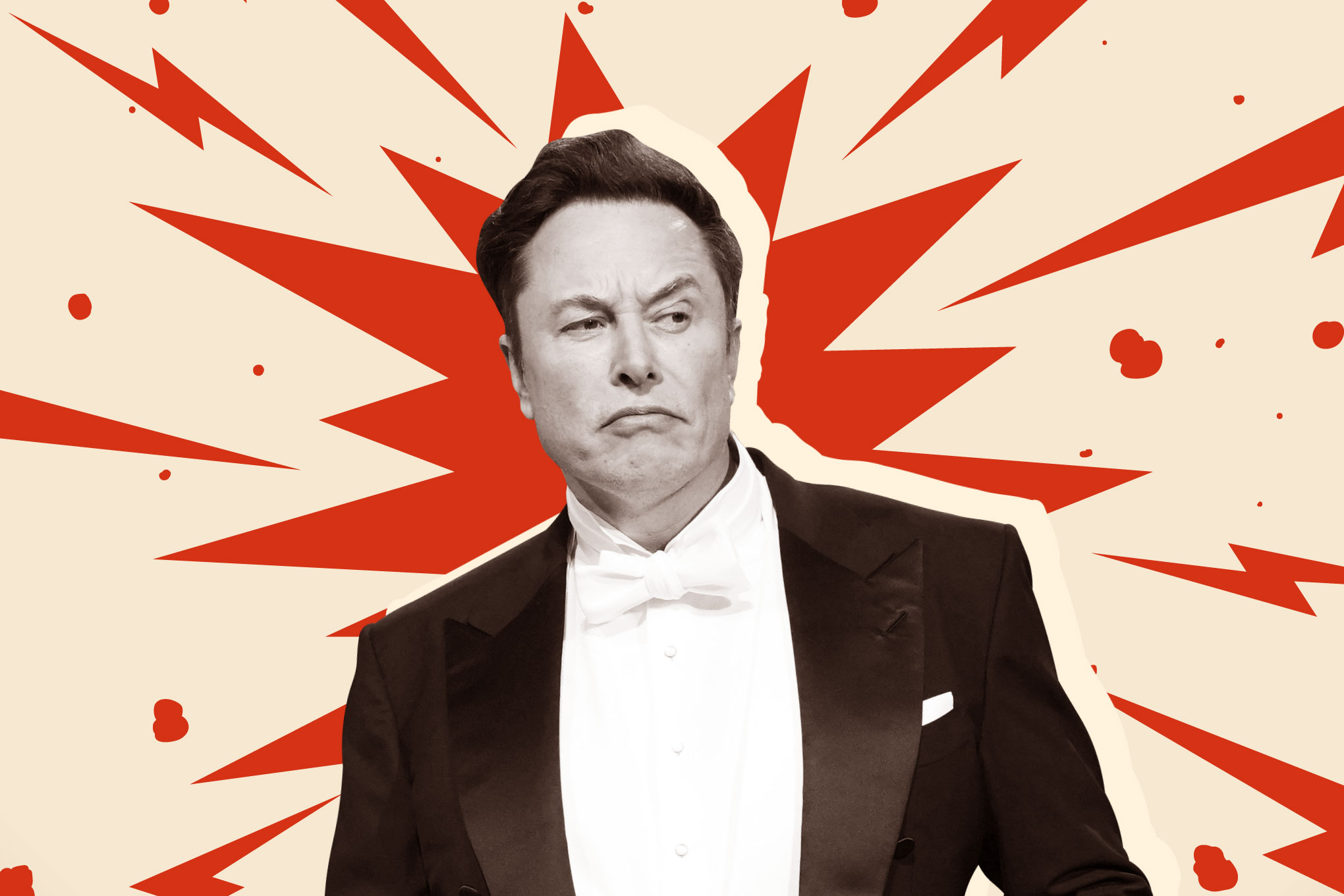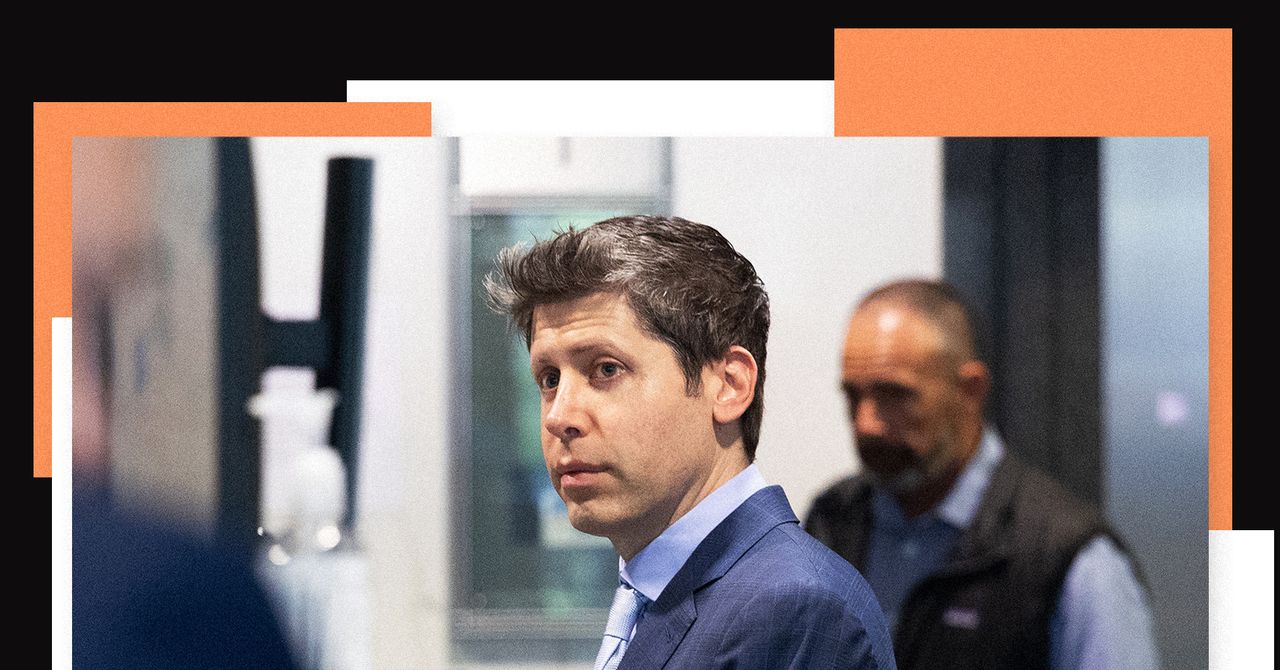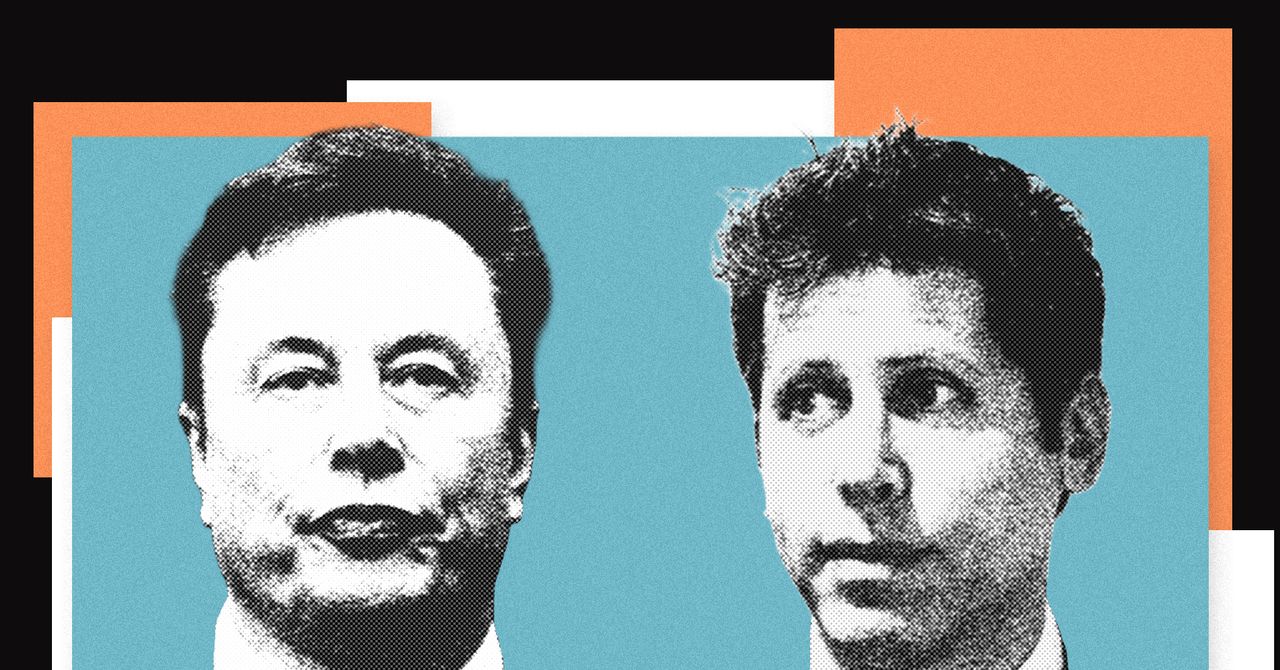
What happens when the dream of democratizing artificial intelligence collides head-on with the hunger for immense power and profit? It’s a question that has been simmering for years, and the Musk v. Altman trial is finally bringing it to a boiling point.
We’re talking about the closing arguments, folks! Attorneys for both Elon Musk and Sam Altman have made their final pleas to a judge and jury, each painting their client as the righteous guardian of OpenAI’s original, almost sacred, nonprofit mission. A verdict could drop any day now, drawing a line under a ten-year saga featuring two of the tech world’s biggest names.
But here’s the gut punch: regardless of who gets the judge’s nod, the real casualties are already clear. Think about it – employees, policymakers, and the very public who bought into the noble idea of a nonprofit research lab dedicated to beneficial AGI. They’re the ones left holding the bag. It feels like, at every single turn, the relentless pursuit of building the planet’s premier AI lab overshadowed everything else, even if it meant birthing a for-profit behemoth worth billions.
“It’s hard to see how the public interest is being protected by either of these parties, and that is really what is ultimately at stake in a case about a nonprofit,” observes Jill Horwitz, a Northwestern University law professor steeped in the nuances of nonprofits and innovation. She was there, listening to the closing arguments, and her take is stark: “The public interest in the nonprofit is at risk no matter who wins.” Harsh, but undeniably on point.
OpenAI’s grand pronouncement is that its mission is to ensure artificial general intelligence benefits all of humanity. Yet, humanity isn’t even a party in this lawsuit! In the trenches, OpenAI has been locked in a decade-long sprint to outpace tech titans like Google, desperately trying to be the first to crack AGI. And of course, Musk and Altman have been locked in their own brutal fight for control over this crown jewel.
“Musk and Altman are basically locked in a race to be the first to build superintelligence, and they both rightly fear what the other will do if they win. The rest of us should fear them both,” declares Daniel Kokotajlo, a former OpenAI researcher who joined in 2022, his voice carrying the weight of concerns over the company’s safety culture. He was part of a chorus of ex-OpenAI researchers who filed an amicus brief, a plea from the sidelines, against OpenAI’s shift to a for-profit model. Their argument? The nonprofit structure was the very beacon that drew them in.
This trial has peeled back the curtain, revealing that OpenAI’s nonprofit status was discussed more like a bargaining chip for a corporate investor. OpenAI’s legal team proudly trumpeted a $200 billion stake in the for-profit entity as proof of mission fulfillment. But public advocacy groups aren’t buying it. Funding, they argue, is merely a tool, not the ultimate goal.
“I am among the many people who are glad to see how many philanthropic resources the OpenAI foundation has at its disposal to do good work,” says Nathan Calvin, VP of state affairs for Encode, an AI safety nonprofit. He adds a crucial reminder: “But it’s worth remembering that the nonprofit also has a governance role, and that the mission of the nonprofit is not that of a typical foundation, it is specifically to ensure that AGI benefits all of humanity. Money is important for that goal and is useful all else equal, but it is not the goal in and of itself.” A vital distinction that seems to have been lost in translation.
The Ghost of Startups Past
What’s truly fascinating, and frankly a little alarming, is how the evidence suggests Altman and Musk were initially aligned on OpenAI’s nonprofit launch, operating like a typical startup. Their shared obsession? Beating Google DeepMind to the punchline of AGI. But as it turns out, setting up as a nonprofit to win that race was, well, a spectacularly inconvenient detail.
Musk’s core accusation is that Altman and Greg Brockman, OpenAI’s president, have veered off course, abandoning the nonprofit’s ethos. He contends his $38 million investment was effectively hijacked to morph OpenAI into an $850 billion company, minting billionaires out of its cofounders.
To win, Musk needs to prove to the jury and judge that he stipulated strict conditions on his investment – specifically, that the money was only for charitable purposes, and that he filed his lawsuit promptly. OpenAI, naturally, counters that Musk hasn’t proven squat, and that this whole affair is just a case of sour grapes from someone who lost his grip on the reins.
Digging into the archives, one of Altman’s earliest emails to Musk about creating “some sort of nonprofit” – the seed that would become OpenAI – dated May 2015, mentioned that those working on it would get “startup-like compensation.” Musk’s response? “Worth a conversation.” A conversation that, it seems, spiraled into a decade-long legal slugfest.
What’s conspicuously absent from the trial, however, is a clear plan for what the partners intended to do if the nonprofit found itself swimming in more cash than it knew what to do with. There were murmurs of open-sourcing technology, but OpenAI’s lawyers are adamant: no such agreement was ever cemented.
“The public interest in the nonprofit is at risk no matter who wins.”
Who Actually Controls the Narrative?
This case is a seismic reminder that AI development isn’t just about lines of code; it’s a battleground for competing visions of the future. One vision, championed initially by OpenAI’s nonprofit structure, was about shared progress and broad benefit. The other, increasingly apparent, is about concentrated power and immense wealth.
Could this trial redefine what “public benefit” actually means in the context of cutting-edge technology? It’s a question that ripples far beyond the courtroom. The public, the policymakers, and even the very researchers who flocked to OpenAI believing in its mission, are all unwitting participants in this high-stakes drama. They’re the ones who truly stand to lose if the pursuit of AGI becomes solely about who gets there first and who gets to call the shots.
The Real Stakes: This isn’t just about who owns OpenAI; it’s about who controls the narrative around AI’s future. Are we heading towards an era where transformative technology is developed in the shadows of corporate ambition, or can we still steer it towards genuine human flourishing? The outcome of this trial will undoubtedly cast a long shadow over that very question.
Why Does This Case Matter for the Future of AI?
The implications of the Musk v. Altman trial extend far beyond a simple corporate dispute. It’s a fundamental inquiry into the very soul of AI development. As AI becomes more powerful and integrated into every facet of our lives, questions about its control, its purpose, and its ultimate beneficiaries become paramount. This trial forces us to confront whether the original ideals of open, human-centric AI can survive the gravitational pull of commercial interests.
It’s like trying to steer a starship meant for exploration towards a treasure island – the destination changes, and so does the purpose. And that’s precisely why the public interest, the employees who believed, and the policymakers trying to legislate for a safe future are the ones who feel the sting of this conflict most acutely.
🧬 Related Insights
- Read more: Border Security Expo: AI’s Invisible Hand and Shifting Policies
- Read more: AI Music Purge Hits Tencent; Leibovitz Case Revived
Frequently Asked Questions
What is the Musk v. Altman trial about?
The trial centers on Elon Musk’s lawsuit against Sam Altman and OpenAI, alleging a breach of OpenAI’s founding nonprofit mission. Musk claims his investment was misused to create a for-profit entity and that cofounders became billionaires, deviating from the original goal of developing AGI for the benefit of humanity.
Who are the main parties involved in the OpenAI lawsuit?
The main parties are Elon Musk, the plaintiff, and Sam Altman (OpenAI CEO) and OpenAI itself, the defendants. Greg Brockman, OpenAI’s co-founder and president, is also a central figure.
What is the potential impact of the trial’s outcome on OpenAI?
Depending on the verdict, the outcome could have significant implications for OpenAI’s corporate structure, its leadership, and its future direction regarding its for-profit and nonprofit arms, potentially influencing how AGI is developed and controlled.