Look, for years the big tech narrative has been about how AI will revolutionize — there’s that word again — patent examination. Think faster filings, more efficient prior art searches, maybe even AI judges deciding the fate of, well, everything. That was the dream peddled by every VC and keynote speaker. And then, poof, a Reddit thread pops up suggesting a patent examiner might be letting their personal politics — specifically, views on the Gaza Strip conflict — influence whether a soldier-tech company from Israel gets a patent. Suddenly, the shiny AI future feels a lot like the messy, old-fashioned human present.
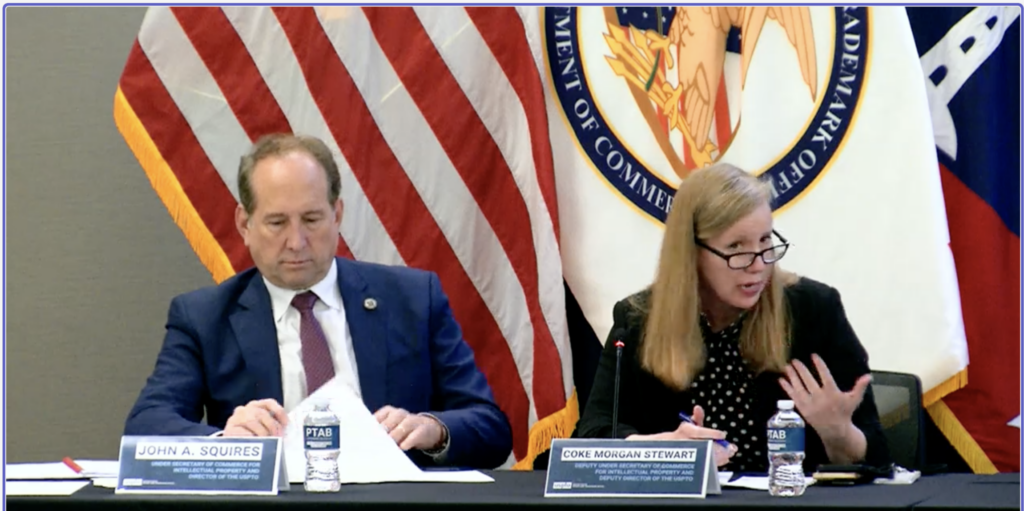
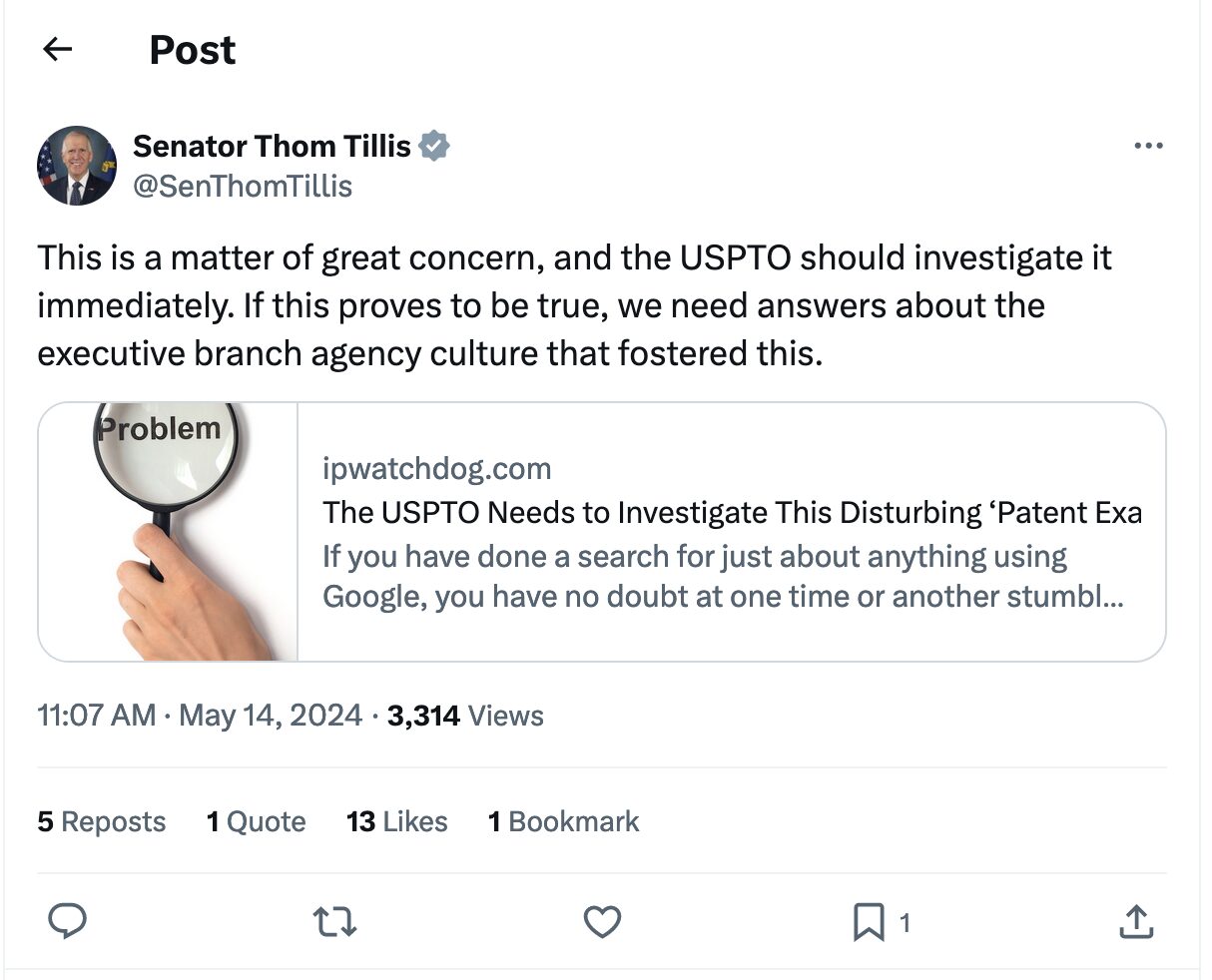
This isn’t just some anonymous online whinging. Senators and Representatives — big names in the IP space, no less — have fired off a letter to USPTO Director Kathi Vidal. They’re not just asking about this one alleged incident; they’re demanding a broader probe into whether examiners are “substituting their own preferences and beliefs for the law and USPTO guidance.” Translation: Are examiners playing political judge and jury with innovation?
Here’s the thing: the USPTO’s initial response was about as inspiring as a corporate HR memo. They’re dismissing it as “unverified statements by anonymous commenters.” Cute. Meanwhile, the IPWatchdog guy, Gene Quinn, is pointing out that the Reddit user in question, Snoo_86350, has dropped enough breadcrumbs — discussions about internal USPTO assignments, pay grades, even Director emails — to make them smell like a disgruntled insider. It’s not exactly a smoking gun, but it’s more than enough to raise a skeptic’s eyebrow. You’d think an agency tasked with protecting intellectual property would be a tad more proactive about potential integrity issues, wouldn’t you?
Who’s Really Getting Squeezed Here?
The core of the complaint boils down to this: a patent examiner grappling with “mixed feelings” about a case from an Israeli company, directly referencing the humanitarian situation in Gaza. The examiner asks, quite openly, for peers’ advice on how to handle it, admitting they “can’t help thinking” about the conflict. This is followed by another user suggesting they deliberately stonewall applicants they disagree with. If this is more than just a phantom complaint, it’s a massive red flag. We’re talking about the very foundation of innovation. If inventors can’t trust that their ideas will be judged solely on their legal merit, not on the examiner’s geopolitical mood swings, why bother?
And who’s losing out? Primarily, it’s the innovators. Especially those from countries or involved in industries that might be politically sensitive. The letter from Senators Tillis, Issa, and Representative Kiley hits this nail squarely: “Innovation cannot flourish without a transparent and strong set of rules.” Couldn’t agree more. The USPTO is supposed to be a neutral arbiter, a gatekeeper for the next big thing. Not a political battleground.
“We deeply hope that this post is not true, but the USPTO must take this seriously and act quickly to protect innovators and our economy.”
That’s the money quote, folks. It’s not just about the optics; it’s about the economic engine. The U.S. patent system is meant to incentivize creation, to give inventors a leg up. If that system is perceived as compromised by political bias — real or imagined — it erodes confidence. And a loss of confidence is something that Silicon Valley, and the broader economy, can ill afford.
Is This the AI vs. Human Showdown We Expected?
This whole kerfuffle, while seemingly about human bias, also has a funny undercurrent related to the AI hype. We’re always told AI will remove the human element, the subjectivity. So, what happens when the human element AI is supposed to replace is exactly what’s causing the problem? It’s a bit of a meta-twist. The fear of AI making biased decisions has been rampant. But maybe the bigger, more immediate threat is the existing human bias that AI might be trained on, or worse, that hasn’t been addressed even as we chase automated solutions.
My two decades in this game have taught me one thing: technology rarely solves fundamental human problems. It often just amplifies them, or creates new, shinier ways to express them. This patent examiner saga feels like a stark reminder of that. While the USPTO twiddles its thumbs and calls the whole thing “unverified,