So, is the Trump administration suddenly embracing AI regulation? The answer, like much in politics and tech, is complicated, and hinges on whether a rumored executive order materializes into actual policy.
This week’s Uncanny Valley podcast from WIRED dives into this surprising development. Reports indicate a potential shift away from the administration’s historically hands-off approach to artificial intelligence. We’re talking about an executive order that could establish federal oversight for new AI models, potentially requiring review before public release. This stands in stark contrast to past pronouncements championing a deregulated free market for AI development, particularly by figures like JD Vance, who previously emphasized building over hand-wringing.
“The AI future is not going to be won by hand-wringing about safety. It will be won by building, from reliable power plants to the manufacturing facilities that can produce the chips of the future.”
This apparent pivot comes at an interesting juncture. Major AI players like Google, Microsoft, xAI, Anthropic, and OpenAI have already committed to providing the government with early access to their models. The question remains: will this executive order simply formalize what’s already happening voluntarily, or will it represent a genuine attempt to exert control over the burgeoning AI landscape?
Market dynamics here are critical. For years, the narrative from certain political factions has been to let innovation run unfettered, a sentiment that often aligns with powerful tech interests eager to avoid burdensome regulation. But as AI models become more potent, capable of generating everything from sophisticated disinformation to potentially dangerous code, the calculus is changing. The Anthropic showdown, for instance, highlighted the very real and immediate risks associated with unchecked AI advancement. This shift, if it solidifies, suggests a growing realization that some level of proactive governance might be necessary, even for administrations that have historically championed minimal government intervention.
It’s a fascinating case study in how perceived threats and opportunities can reshape political ideologies at lightning speed. The tech sector, ever the pragmatist, is likely already recalibrating its lobbying efforts based on these shifting winds. Will this be a substantive regulatory framework, or a performative gesture? The former would undoubtedly send ripples through the industry, potentially impacting development timelines and the very nature of AI deployment. The latter? Well, that’s just politics as usual.
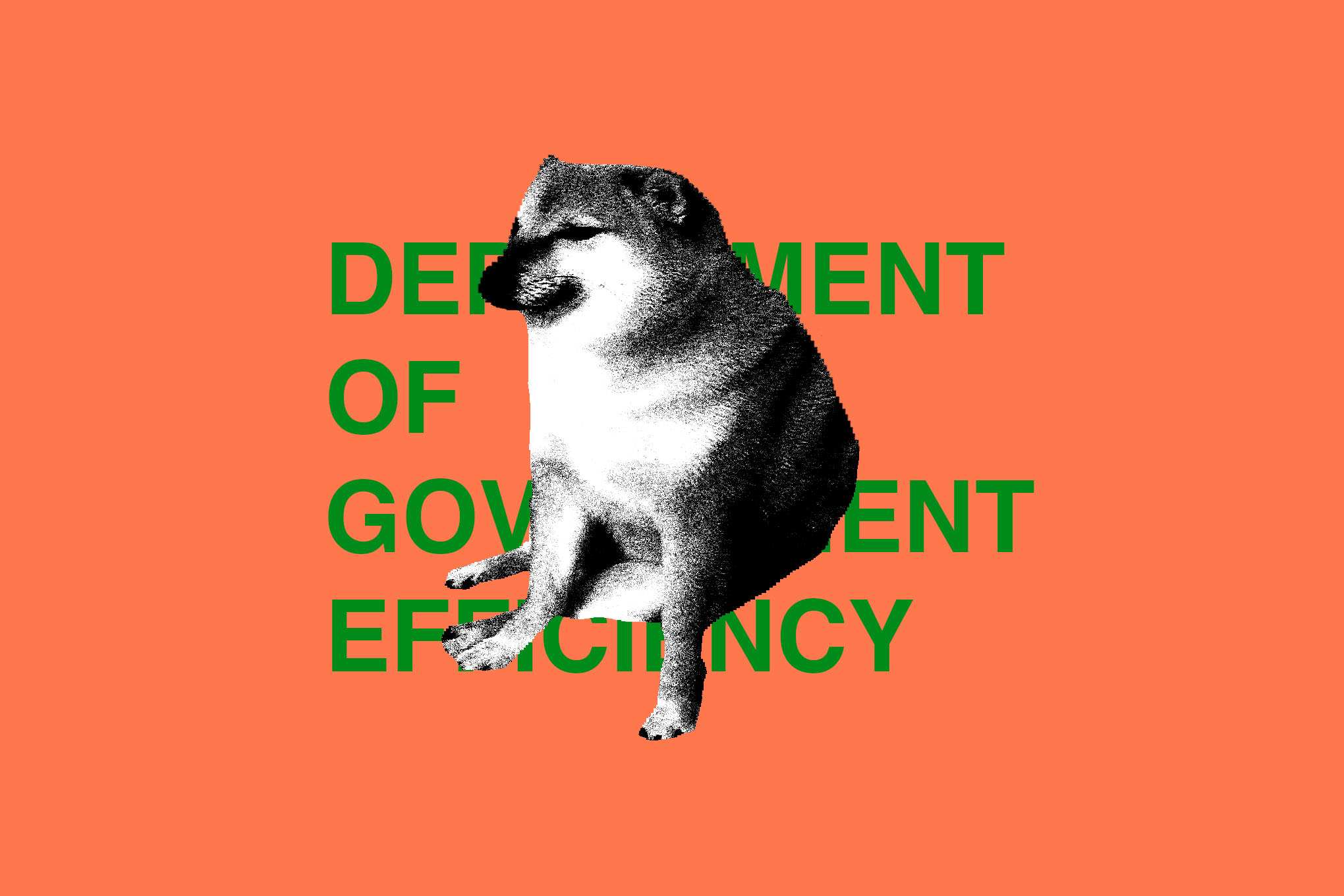
Beyond the AI chatter, the podcast touches on other compelling narratives. One story that’s already making waves is the political ascent of a former federal employee ousted by Elon Musk’s so-called Department of Government Efficiency (DOGE). Having been fired for filming DOGE operatives entering her workplace, she’s now running for Congress. This isn’t just a story about one individual; it’s a potent symbol of resistance against perceived corporate overreach and the weaponization of bureaucratic processes for ideological or personal vendettas. It’s the kind of human drama that resonates far beyond Silicon Valley boardrooms.
And then there’s the Hantavirus. While the podcast hosts imply Leah Feiger is overly concerned, the inclusion of this topic underscores a broader media trend: the amplification of public health anxieties. Hantavirus, a relatively rare but serious illness transmitted by rodents, can spark significant public fear. Explaining its transmission, symptoms, and—most importantly—manageable risks is a service, especially in an age where misinformation can spread as fast as any virus.
Finally, the human cost of corporate restructuring is laid bare through the story of a laid-off Spirit Airlines employee. Their account of experiencing the company’s shutdown news and reflecting on what they’ll miss most provides a much-needed, ground-level perspective on the economic turbulence impacting everyday workers. It’s a stark reminder that behind every market fluctuation and executive decision are individuals whose livelihoods are directly affected.
Is this Trump executive order a genuine regulatory shift or a political maneuver? The market will be watching closely. And in the meantime, the human element—from political challengers born of workplace disputes to employees facing unexpected job losses—continues to shape the broader narrative.
The Political Ascent of the Displaced
The story of a federal worker fired by Musk’s DOGE unit now running for Congress is more than just a quirky political anecdote. It’s a data point illustrating a growing trend: individuals using perceived injustices in the corporate or governmental tech sphere as a springboard for public office. This narrative taps into a broader societal distrust of opaque corporate power and bureaucratic machinations. Expect more such candidacies as tech’s influence continues to permeate every aspect of public life, turning personal grievances into political platforms.
Hantavirus: Fact vs. Fear
While the Uncanny Valley hosts playfully tease Leah Feiger’s concern, the discussion around Hantavirus highlights how public perception of risk can diverge from statistical reality. Hantavirus outbreaks, while serious for those affected, are statistically far less prevalent than many other public health concerns. The podcast’s approach to explaining the virus, its transmission, and preventive measures offers a much-needed dose of factual clarity amidst potential alarmism. This is a recurring challenge for media outlets tasked with informing the public without inciting undue panic.
Spirit Airlines Implosion: A Worker’s Perspective
The firsthand account of a Spirit Airlines employee facing layoff offers a micro-level view of macro-economic forces. It’s a humanizing counterpoint to detached financial reporting, emphasizing the tangible impact of corporate decisions on individual lives. These personal stories are vital for a holistic understanding of industry shakeups, reminding us that behind every balance sheet is a workforce.
AI Regulation: A Policy Pivot?
The most significant development, if it materializes, is the potential for an executive order on AI oversight from the Trump administration. Historically, the Trump White House favored deregulation across many sectors, including technology. This reported shift suggests a growing recognition, even among skeptics, that advanced AI models pose unique challenges requiring some form of governmental scrutiny. The timing, coinciding with voluntary disclosures from major AI firms, raises questions about whether this will be a substantive policy change or a reactive measure.
🧬 Related Insights
- Read more: John Deere’s $99 Million Right-to-Repair Payout: Farmers Win, But Is It Enough?
- Read more: Orbital Launches AI-Powered Real Estate Law Firm [NewMod Play]
Frequently Asked Questions
What is the Trump administration considering regarding AI regulation? Reports suggest the administration is considering an executive order to establish federal oversight for new AI models, potentially involving review by a group of tech executives and government officials before public release.
Why is a laid-off federal worker running for office? She was reportedly fired by Elon Musk’s DOGE unit for filming its operatives, and her subsequent congressional run appears to be a response to that experience and broader concerns about corporate power.
How worried should people be about Hantavirus? Hantavirus is a serious illness transmitted by rodents, but outbreaks are relatively rare. The podcast aims to provide factual information to contextualize public health concerns.