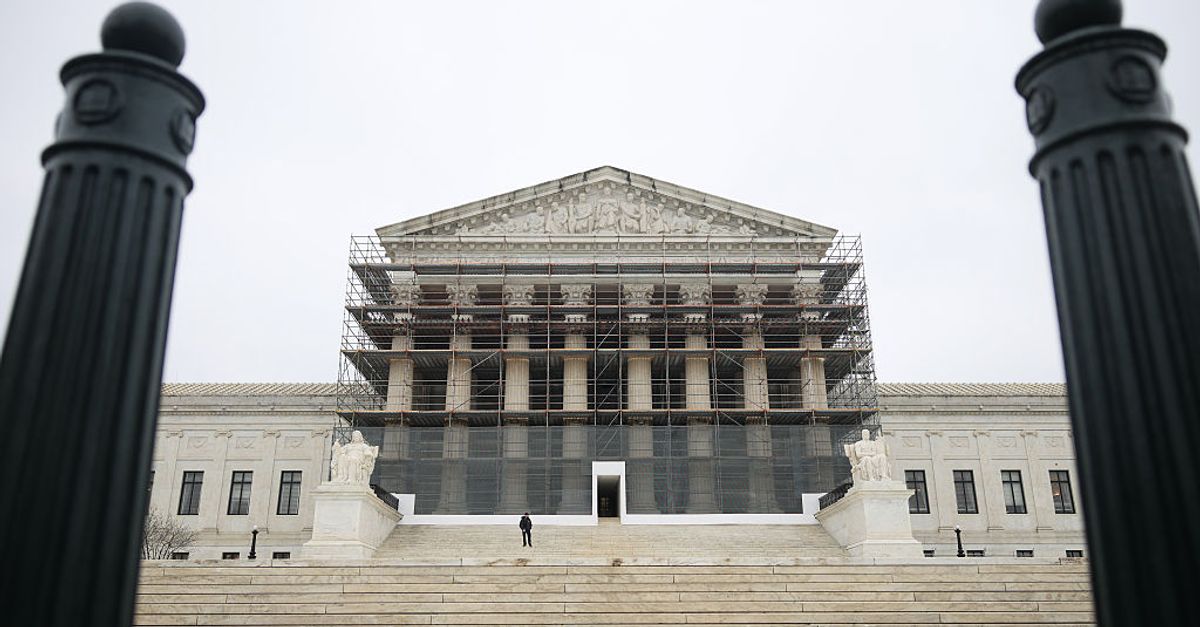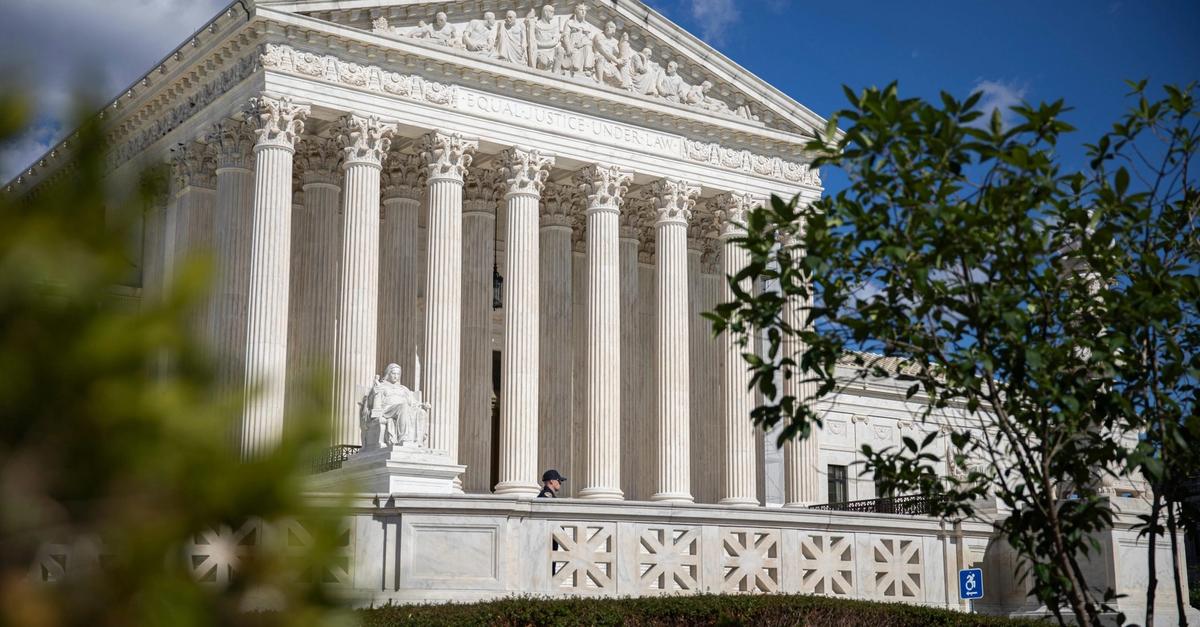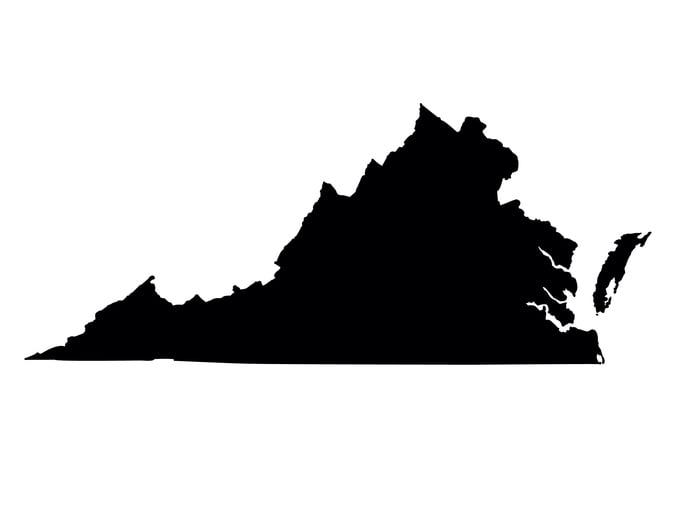
It’s a race against the clock for Virginia Democrats. With the 2026 midterms looming, their lawyers are now petitioning the Supreme Court to revive a congressional map designed to flip four U.S. House seats to blue. The gambit hinges on overturning a recent 4-3 decision by the Virginia Supreme Court, which declared a constitutional amendment — the very mechanism that would have empowered the General Assembly to draw this new map — invalid.
This isn’t just about Virginia’s congressional delegation; it’s a microcosm of the broader, often bruising partisan warfare playing out in redistricting across the nation. The amendment, put to voters and approved by a slim three-point margin, would have granted the state legislature the power to redraw district lines outside the typical decennial census cycle. The goal: engineer a favorable map. In this instance, a map that would have given Democrats a commanding 10 of the state’s 11 House seats.
The state court’s reasoning? Procedural missteps. Apparently, the General Assembly hadn’t jumped through all the prescribed hoops when putting the amendment on the ballot. A technicality, perhaps, but one with profound electoral implications. The Democrats and Attorney General Jay Jones are arguing to Chief Justice John Roberts and the rest of the Supreme Court that this state-level ruling treads on federal law, specifically misinterpreting the term “election” and overstepping judicial bounds to such a degree that federal intervention is warranted.
Judicial Bypass or Federal Overreach?
Here’s the kicker: the Supreme Court typically steers clear of state law interpretations. But the filing contends that the Virginia court’s decision doesn’t just interpret state law; it “impermissibly transgressed the ordinary bounds of judicial review.” That’s a hefty accusation, suggesting a judicial overreach that could have national reverberations for how state courts handle legislative and electoral matters. The Democrats’ legal team isn’t mincing words, stating the ruling “overthrows [a] democratic outcome just days before the Commonwealth must begin its preparations to administer the 2026 midterm election.”
This entire saga is a stark reminder of how the mechanics of democracy can become entangled in partisan maneuvering. While the voters in Virginia approved the amendment, the state’s highest court acted as a gatekeeper, scrutinizing the process. Now, the ultimate arbiter could be the U.S. Supreme Court, which has until Thursday evening to consider the Republican legislators’ response to the emergency filing.
A Precedent in Peril?
What’s particularly interesting is the argument that the Virginia Supreme Court’s decision has implications for the meaning of “election” under federal law. This suggests a deep dive into what constitutes an election and how states can manage their electoral processes, especially when those processes involve voter-approved constitutional changes that directly impact partisan representation. If the Supreme Court sides with Virginia Democrats, it could signal a willingness to intervene in state court decisions that appear to subvert voter will or legislative action, particularly when framed as issues of federal law. Conversely, a refusal to hear the case would allow the state court’s ruling to stand, potentially reinforcing the principle of state judicial autonomy over state procedural matters, even if the electoral outcome is contentious.
The urgency here is palpable. The clock is ticking on redistricting cycles and election preparations. This isn’t merely a local squabble; it’s a high-stakes legal chess match with significant implications for the balance of power in Congress. We’ve seen this play out before, in other states, with varying degrees of success for partisan mapmakers. Virginia’s current predicament, however, brings a fascinating twist: a voter-approved amendment, invalidated by the state’s highest court, now seeking salvation from the federal judiciary.
The Virginia Supreme Court’s ruling “overthrows [a] democratic outcome just days before the Commonwealth must begin its preparations to administer the 2026 midterm election.”
This is where the line blurs between state procedural review and federal electoral integrity. The Democrats are framing this as a federal issue. The Republicans, naturally, see it as a victory for proper procedure. The Supreme Court’s decision — or even its decision to hear the case — will send a clear signal about its appetite for wading into these increasingly complex and politically charged redistricting disputes. For now, the future of Virginia’s congressional map, and potentially a few House seats, hangs in the balance.
Why Does This Matter for the 2026 Elections?
The immediate impact is on Virginia’s congressional delegation. A map that favors Democrats by a significant margin could lead to a substantial shift in partisan representation from the state. Beyond Virginia, this case could set a precedent for how future redistricting challenges are handled, particularly those involving voter-approved amendments and accusations of judicial overreach. It highlights the ongoing tension between state legislative power, judicial review, and federal oversight in the often contentious process of drawing electoral maps.
🧬 Related Insights
- Read more: Meta Faces $174.5M Patent Verdict: What It Means for Tech
- Read more: [AI Hype] The Missing Step 2 to Profit
Frequently Asked Questions
What is Virginia asking the Supreme Court to do? Virginia Democrats and Attorney General Jay Jones are asking the Supreme Court to allow the state to use a new congressional map for the 2026 elections, which they contend would advantage Democrats. This map was previously invalidated by the Virginia Supreme Court.
Why did the Virginia Supreme Court invalidate the map? The Virginia Supreme Court ruled 4-3 that a constitutional amendment, which would have given the state General Assembly the power to draw the new congressional map, was invalid because the General Assembly did not follow proper procedures when it placed the amendment on the ballot.
What are the federal law issues involved? Virginia Democrats and the Attorney General argue that the state court’s ruling implicates two critical issues of federal law: the meaning of the term “election” under federal law and the idea that the state court “impermissibly transgressed the ordinary bounds of judicial review,” warranting federal intervention.