Patent Policy Blind Spots: What We're Missing
Forget the 'patent troll' narrative. A deep dive into patent law reveals a stark disconnect between academic theory and marketplace reality, with potentially damaging consequences for innovation.

So, the attorneys thought they could just grab a consultant's report off the public docket and use it for free? Turns out, even D.C. courts aren't that dumb.
The European Union navigated a complex AI landscape in May 2026, reaching significant agreements on its AI Omnibus and issuing crucial guidance on high-risk AI systems as key AI Act obligations loom.
A federal court just restored a hefty trade secret damages award, while across the pond, Europe is asking if generative AI has stepped on copyright toes. It's a reminder that even with all the AI hype, old-school legal battles and emerging tech clashes are still very much alive.
A recent court ruling is being hailed by both sides of the Thomson Reuters vs. ROSS Intelligence legal battle. Does the 'UpCodes' decision tip the scales?
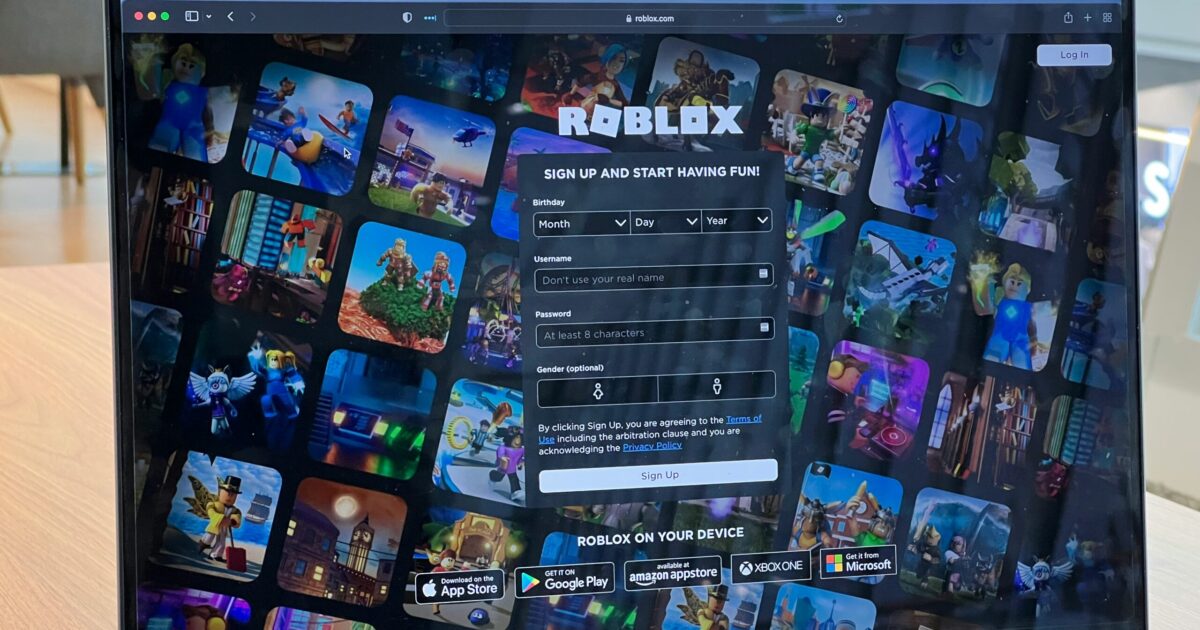
Roblox, the behemoth gaming platform, is facing intense scrutiny from child safety advocates. A coalition is calling on the FTC to investigate its alleged manipulative design features and their impact on young users.
Real people, not just lawyers, are feeling the ripple effects of significant legal rulings and policy shifts. This week, we’re dissecting what matters beyond the legalese.
Universities are grappling with AI. UC Berkeley just dropped its new policy, and it's making waves. Is this the future of legal education, or just another headline?
For twenty years, I've seen Silicon Valley chase shiny objects. Now, a legal expert is calling out patent policy for doing the same, clinging to outdated narratives while real innovation goes misunderstood.
The Patent Trial and Appeal Board is tightening rules on claim construction consistency, while a bill to shift the Copyright Office to the Executive Branch gains momentum. The CJEU also weighed in on publisher rights.
So, are you ready for the EU AI Act's transparency reckoning? By August 2026, nearly every business interacting with AI, or producing AI-generated content, faces new disclosure rules. This isn't just for the 'high-risk' stuff.
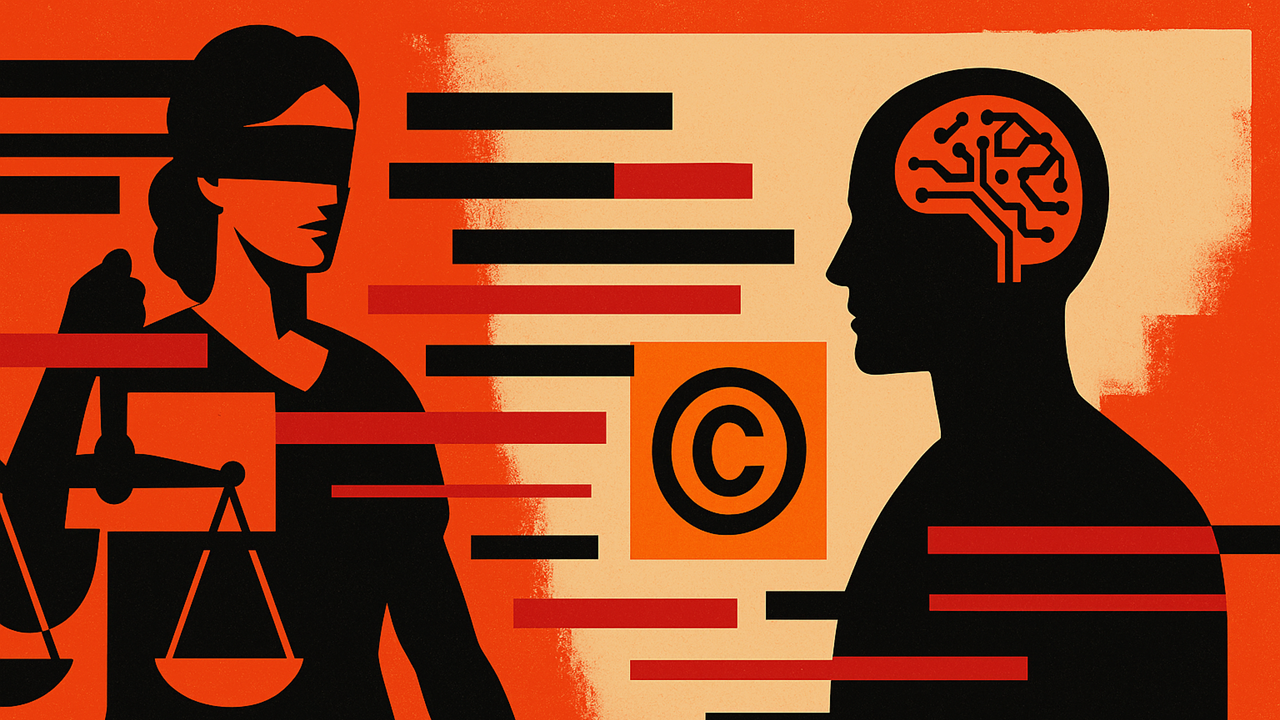
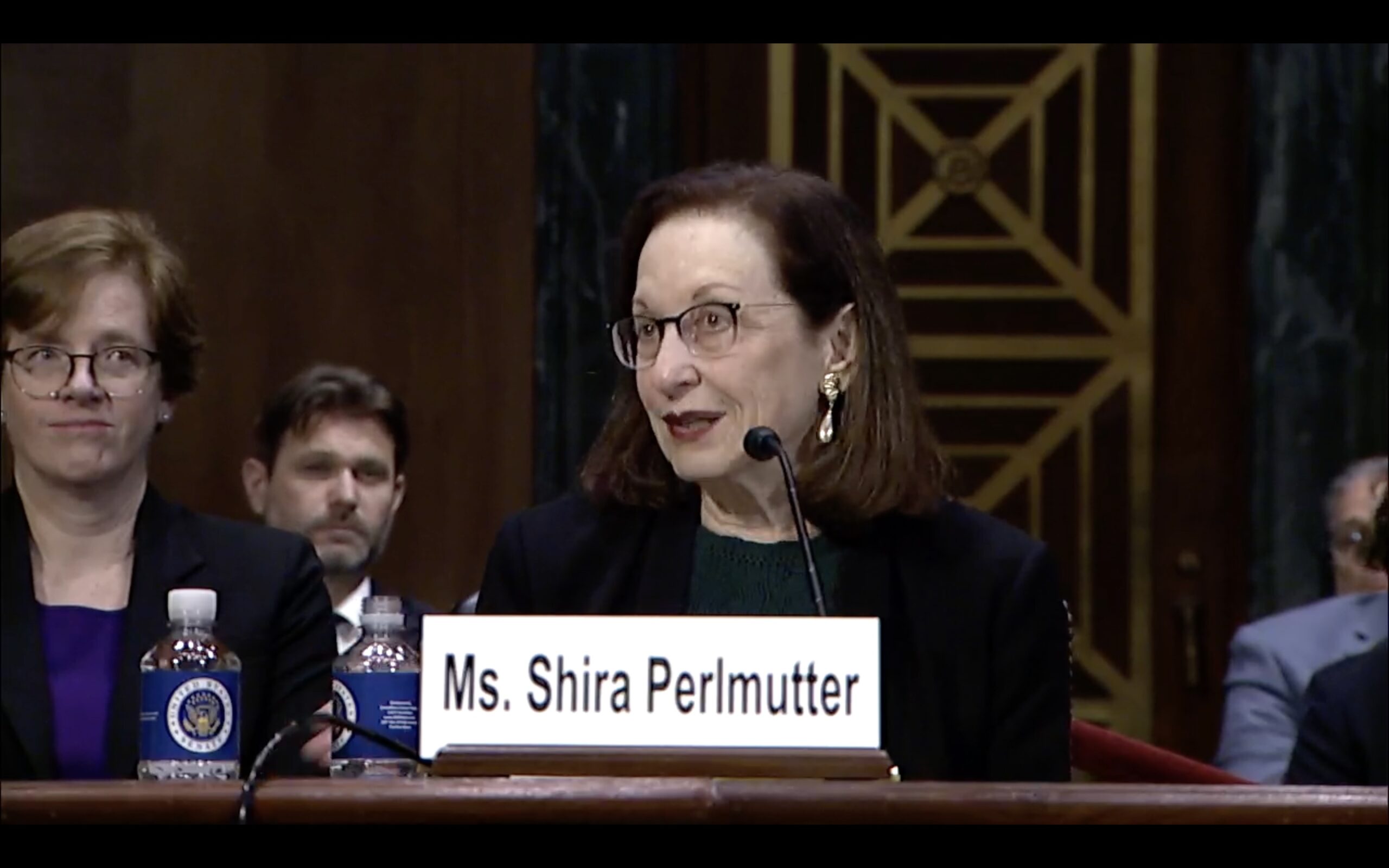
The US Copyright Office is at the nexus of a brewing storm, caught between the explosive growth of AI and a former president's attempts to seize control. Senators are pushing back, fiercely defending its legislative roots.
A $1.4 billion investment surge in 'Uber for Nursing' apps is pushing states to rewrite healthcare staffing laws, sparking alarm among nurses concerned about their pay and protections.
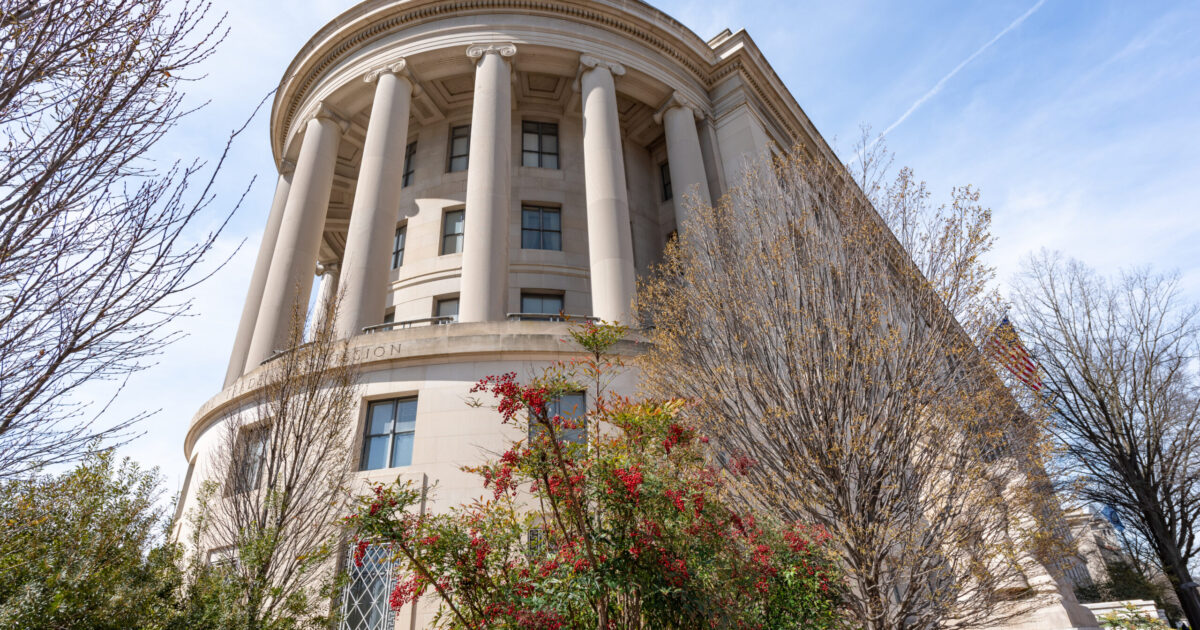
What if the agency guarding your wallet from corporate overreach just hit the snooze button? The FTC's latest Strategic Plan for 2026-2030 scales back ambition, ditching market-wide metrics and vulnerable population safeguards.
Gig nursing apps are flooding statehouses with bills to dodge oversight, just like Uber did a decade ago. Backed by fat VC checks, they're betting on algorithms to rewrite healthcare labor rules.
The idea that innovation thrives in a vacuum of intellectual property protection is a fantasy. The data tells a starkly different, and more practical, story.
Imagine handing patent battles to agency desks instead of courtrooms. Oil States is fighting back, claiming IPR guts the Constitution's core protections for inventors.
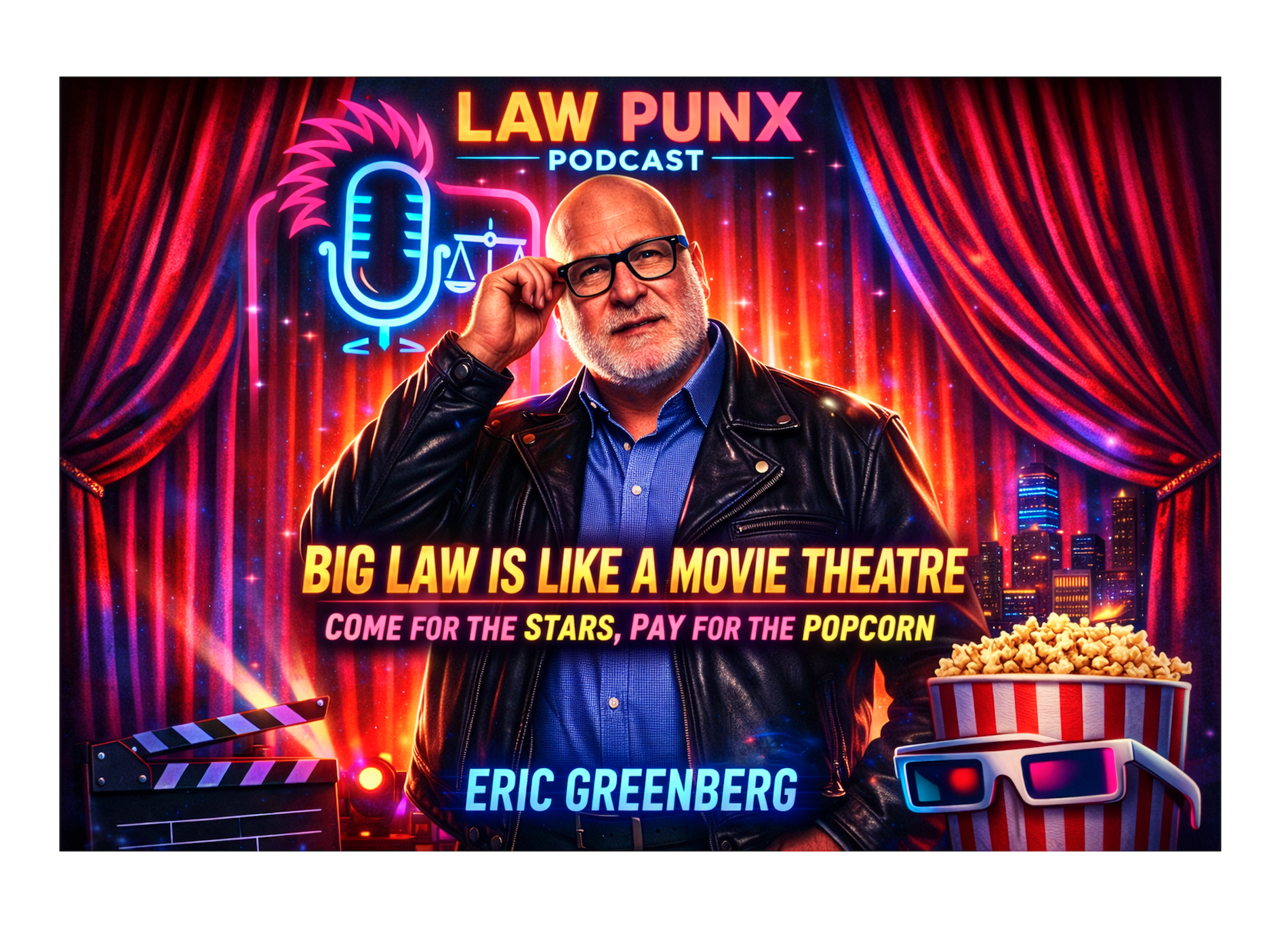
Imagine shelling out blockbuster prices at the movies, only to munch overpriced popcorn while the stars shine briefly. That's Big Law, says GC Eric Greenberg – and it's waking up in-house lawyers everywhere.
Picture Capitol Hill staffers scribbling notes as a vet warns: our patent system's cracking. Bayh-Dole saved us once—will Trump let it die?
The Patent Trial and Appeal Board (PTAB) is stuck in a policy whiplash, making it impossible for practitioners to offer stable advice. This isn't just an inconvenience; it's a systemic threat to the patent system's integrity.