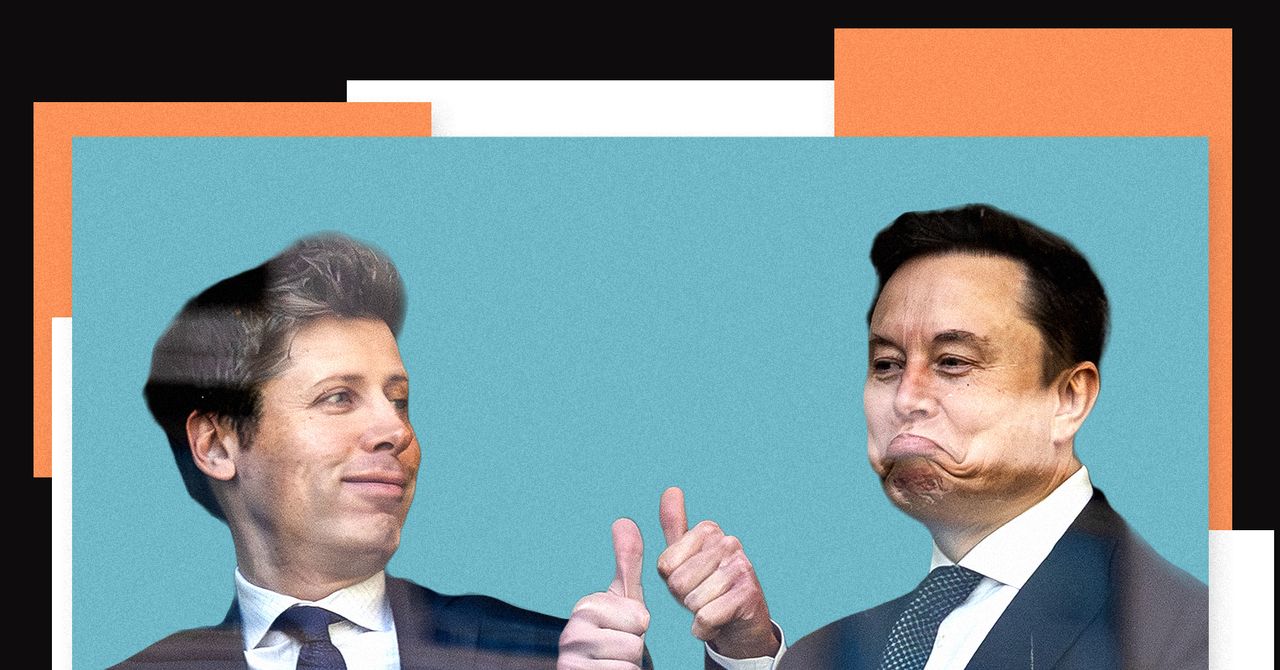
Musk's OpenAI Lawsuit Fails: Jury Rules Claims Untimely
Elon Musk’s grandstanding lawsuit against OpenAI and Sam Altman? DOA. Jurors didn't even bother with the merits. Too late, they said. Simple as that.
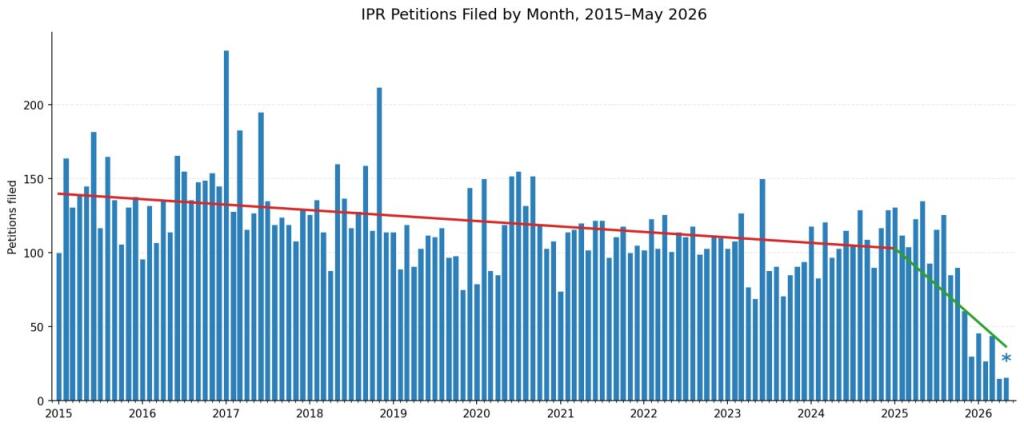
Patent litigation is in freefall. Inter Partes Review filings have cratered, marking a seismic shift in how patents are challenged and defended.
Encryption isn't just for secrets anymore. Civil liberties groups are stepping into the legal fray, defending its very existence in a crucial court battle.
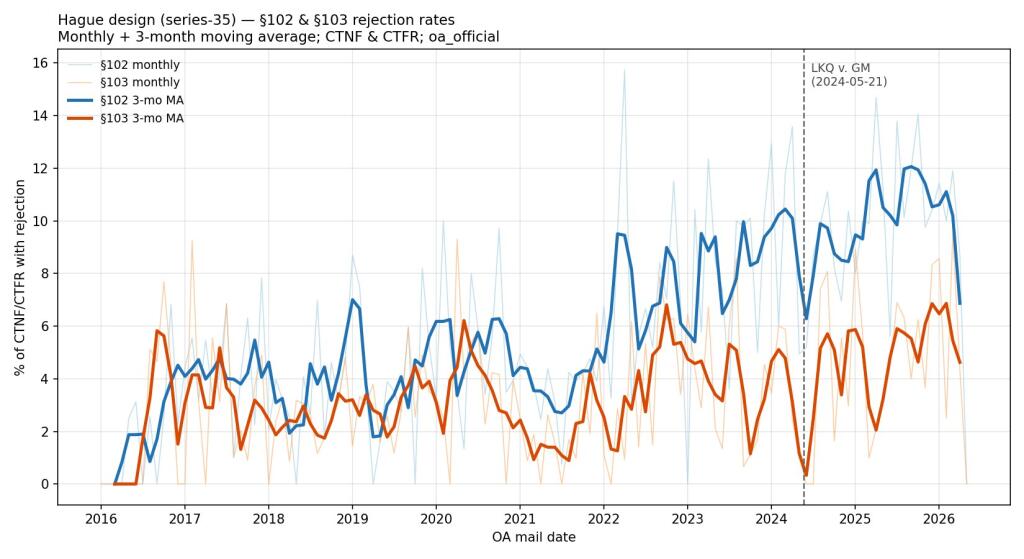
A landmark Federal Circuit decision was supposed to shake up design patent prosecution. It hasn't. The numbers tell a different, more stubborn story.
The Supreme Court's recent redistricting decisions are igniting a firestorm, with critics accusing the justices of partisan intervention and undermining established legal principles. This fallout isn't just academic; it's a direct challenge to the court's standing.
Another Thursday, another non-decision from the Supremes on the E. Jean Carroll $5 million verdict. It's been rescheduled an astonishing 11 times now, leaving everyone scratching their heads.
Justice Ketanji Brown Jackson isn't holding back. She's calling out the Supreme Court's optics, and frankly, it's about time someone did.
The Supreme Court's own rule against altering election procedures near voting day has been weaponized and then demonstrably ignored. This isn't just judicial inconsistency; it's a strategic dismantling of voting rights protections.
The Supreme Court witnessed something truly novel: 'SCOTUSgami.' This unprecedented event signals a potential shift in how legal arguments are presented.
The Supreme Court just threw a curveball, deciding not to decide a critical death-row IQ dispute. This leaves a federal appeals court ruling standing, meaning Alabama can't execute Joseph Smith.
The Federal Circuit's affirmation of a district court's obviousness finding signals a seismic shift. The PTAB's deep well of obviousness jurisprudence is now squarely in the hands of judges.
The Supreme Court has delivered a blow to cruise lines, potentially opening the door for Havana Docks to collect hundreds of millions for confiscated Cuban port assets. Justice Thomas penned a victory for U.S. nationals seeking damages under a decades-old law.
The digital battlefield is heating up as Access Now, with allies, urges a federal court to shield encryption from the intrusive grasp of NSO's infamous Pegasus spyware. This isn't just about one lawsuit; it's a seismic battle for the very foundation of our digital privacy.
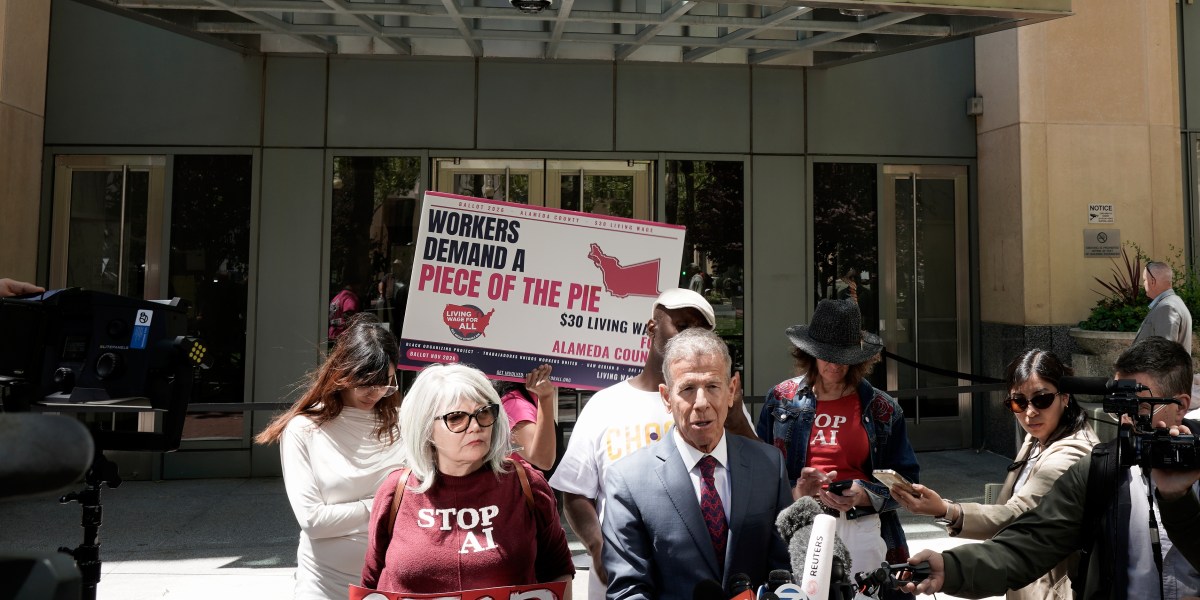
Elon Musk's AI ambitions are sparking controversy. Despite facing legal action over polluting generators, xAI is doubling down with a multi-billion dollar expansion.
The perpetual dance between patent holders and alleged infringers just got a new twist. A recent judicial decision muddies the waters on whether patent trolls can actually get injunctions, and frankly, it's about time someone took a hard look at the money behind it all.
The courtroom drama surrounding Elon Musk's lawsuit against OpenAI's founders is over, and the verdict is clear: Musk's case was built on shaky ground. But beneath the legal wrangling, a far more fascinating narrative about the birth of a technological revolution began to unfold.
The legal world's latest dispatches read like a bad dream: births in court, warrantless searches slipping through, and judicial theme songs. It's a masterclass in procedural chaos.
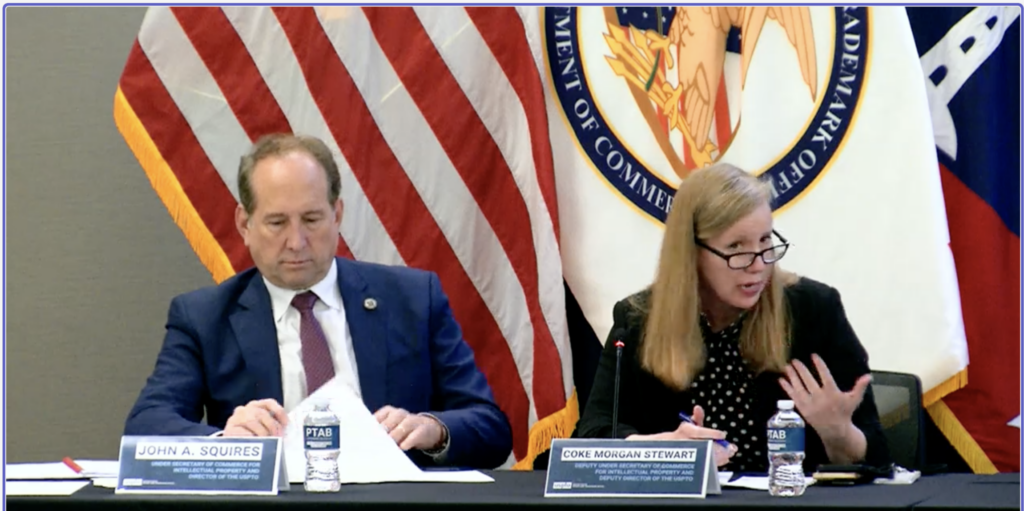
The USPTO's latest PTAB Listening Session underscored a stark reality: the system desperately needs more predictability. Panelists, from seasoned judges to corporate counsel, cited a near-universal demand for clearer rules and a stable process.
Elon Musk just got schooled by the calendar. His high-profile lawsuit against OpenAI? Tossed, not for lack of evidence, but for filing too damn late. Who's laughing now?
Did Elon Musk just strike out in his high-profile legal brawl with OpenAI? A federal jury says yes, finding his claims are simply too old to matter.