What is AI Copyright Law?
AI copyright law examines who owns the rights to creative works generated by artificial intelligence systems. It grapples with novel questions about authorship, originality, and the legal status of AI-created content.
In-depth coverage of the latest Explainers developments, trends, and analysis — curated daily.
AI copyright law examines who owns the rights to creative works generated by artificial intelligence systems. It grapples with novel questions about authorship, originality, and the legal status of AI-created content.
This week's Legal AI Beat highlights increasing judicial scrutiny of AI-generated legal arguments, the persistent complexities of cross-border data transfer regulations, and the escalating copyright crisis surrounding AI-created content. Expect these critical areas to remain at the forefront of legal developments next week.
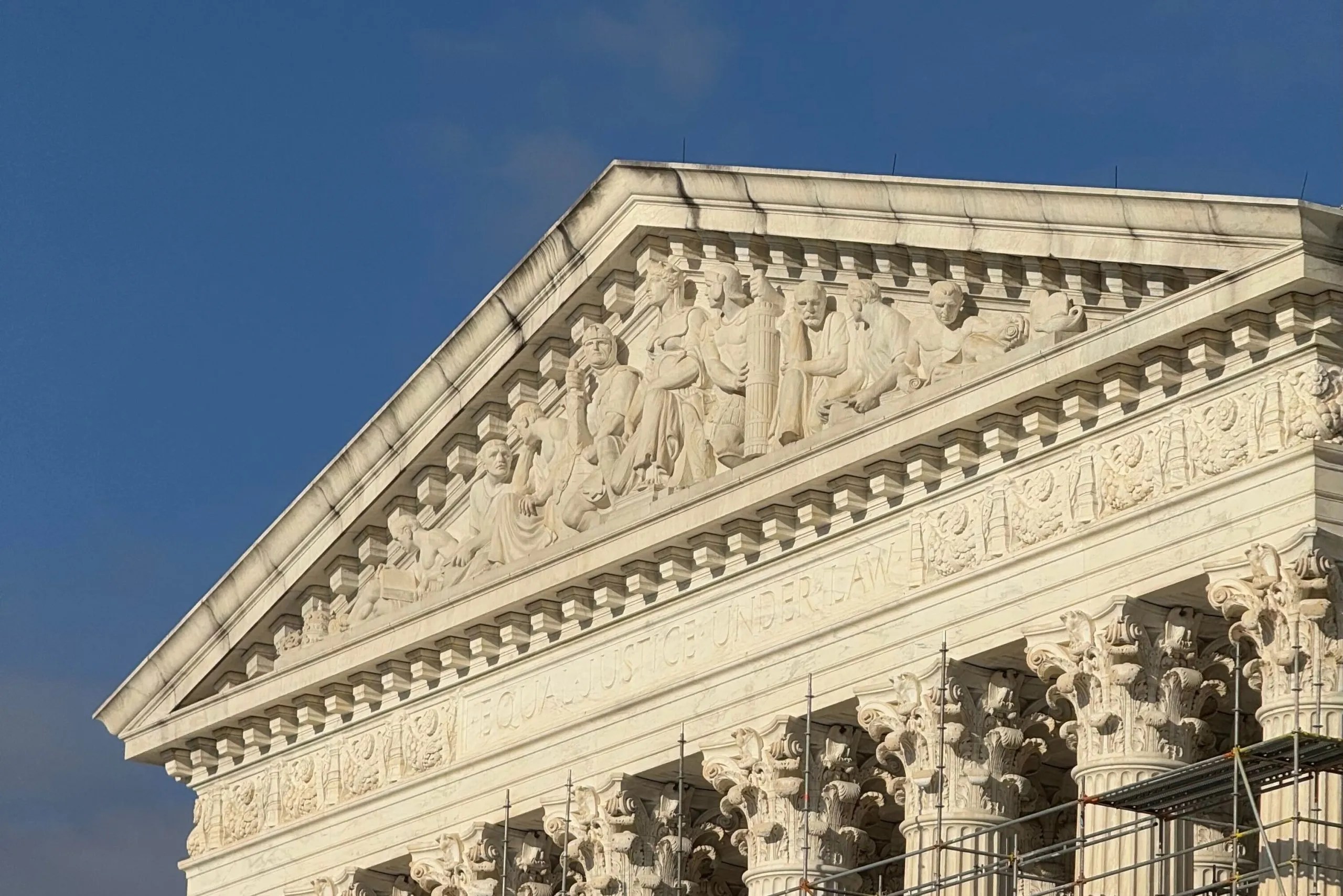
Stare up at the Supreme Court's marble facade, those words 'Equal Justice Under Law' etched forever. Turns out, they weren't born from some Founding Father— just an architect's doodle in 1931.
AI Governance provides the essential structure for managing artificial intelligence systems. It ensures ethical development, responsible deployment, and effective use of AI technologies, addressing critical concerns like bias, transparency, and accountability.
The General Data Protection Regulation (GDPR) is a landmark data privacy law enacted by the European Union, establishing stringent rules for processing personal data. It grants individuals significant control over their data and imposes robust obligations on organizations.
An AI audit is a systematic evaluation of artificial intelligence systems. It's crucial for ensuring AI's responsible development and deployment, especially in legal contexts.
AI liability addresses the complex question of who bears legal responsibility when an artificial intelligence system causes harm. This explainer delves into the frameworks and challenges of assigning accountability in the age of intelligent machines.