Trade Secret Recovery [Versata v. Ford] Redefined
Forget thinking a trade secret plaintiff's willingness to license limits their recovery options. The Federal Circuit just blew that door wide open.
In-depth coverage of the latest IP & Copyright developments, trends, and analysis — curated daily.
Forget thinking a trade secret plaintiff's willingness to license limits their recovery options. The Federal Circuit just blew that door wide open.
The Supreme Court is wading into a complex patent dispute that could reshape how drug manufacturers protect their innovations from generic competitors. It's not just about labels; it's about the very definition of inducement.
The U.S. Patent and Trademark Office has wielded a mighty pruning shear, slashing inter partes review institution rates by a staggering 43%. This isn't just a statistical blip; it's a seismic shift.
Real people, not just lawyers, are feeling the ripple effects of significant legal rulings and policy shifts. This week, we’re dissecting what matters beyond the legalese.
The Federal Circuit's affirmation of a district court's obviousness finding signals a seismic shift. The PTAB's deep well of obviousness jurisprudence is now squarely in the hands of judges.
The Federal Circuit just slammed the door shut on Samesurf's patent for synchronized web browsing. It’s a stark reminder that a broad claim isn't automatically a patentable one, especially when prior art looms.
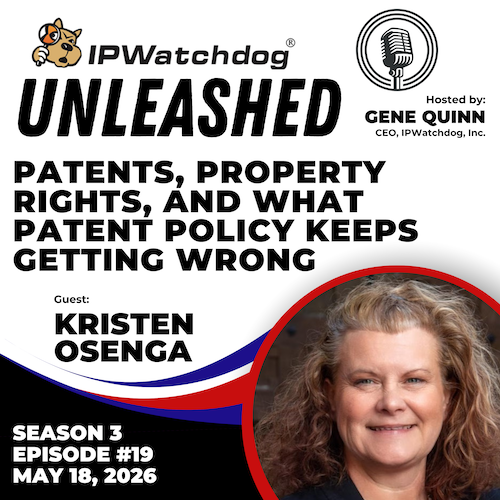
For twenty years, I've seen Silicon Valley chase shiny objects. Now, a legal expert is calling out patent policy for doing the same, clinging to outdated narratives while real innovation goes misunderstood.
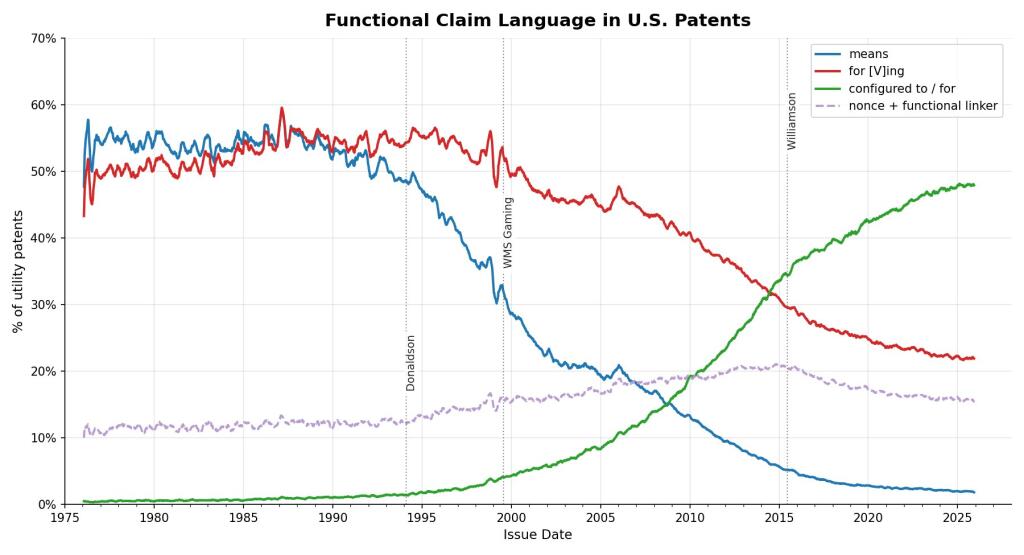
The way we describe technology in patents is changing, and it's not just academic. New data tracks a seismic shift in legal phrasing, driven by a single court case, with implications for how innovations are protected.
The Federal Circuit just tossed out a lower court's dismissal of Medtronic's patent claims. This isn't just legal jargon; it means the fight over kidney denervation tech is back on, and it signals a shift in how patent rights are viewed after licensing deals.
Patent infringement litigation just got a jolt of clarity from the CAFC. For years, the court’s stance on standing felt like navigating a foggy maze; now, there’s a clearer path, potentially breathing new life into dismissed cases.
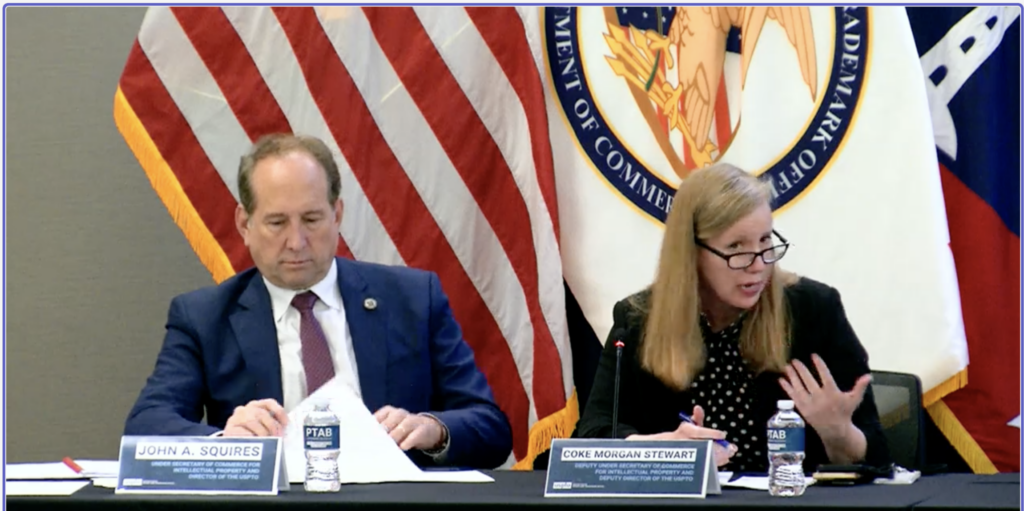
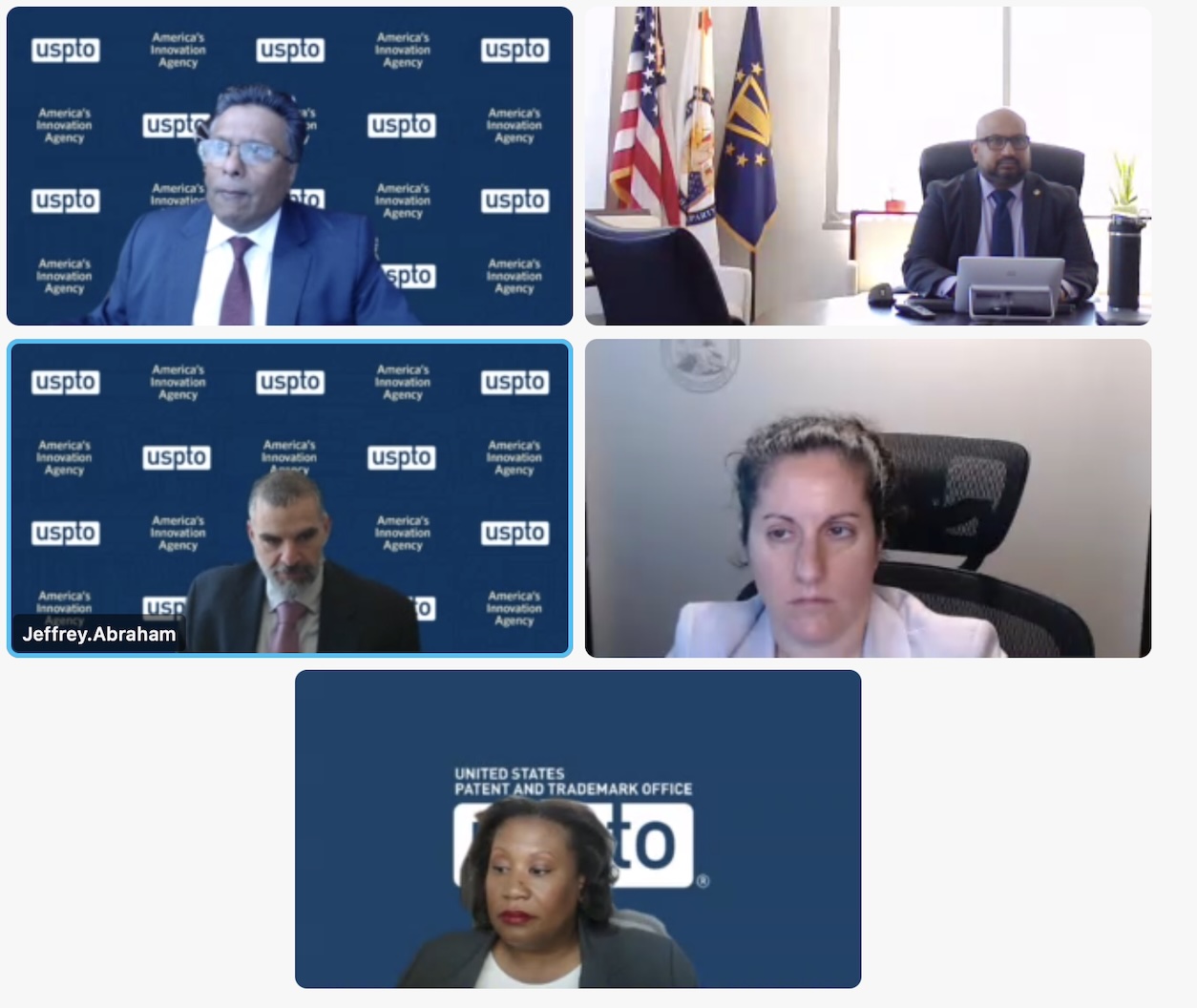
The USPTO's latest PTAB Listening Session underscored a stark reality: the system desperately needs more predictability. Panelists, from seasoned judges to corporate counsel, cited a near-universal demand for clearer rules and a stable process.
USPTO Director John Squires just dropped a bombshell, essentially telling patent litigants to stop playing games with the system. His latest decision slams the door on using Inter Partes Reviews (IPRs) as a backdoor to relitigate settled issues, a move that has industry watchers nodding—or perhaps wincing—in agreement.