We all thought, when AI started its dazzling ascent, that the big legal battles would be about patents, copyright, and maybe a rogue robot causing trouble. We envisioned a future of hyper-efficient legal research and automated contract drafting, a smooth, almost utopian upgrade to the existing legal machinery.
But here in Legal AI Beat, we’ve always kept a sharper eye. We knew the platform shift AI represents — and that’s what it truly is, a fundamental platform shift, like the internet or the microprocessor — would inevitably expose and weaponize existing societal fault lines. And nowhere is this starker than in places where existing laws are already being bent, twisted, and weaponized against free expression. Look at Nigeria.
Nigeria’s Cybercrimes Act, passed way back in 2015, was supposed to be about, well, cybercrimes. Sensible. Necessary. But here’s the kicker: over two dozen journalists, human rights defenders, and whistleblowers have since found themselves on the wrong side of it. Authorities are wielding its broad prohibitions on “cyberstalking” like a cudgel, not a scalpel, effectively punishing critical online speech and silencing opposition voices. It’s like using a nuclear missile to swat a fly.
Think about it. We’re talking about a law designed for digital security being repurposed to muzzle dissent. This isn’t a bug; it’s a feature of how powerful tools, when unchecked, can be turned to illiberal ends. The digital realm, which promised to democratize information, is instead becoming a battleground for basic freedoms.
The Chilling Effect is Real
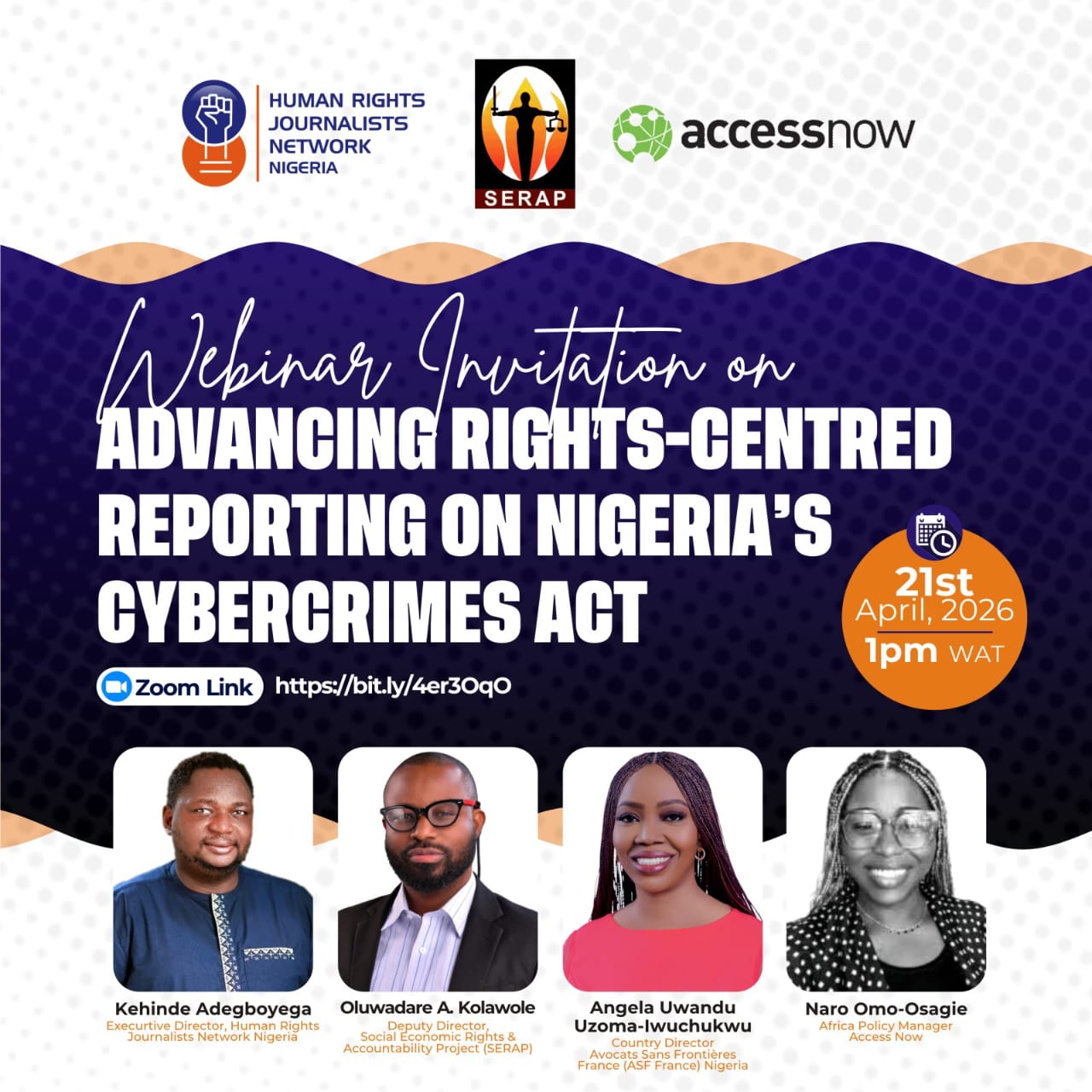
Access Now, alongside the Human Rights Journalists Network, Socio Economic Rights & Accountability Project (SERAP), and Avocats Sans Frontieres Nigeria (E-Rights Nigeria Project), is stepping into this breach. They’re not just talking; they’re hosting a webinar this past April 21st aimed squarely at unpacking these human rights implications. The goal? To equip journalists and human rights organizations with a rights-based framing for reporting on these cases. This means accurate, responsible, and, crucially, critical reporting on cybercrime-related cases and the ongoing reform efforts by civil society.
This webinar is more than just an academic discussion. It’s a vital intervention. It’s about providing the tools to counter the narrative that’s being imposed by those in power, a narrative that paints legitimate criticism as criminal activity. It’s about ensuring that the very technologies meant to connect us aren’t used to isolate and punish those who dare to speak truth to power.
The speakers are: Naro Omo-Osagie, Africa Policy Manager, Access Now; Angela Uwandu Uzoma-Uwuchukwu, Head of Office, Avocats Sans Frontieres Nigeria (Convener E-Rights Nigeria Project); and Olúwádàre A. Kóláwolé, Deputy Director, Socio Economic Rights & Accountability Project (SERAP).
These aren’t just names; they are champions on the front lines, understanding that the legal landscape is shifting under our feet, and that AI’s influence, direct or indirect, magnifies these existing challenges. It’s a reminder that the legal frameworks we build, or fail to build, in this new technological era will define the very essence of our rights and freedoms.
This situation in Nigeria offers a stark, albeit deeply concerning, preview. It shows how a law, even one ostensibly about protecting citizens, can become an instrument of oppression when its application lacks transparency and accountability. The digital age demands vigilance, and this webinar is a critical step in fostering that very vigilance.
Is Nigeria’s Cybercrimes Act Uniquely Problematic?
While the Nigerian Cybercrimes Act’s application in silencing dissent is particularly egregious, the phenomenon of digital laws being used to curb free speech isn’t entirely unique. We’ve seen similar trends emerge globally, where broad definitions of online harm are applied to restrict legitimate journalism and activism. What distinguishes the Nigerian context is the sheer volume of reported cases and the explicit targeting of critical voices under the guise of cyberstalking legislation. This isn’t just about code; it’s about power and control in the digital sphere.
Why Does This Matter for the Future of Legal AI?
This situation serves as a critical cautionary tale for the development and deployment of AI in the legal sector globally. If AI tools are developed or trained on data that reflects biased applications of laws, or if they are used in jurisdictions where laws are being weaponized, they risk perpetuating and even amplifying these injustices. The push for a rights-centered reporting framework is a vital counterpoint, emphasizing the need for ethical considerations and human rights impact assessments to be baked into legal tech development from the outset. It’s about ensuring AI serves justice, not subverts it.
🧬 Related Insights
- Read more: Gig Workers Strap Phones to Heads, Training Tesla Bots with Laundry Folds
- Read more: [Key Ruling] Discovery Rule Saves Walker Process Antitrust Suit
Frequently Asked Questions
What is the main criticism of Nigeria’s Cybercrimes Act?
The main criticism is that its broad provisions, particularly on “cyberstalking,” are used by authorities to target and silence journalists, human rights defenders, and whistleblowers who engage in critical online speech.
Who is organizing the webinar on this topic?
Access Now, in collaboration with the Human Rights Journalists Network, Socio Economic Rights & Accountability Project (SERAP), and Avocats Sans Frontieres Nigeria (E-Rights Nigeria Project).