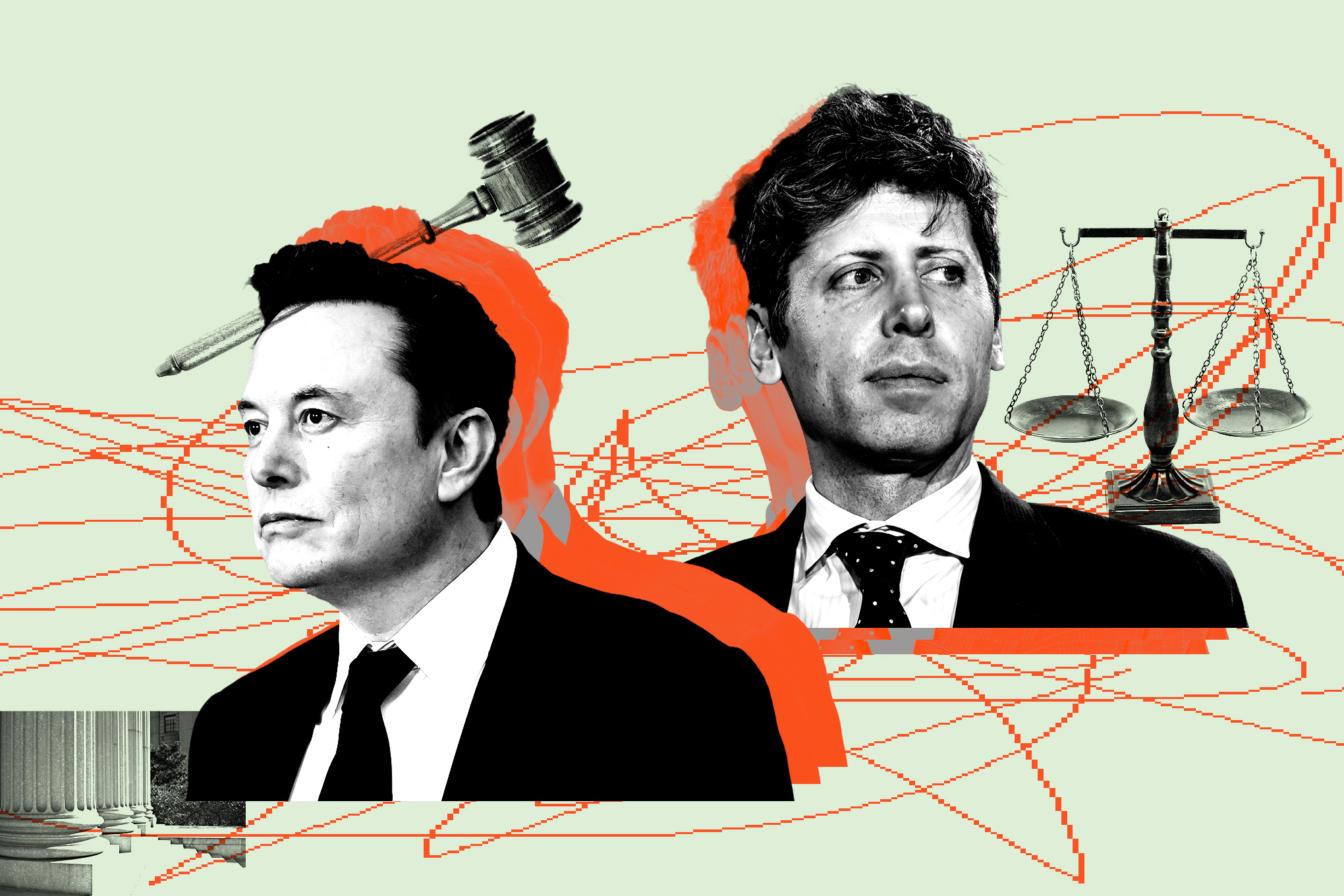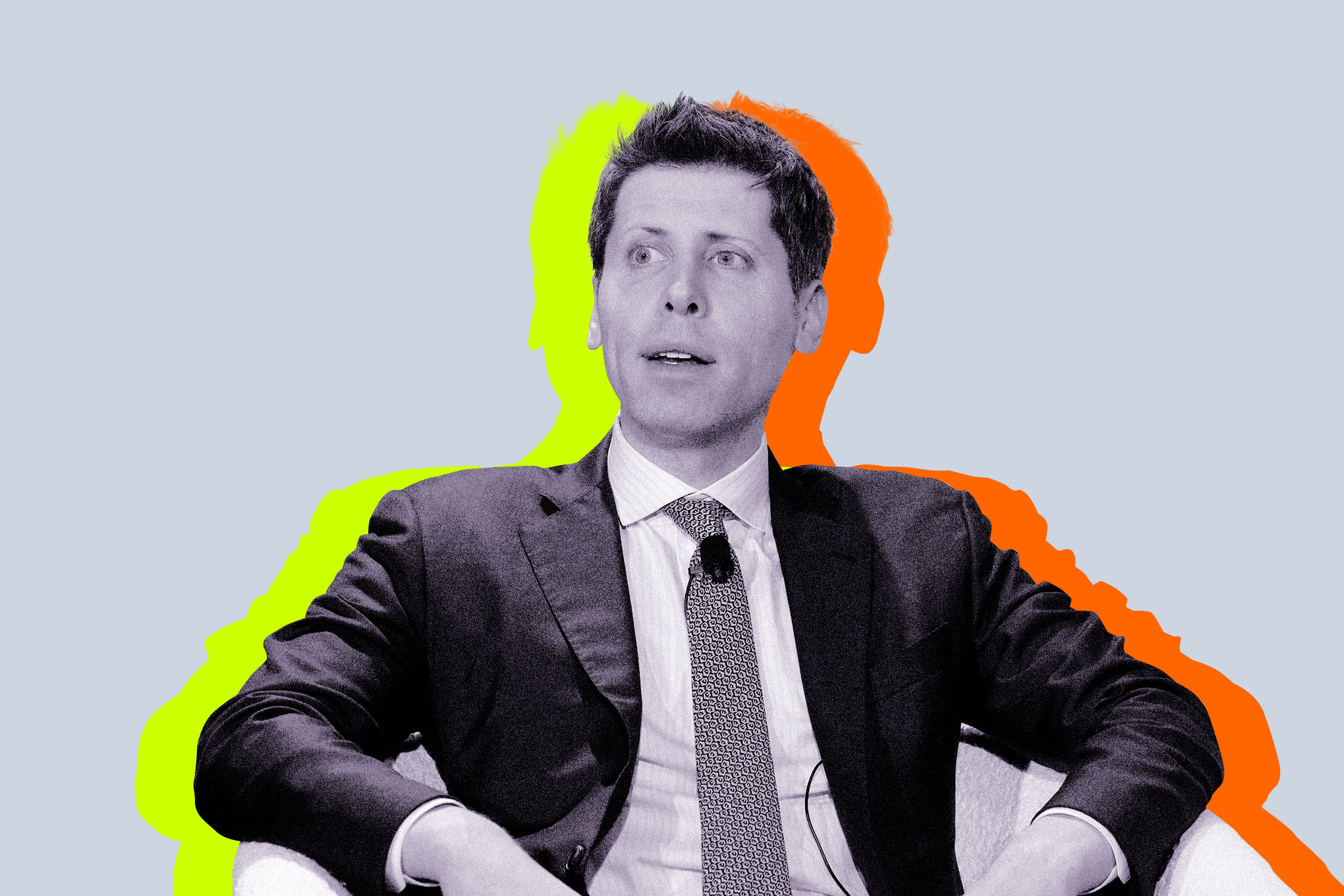
A curt order, a stark ranking, a brutal culling. This is the management legacy Sam Altman claims Elon Musk tried to embed within the nascent culture of OpenAI, an approach he now argues inflicted “huge damage” on the AI startup.
During his testimony in Musk’s ongoing lawsuit against the company he co-founded, Altman painted a picture of a research environment suffocated by a high-stakes, short-term performance culture. He described how Musk required key figures like Greg Brockman and Ilya Sutskever to rank researchers based on their accomplishments. The implication? That those who didn’t measure up faced swift, and by Altman’s account, arbitrary dismissal.
Is This Just Sour Grapes from Silicon Valley’s Elite?
Altman didn’t shy away from acknowledging Musk’s track record. “I don’t think Mr. Musk understood how to run a good research lab,” Altman testified, as reported by various outlets covering the trial. He contrasted Musk’s known management style with the fundamental needs of cutting-edge research: “For a research lab where people need, sort of, psychological safety and long periods of time to pursue an idea, this idea that you constantly have to show your results, and if they’re not good enough on a short period, you’re going to get fired. That really didn’t work for the kind of research we went on to successfully do.”
It’s a potent accusation, especially considering Musk’s history of driving innovation through intense pressure. Yet, Altman’s point about the distinct requirements of a research lab versus a product-focused engineering team is a valid one. The kind of foundational breakthroughs that fuel AGI research often emerge from unpredictable, sometimes slow-burning pursuits, not from quarterly performance reviews.
A ‘Morale Boost’ or a Tactical Shot Across the Bow?
Musk’s departure from OpenAI in 2018 was officially chalked up to a conflict of interest with his work at Tesla. But Altman’s testimony suggests a deeper, more cultural fissure. He explicitly stated that Musk’s exit was, in some ways, a “morale boost” for the remaining team. The staff, he implied, felt liberated from a mode of operation that was antithetical to their goals.
This narrative directly counters Musk’s central claim in his lawsuit: that OpenAI has abandoned its original mission and that he was misled regarding its funding and direction. Altman’s account positions Musk’s management style as the very reason OpenAI had to evolve away from his influence, thereby reinforcing its original mission rather than betraying it.
“I don’t think Mr. Musk understood how to run a good research lab,” Altman testified. “For a research lab where people need, sort of, psychological safety and long periods of time to pursue an idea, this idea that you constantly have to show your results, and if they’re not good enough on a short period, you’re going to get fired. That really didn’t work for the kind of research we went on to successfully do.”
The trial has already featured testimony from a who’s who of the AI world, including Greg Brockman, Shivon Zillis, Satya Nadella, and Mira Murati. Each deposition adds another layer to the complex, and increasingly acrimonious, history of the company that has come to dominate headlines in the AI space.
The stark contrast between Altman’s depiction of a nurturing, albeit sometimes slow, research environment and Musk’s alleged preference for a high-pressure, results-driven culture is the crux of this legal battle. It’s not just about money or mission; it’s about the very DNA of innovation.
Does This Proxy Battle Actually Matter for the Future of AI?
Fundamentally, this lawsuit is a proxy war for control and direction. Altman’s narrative seeks to legitimize OpenAI’s current trajectory by framing its divergence from Musk’s influence as a necessary step for scientific progress. It suggests that the very essence of building advanced AI requires a different kind of leadership than perhaps the titans of industry are accustomed to.
Here’s the thing: the success of OpenAI’s current model, built on a more flexible — and presumably, psychologically safer — research framework, has demonstrably paid off in terms of rapid advancements and market dominance. While the legal proceedings are often tedious, the core arguments about management philosophy and its impact on innovation are deeply relevant to any organization striving to push the boundaries of technology.
Altman’s strategy, in this instance, appears to be a calculated move to portray Musk not as a visionary betrayed, but as an incompatible force whose methods would have stifled the very progress he now claims to champion. It’s a narrative that leans heavily on the idea that the future of AI development hinges on fostering creativity and psychological safety, not on wielding the corporate chainsaw.
**
🧬 Related Insights
- Read more: AI Fuels Lawyer Boom: Jobs Surge as Tools Like Felix Level Up Legal Work
- Read more: Nigeria’s Cybercrimes Act: Rights Under Fire | Legal AI Beat
Frequently Asked Questions**
What was Elon Musk’s role at OpenAI?
Elon Musk was a co-founder of OpenAI in 2015 but departed in 2018. While he was involved in the early stages, his management style, characterized by intense performance pressure, is now being cited as detrimental to the company’s research culture.
What is Elon Musk suing OpenAI for?
Elon Musk is suing OpenAI, alleging that the company has abandoned its original mission to benefit humanity and that he was misled into providing funding. His lawsuit centers on claims of a breach of fiduciary duty and contract.
Did Elon Musk’s departure improve OpenAI’s morale?
According to OpenAI CEO Sam Altman’s testimony, Musk’s departure was a “morale boost” for the staff, as they felt they no longer had to work under his demanding management style, which Altman argued was unsuitable for a research environment.