How Are Deepfakes Regulated?
Deepfakes, AI-generated synthetic media, pose complex regulatory challenges due to their potential for misuse. Governments worldwide are developing multifaceted approaches to address their creation and dissemination.
The Federal Circuit just told the Patent Trial and Appeal Board (PTAB) they're doing their homework wrong, again. This time, it's all about 'inherency' in patent law, and Apple's lawyers are probably popping champagne.
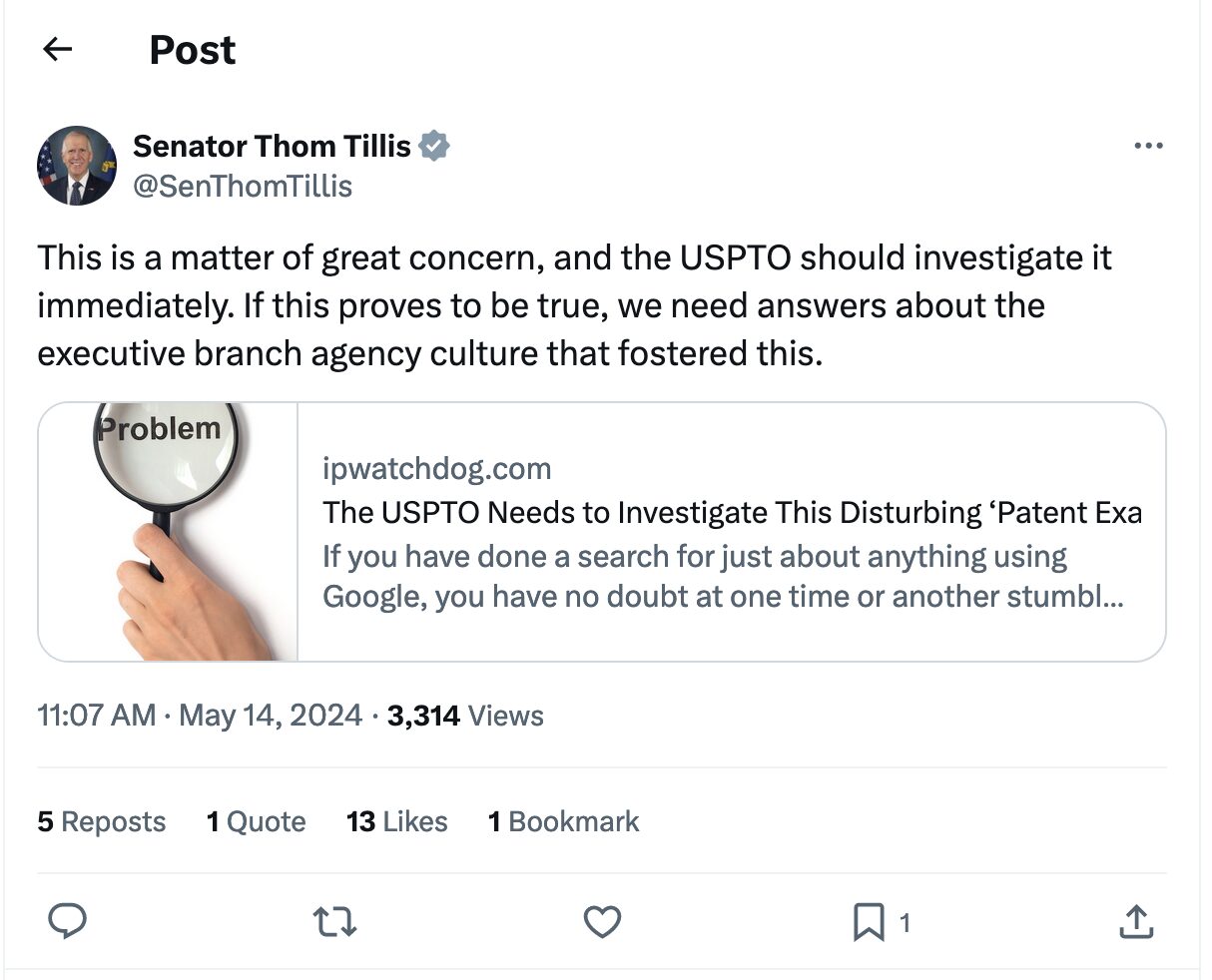
Silicon Valley's been buzzing about AI's potential to disrupt everything, but it turns out the real scandal might be old-fashioned human bias creeping into patent reviews. Now, Congress wants answers.
Inventors hit a wall: killer concept, zero prototype. But patent law doesn't demand you build it first. Here's how to lock in protection early—before engineers steal your thunder.
OpenAI's slipping in a $100 Pro plan for ChatGPT power users hooked on Codex. It's a direct jab at Claude—but after 20 years watching these pricing games, I'm not buying the 'more capacity per dollar' spin just yet.
Live in an apartment? Your hallway might not shield you from a nosy drug dog anymore. SCOTUS could decide if that's constitutional — or just another homeowner perk.
Picture this: You're staring at your fitness tracker's blood pressure log, tempted to paste it into Meta's shiny new AI. But what happens when Muse Spark crunches your vitals and dishes out health tips?
Clients, brace yourselves—Paul Weiss just crossed $4 billion in revenue, the only Manhattan Biglaw firm to do it. But does this boom from AI deals help anyone besides the partners?
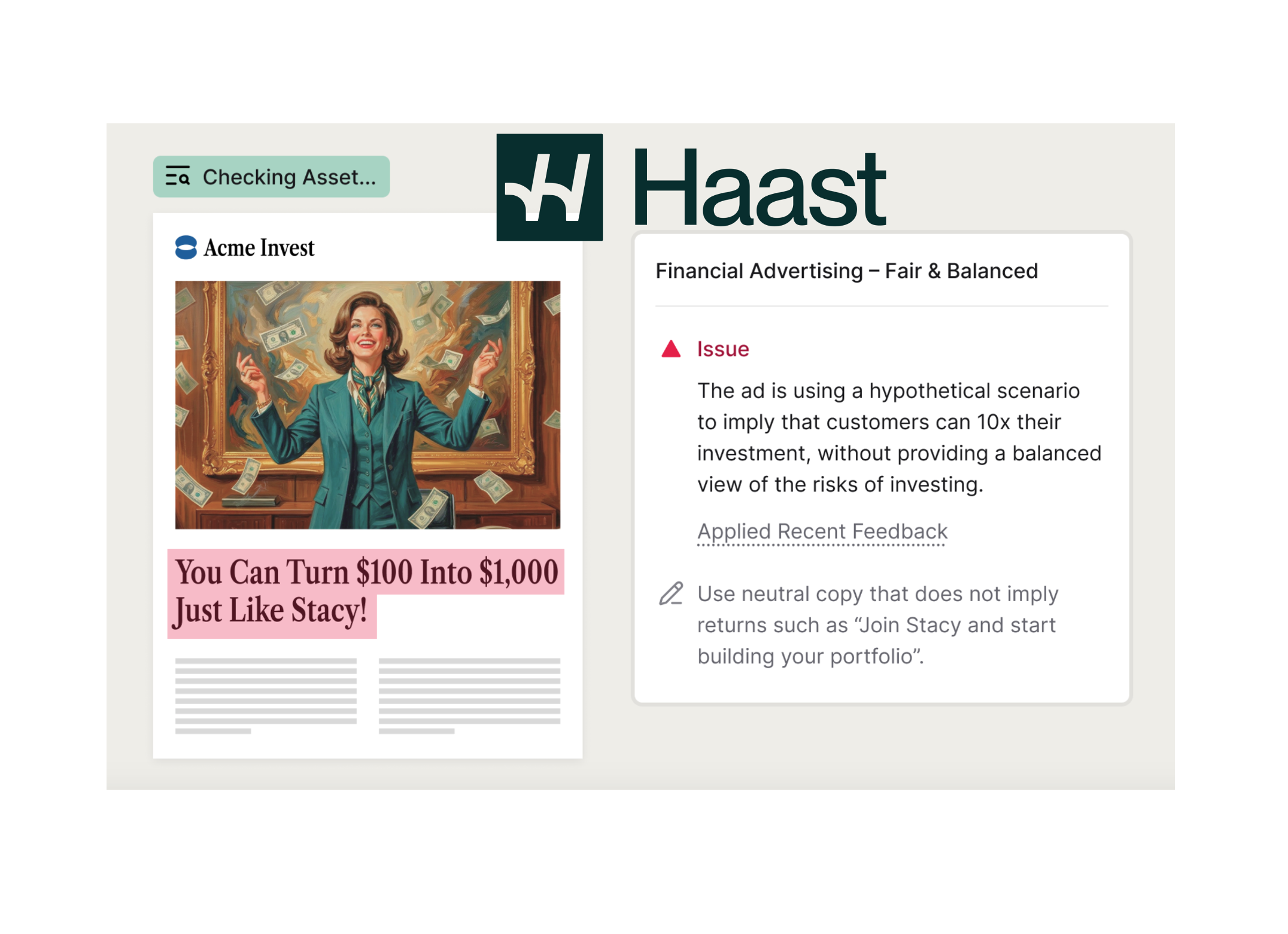
AI's churning out marketing content at zero cost — but it's mostly slop. Haast just raised $12M to ensure it doesn't land companies in legal hot water.
EFF's X posts? From 50-100 million impressions monthly in 2018 to a measly 2 million in 2024. That's an 98% nosedive—and they're done.
Picture this: your AI startup's facing a vague new federal reg. Will courts stick to the letter — or sneak in the lawmakers' real intent? A hidden shift is underway.
BigLaw expected more grunt workers for IP drudgery. Arnold & Porter just flipped the script with a firmwide boss hunt. Smells like trouble brewing.
The PTAB's rehearing in Ex Parte Baurin looked like a slam-dunk for Allergan's narrow ODP rules. Then professors dropped a brief torching that logic with dusty CAFC cases.
Anthropic just dropped Claude Managed Agents, claiming it's all you need for scalable AI agents. Here's why legal tech pros shouldn't panic – yet.
EFF's EFFector 38.7 nails it: surveillance tools pitched to stop monsters end up ticketing grandma. But who's pocketing the profits while privacy erodes?
Meta's yanked the plug on Mercor, a key AI data supplier, after hackers cracked their systems wide open. Proprietary datasets that power ChatGPT and Claude? Suddenly not so secret.
Anthropic's hot coding tool leaked its guts online. Hackers spiced it up with malware. Classic blunder.
Forget slow legal evolution. This week's docket explodes with AI showdowns: Musk suing over regs, lawyers busted for fake cases, judges clapping back at critics. The future's here, and it's messy.
Picture this: a partner fires off a 2 a.m. demand, and you jump. No more. AI's rewriting the legal playbook, handing back precious hours while steeling the profession against rule-of-law threats.
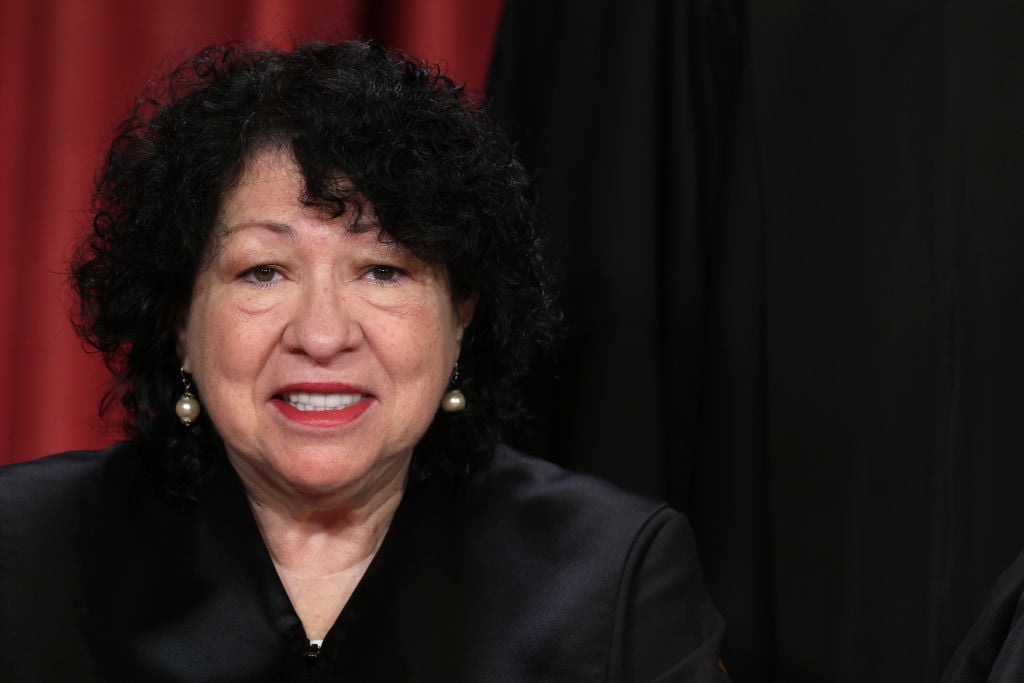
Justice Sonia Sotomayor just laid bare the Supreme Court's fractures — and it's a stark warning for AI's regulatory wars. Dissenting endlessly, she's not bridging divides.