派手な新AIモデルはひとまず忘れろ。最もインパクトのあるテックニュースが、1990年代の地味な法律にあるとしたら? まさにそれが、FacebookやX、TikTokの金ピカの檻にうんざりした人々を揺るがす地殻変動だ。オープンソーシャルウェブの約束——コミュニティがデジタルライフを真に所有する分散型エコシステム——は、Communications Decency Actのセクション230の存続にかかっている。
これは弁護士が儲かる話でも、テック巨人が抜け穴を求めるロビイングでもない。自由でオープンなインターネットの足場そのものだ。すでに遺物のように感じる概念である。オープンソーシャルウェブの設計者たち——MastodonやBluesky、あるいは相互運用プロトコルを基盤にした新興プロジェクト——は、初期インターネットの分散の魔法を再現している。君のソーシャルグラフ、データ、コネクションを所有させたい。中央の取締役会から解放された君の声だ。
ここが肝心だ。シリコンバレーの巨人は数百万ドルの訴訟を金力で吸収できるが、これらの新興コミュニティ、小規模ホスティング、独立アプリ開発者は、くだらない訴訟一つで潰される。セクション230がここで出てくる。悪質な輩の盾ではなく、分散型発言の必須潤滑油としてだ。
セクション230って結局何だ?
複雑じゃない。本質は、インターネットをパイプと接続の集合と見なし、それを使う人間が発言責任を負う、というもの。パイプを構築・維持する企業が責任を負うわけではない。有名な条文はこうだ:
“No provider or user of an interactive computer service shall be treated as the publisher or speaker of any information provided by another information content provider.”
電話会社に例えろ。差別的な電話や名誉毀損の通話をしても、電話会社は責任を負わない。お前が負う。セクション230はこの論理をオンラインの広大な会話に拡張した。オンラインコミュニティの成長を促し、多様な声が繁栄するよう、中間業者がコンテンツホストで訴えられ破産する恐怖から守るために書かれた。
違法コンテンツの無料パスじゃない。それがよくある誤解だ。セクション230は自社違法コンテンツの責任や知的財産請求からは守らない。それがするのは、毎日システムを流れる数十億のユーザー生成メッセージの責任から守ることだ。この保護でプラットフォームは自由にコンテンツをモデレートできるし、コミュニティ主導のモデレーションに委ねることもできる。訴訟で破産する恐怖なしに。
セクション230なしじゃオープンソーシャルウェブは終わりだ
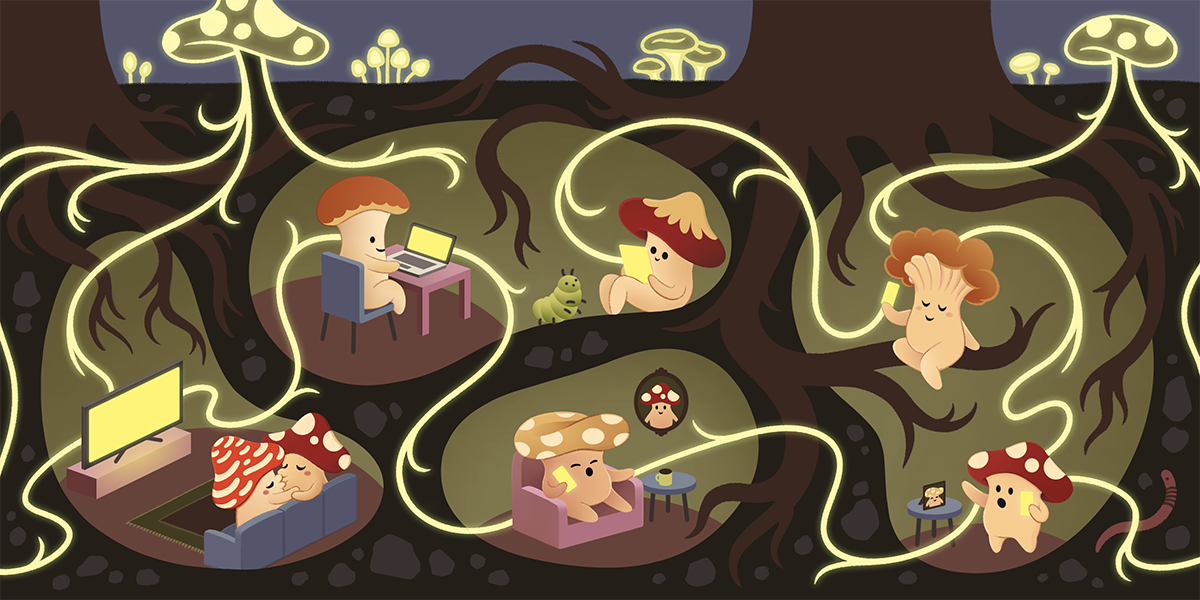
オープンソーシャルウェブの美しさは分散にある。単一の巨大プラットフォームじゃなく、数千、数百万の小規模サーバーが会話を分担する。この耐久性、単一障害点への抵抗が最大の強みだ。だがその分散が独特の弱点を生む。小規模サーバー運営者、コミュニティモデレーター、ユーザーを抱えるアプリ開発者——皆が「interactive computer service」になる。
セクション230なしでは、これら一人ひとり、小規模事業が標的だ。100ユーザーの小規模Mastodonインスタンスを想像しろ。一ユーザーが法的問題ある投稿をしたら、ボランティア運営者が訴えられる。たとえ根拠のない訴訟でも、防衛費用は破滅的だ。法廷費用だけで小コミュニティプロジェクトの年間予算を超える。これは仮定じゃない。セクション230不在の冷徹効果だ。
ここで俺の分析が主流ナラティブと分かれる。多くの人がセクション230解体をビッグテック処罰と見なす。だが真の受益者は逃れたい巨人の方だ。彼らは弁護士軍団と金満で法廷嵐をしのぐ。「小規模ホスト革命」——分散ウェブの真のイノベーションエンジン——が壊滅する。生き残るため中央集権的な苛烈モデレーションを強いられ、置き換えようとしたプラットフォームの鏡像になるという皮肉だ。
今まさに決定的岐路だ。オープンソーシャルウェブはより民主的で耐久的なインターネットを築く。だがその基盤は包囲されつつある。セクション230が倒れ、分散ホストの代替保護が出てこなければ、真にオープンなソーシャルウェブの約束は美しいけど手が届かない夢で終わる。壁園だけが残り、法的環境が小参加者を極端な慎重に追い込む、より制限的なものすら。最も重要なインフラは、築くものじゃなく守るものだという stark な reminder だ。
🧬 Related Insights
- Read more: Trump Eyes Iran’s Power Plants for Strikes: Legal Idiocy or Smart Strategy?
- Read more: Bounty UK’s £400K Wake-Up Call: Data Sharing Done Dirty
Frequently Asked Questions
What does Section 230 actually protect?
Section 230 protects online intermediaries (like websites, forums, and social media platforms) from being held legally responsible for the content posted by their users. It treats them as distributors, not publishers, of third-party content.
Will repealing Section 230 help users control their data?
While often framed as a consumer protection issue, repealing Section 230 is unlikely to directly improve user data control. Instead, it would likely lead to more stringent content moderation and potentially less open platforms, which could indirectly affect how data is handled but not in a way that prioritizes user privacy.
Is Section 230 outdated given today’s internet?
Arguments for and against Section 230 often debate its relevance. Proponents argue it’s vital for free speech and innovation in online services. Critics contend it shields platforms from responsibility for harmful content and disinformation, suggesting it’s time for an update that balances these concerns.