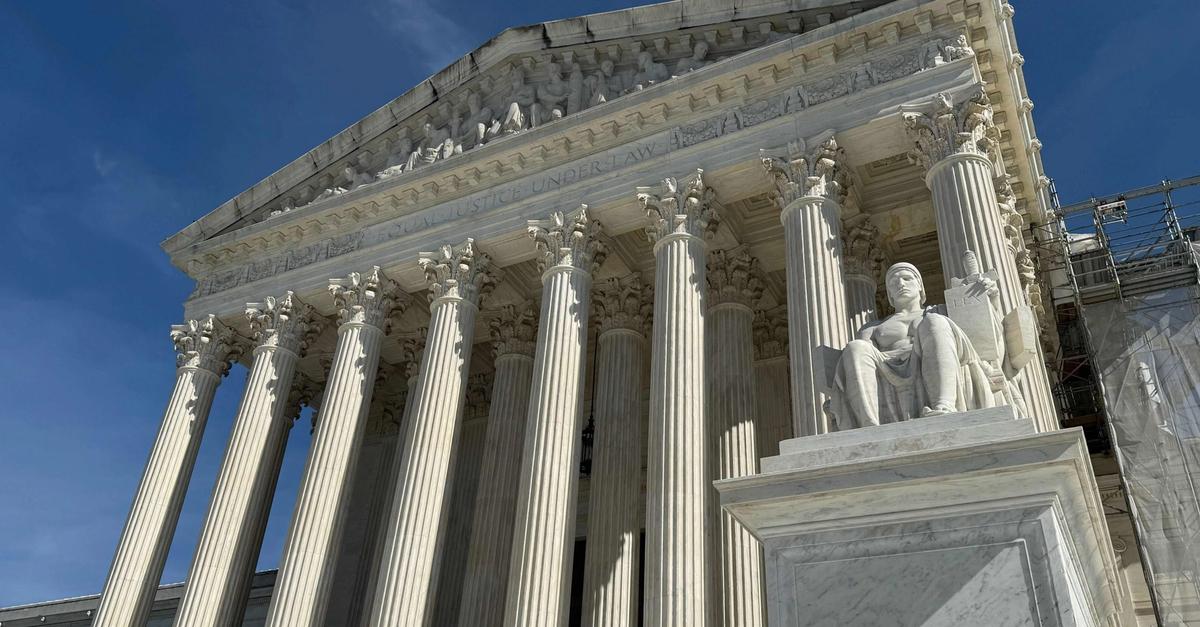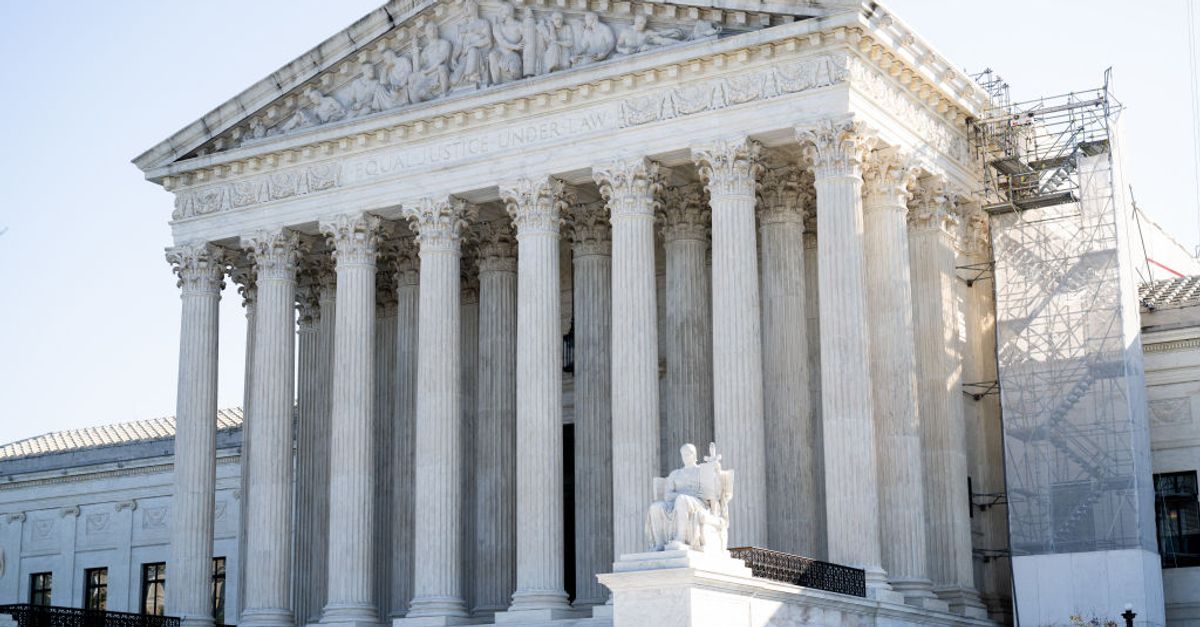
So, the abortion pill merry-go-round keeps spinning, and guess who’s hopping back on board? That’s right, the Supreme Court. This whole saga with mifepristone, the drug used in a whopping 60% of abortions nationwide, just won’t quit. Now, two companies, Danco Laboratories and GenBioPro, are practically begging the justices to slap a pause button on a ruling from the 5th Circuit Court of Appeals. This particular ruling, from a lawsuit brought by Louisiana, basically says you gotta pop in to see a doctor to get the pill. Unprecedented, they cry. Utter chaos, they whine. And frankly, who can blame them when you’re talking about “highly time-sensitive medical decisions”?
This whole mess feels like a tired rerun, doesn’t it? Remember nearly two years ago? The Supremes punted, saying doctors and medical groups opposed to abortion simply didn’t have the legal right – the so-called “standing” – to challenge the FDA’s earlier moves to make mifepristone more accessible. A neat little sidestep.
Then, in 2024, the FDA v. Alliance for Hippocratic Medicine case popped up. This time, it was a gaggle of individual doctors with religious or moral objections, alongside medical groups sharing their discomfort. Their goal? To nuke the FDA’s initial approval of mifepristone back in 2000, plus its subsequent expansions in 2016 and 2021. Their argument? The drug’s a deathtrap, and the FDA bungled the whole approval process.
The FDA and its allies, predictably, fired back with mountains of evidence. Mifepristone is safe and effective, they declared. But U.S. District Judge Matthew Kacsmaryk, bless his heart, decided to suspend the FDA’s approval altogether, along with those later tweaks that allowed for its use up to the 10th week of pregnancy, prescriptions by non-physicians, and, crucially, mail-order dispensing without an in-person visit.
Cue the appeal. The FDA and Danco, manufacturer of the drug, marched their case over to the 5th Circuit. And, surprise, surprise, that court upheld Kacsmaryk’s decision to roll back the expanded access. The Supreme Court, in April 2023, offered a temporary reprieve, a lifeline ensuring the drug remained available. Then, in June 2024, they reversed the 5th Circuit’s ruling, sending it all back down the legal food chain. Justice Kavanaugh, in his opinion, acknowledged the “sincere legal, moral, ideological, and policy objections” of the challengers. But ultimately, he said, they hadn’t proven any actual harm, which, under the Constitution, is pretty essential for federal court cases.
Here’s where it gets even more convoluted. October 2025. Louisiana decides to file its own lawsuit, this time specifically aiming to reinstate that in-person dispensing requirement. Their argument? They’ve got “incontrovertible evidence” that, thanks to the Biden administration’s supposed intentions, mifepristone is being mailed into Louisiana by the boatload, directly facilitating abortions and flouting state law. They claim this conduct “directly violates Louisiana’s abortion laws” and prevents the state from protecting unborn lives, all despite the promise of Dobbs. They even cited “medical emergencies” and ER visits that cost the state money. Pure optics, if you ask me, but hey, it’s a legal strategy.
One individual plaintiff, Rosalie Markezich, chimed in with a story about being “coerced” into taking abortion drugs obtained by her boyfriend via mail. If only that in-person dispensing rule had been in place, she lamented, she would have had the “protection of a private in-person medical appointment.” It sounds less like a story of coercion and more like a convenient narrative to bolster their case.
After some federal judge hit the pause button while the FDA did its own safety review—because heaven forbid the FDA actually do its job without a legal ultimatum—Louisiana raced back to the 5th Circuit. They wanted that in-person dispensing requirement back now, while the litigation slogged on. The appeals court agreed, stating Louisiana had standing because the FDA, by allowing telehealth and mail delivery, had effectively “opened the door for mifepristone to be remotely prescribed to Louisiana women,” even though the state generally bars abortion.
Now, the drug companies are back in front of SCOTUS, filing an emergency application. Their plea? Louisiana, like the doctors and medical groups before them, isn’t actually required to do anything—prescribe, use, or refrain from doing anything—as a result of the FDA’s policies. It’s a bit of a circular argument, isn’t it? If the state doesn’t have to do anything, how can it claim it’s being harmed by the FDA’s actions? This whole dance is less about patient safety and more about weaponizing the courts to achieve political ends. And who is actually profiting? Not the patients, and certainly not the doctors caught in the crossfire. It’s the lawyers, the activists, and the political factions that benefit from this perpetual state of legal uncertainty.
Who Actually Has Standing Here?
This is the million-dollar question, isn’t it? The Supreme Court has twice—first in 2022 and then again in June 2024—told various groups that they haven’t demonstrated sufficient “standing” to sue the FDA over mifepristone. Standing, in legal terms, means you have to show a direct, concrete injury that the court can fix. Doctors who object to abortion, or states that ban it, claim harm because the FDA’s regulations allow people to get mifepristone, which then leads to abortions that conflict with their beliefs or laws. The courts, however, have largely found these indirect harms insufficient. Louisiana’s argument hinges on the idea that the mailing of mifepristone violates its state laws and causes direct harm (like medical emergencies and ER visits), thereby giving it standing. It’s a creative legal maneuver, but one that clearly skirts the edges of what courts typically accept as direct injury.
The challengers could not contest those changes, he said, because they had not shown that they would be harmed by the FDA’s mifepristone policies; under the Constitution, these kinds of objections are not enough to bring a case in federal court.
Is This Just About Mifepristone, or Something Bigger?
Let’s be blunt: this isn’t just about one pill. This is about chipping away at federal regulatory authority, particularly the FDA’s power to approve and regulate drugs. If courts can be compelled to second-guess FDA decisions based on the abstract objections of individuals or states that aren’t even users of the drug, then the entire regulatory framework for pharmaceuticals, and potentially many other federal agencies, is up for grabs. It’s a dangerous precedent. The companies are arguing that the 5th Circuit’s ruling creates “immediate confusion and upheaval into highly time-sensitive medical decisions.” That’s a polite way of saying it’s a mess. A mess that benefits no one except those who thrive on perpetual legal battles and political posturing.
What Does This Mean for Access to Abortion Pills?
For now, thanks to the Supreme Court’s intervention in June 2024 and the emergency application filed by the manufacturers, access to mifepristone remains largely unchanged. The immediate threat of an in-person dispensing requirement being reinstated nationwide is on hold. However, the legal challenges are far from over. The case sent back down by SCOTUS will continue through the lower courts, and Louisiana’s separate lawsuit adds another layer of complexity. The ongoing litigation means that the status of mifepristone access will remain a constant source of legal uncertainty, creating a chilling effect on providers and patients alike, and ensuring that the debate, and the potential disruption, continues. It’s a waiting game, but one where the stakes are incredibly high for reproductive healthcare in America.
🧬 Related Insights
- Read more: EU AI Office Seeks Top AI Scientist: A Deep Dive
- Read more: OpenAI’s $122B Cash Grab: Retail FOMO Before the IPO Circus
Frequently Asked Questions
What does mifepristone do? Mifepristone is a medication used in medication abortions, often in combination with another drug called misoprostol. It works by blocking the hormone progesterone, which is necessary for a pregnancy to continue.
Will this Supreme Court case impact my ability to get mifepristone? For now, access remains largely unchanged due to previous Supreme Court rulings. However, the ongoing legal challenges mean the situation could evolve, creating uncertainty for patients and providers.
Who decides if mifepristone is safe? The U.S. Food and Drug Administration (FDA) is responsible for approving and regulating medications, including mifepristone, based on scientific evidence of safety and efficacy. Legal challenges aim to override these FDA decisions.