A single moment—the quiet rustle of papers, a judge’s measured tone—can redraw the legal map for global justice.
That moment arrived Tuesday at the Supreme Court, where justices seemed prepared to further restrict the capacity of U.S. courts to hear cases involving alleged violations of international law. This isn’t a subtle shift; it’s a potential redirection, one that could significantly hamper accountability for actions with transnational reach.
The court’s inclination, based on oral arguments in a case concerning alleged torture and mistreatment, points toward a narrower interpretation of jurisdiction, particularly for claims brought under the Alien Tort Statute (ATS). For decades, the ATS has served as a critical, albeit sometimes contentious, avenue for individuals to seek redress in the U.S. for serious international human rights abuses committed abroad.
But here’s the thing: the legal landscape surrounding corporate liability and international law has been a minefield for years. Plaintiffs have consistently faced uphill battles, and the judiciary, from lower courts to the highest bench, has shown a growing reluctance to expand the scope of these claims. This latest development feels less like a surprise and more like the inevitable conclusion of a long-simmering judicial skepticism.
What does this mean practically? Imagine a foreign corporation engaging in widespread environmental destruction that impacts communities across borders. Previously, a U.S. court might have been a viable venue to pursue justice, especially if the company had significant ties to the United States. Now, that pathway appears far more precarious.
Why Are U.S. Courts Backing Away?
The rationale, as often articulated by conservative jurists, centers on principles of international comity and prescriptive jurisdiction. The argument is that U.S. courts shouldn’t overreach and dictate legal standards to other nations, nor should they be the primary forum for disputes that primarily occur elsewhere. It’s a delicate balance between enforcing universal human rights and respecting national sovereignty. However, when allegations involve actions so egregious they shock the conscience globally, this rationale can feel like an abdication of responsibility.
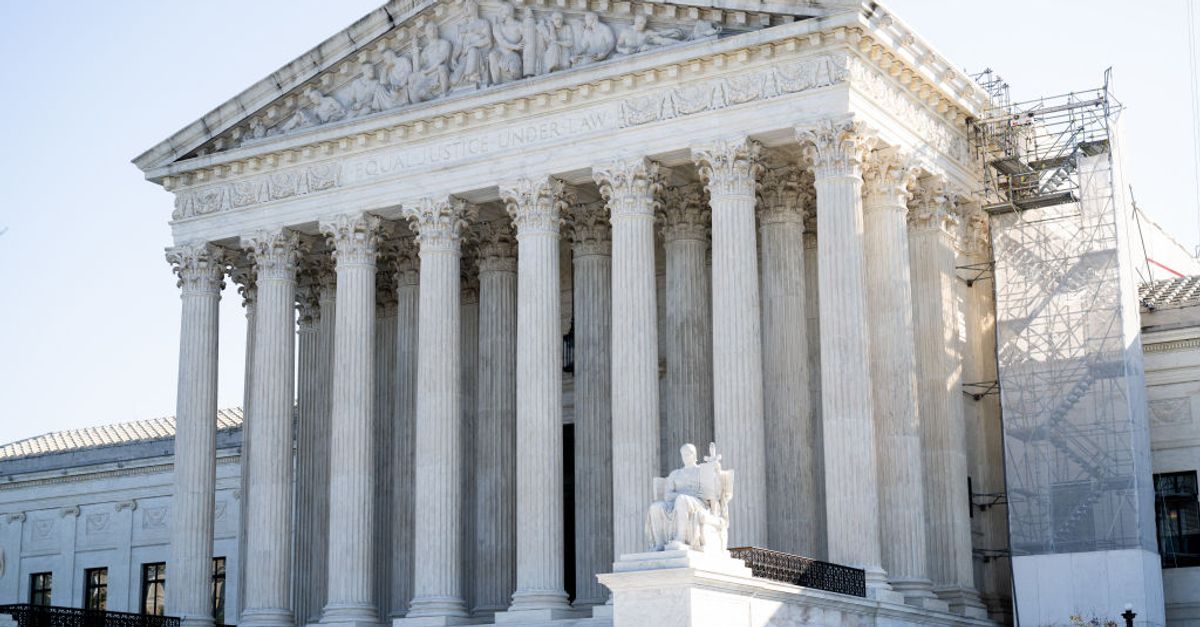
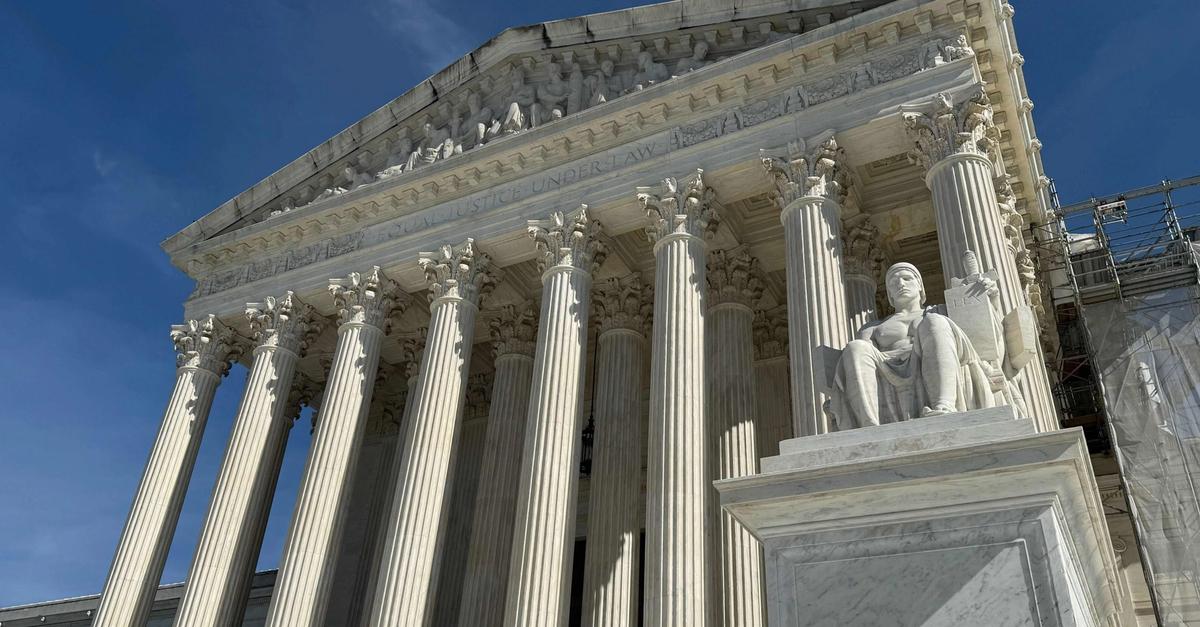
The Supreme Court on Tuesday appeared poised to further narrow the extent to which U.S. courts can be used as a forum to consider alleged violations of international law.
This judicial posture is not entirely new. Justice Kavanaugh, during his time on the D.C. Circuit, was often at the forefront of limiting the scope of the ATS. His questioning on Tuesday reinforced this consistent judicial inclination. When you see a pattern emerge across different judicial assignments and over several years, it’s not an outlier; it’s a policy direction.
The market implications are straightforward: for entities operating internationally, particularly those in sectors with a high potential for human rights or environmental impact, this creates a layer of reduced legal risk within U.S. jurisdictions. It effectively means fewer opportunities for plaintiffs to find a receptive and capable judicial system when pursuing claims against foreign actors operating abroad. This could, in turn, encourage riskier behavior, knowing that the threat of U.S. litigation has diminished.
Is This the End of International Law Claims in the U.S.?
Not entirely, but it’s a significant constriction. While the ATS is a primary battleground, other statutes and common law principles might still offer avenues. However, the broader message from the Supreme Court is clear: U.S. courts are to be a venue of last resort, if a resort at all, for these types of complex, extraterritorial legal challenges.
The pushback from human rights advocates is predictable and, frankly, warranted. When accountability mechanisms abroad are weak or non-existent, U.S. courts have historically offered a vital, albeit imperfect, lifeline. This decision, if it follows the indicated path, risks leaving victims of severe international abuses without a meaningful forum for justice.
This is more than just a legal technicality; it’s about the practical enforcement of fundamental human rights and the role of the United States in upholding a global rules-based order. The court’s move signals a preference for national borders and domestic concerns over the universal application of human rights law when it comes to judicial remedies. It’s a clear sign that the era of broad extraterritorial application of U.S. law for international wrongs is decidedly winding down. The question now is not whether the door is closing, but how tightly.
🧬 Related Insights
- Read more: Jury Poised to Crack Ticketmaster’s Iron Grip
- Read more: Trump’s Birthright Citizenship Gambit Grills Under SCOTUS Fire
Frequently Asked Questions
What does the Supreme Court’s decision mean for the Alien Tort Statute?
The Supreme Court’s apparent inclination suggests a significant narrowing of the Alien Tort Statute’s reach, making it harder for plaintiffs to bring claims for international law violations in U.S. courts.
Will this impact corporate liability for human rights abuses abroad?
Yes, it’s likely to reduce the risk of U.S.-based litigation for corporations accused of human rights abuses committed outside the United States, potentially weakening accountability mechanisms.
Are there still ways to sue for international law violations in the U.S. after this?
While the avenues are likely to be more restricted, other statutes and legal doctrines may still offer some recourse, but the overall landscape for such claims in U.S. courts is expected to become much more challenging.